17 Gorgeous Flowers That Will Attract Hummingbirds to Your Garden
There's something about watching hummingbirds flit about that always puts smiles on our faces, and there's a good reason that many cultures associate them with good luck. Hummingbirds visit when sweet-smelling flowers are abundant and plentiful, and their rapidly beating wings and quick, zippy movement mean they can disappear again at any moment.
While some people place bright feeders full of sugar water near their homes to attract hummingbirds, if you have a garden, their favorite flowers are a better option for getting them to frequently stop by. Below, we have a list of inviting flowers that look lovely and make excellent pit stops for humming birds.
Bee Balm
Varieties of bee balm grow all over North American and are recognizable for their spiky pink, purple or red petals. You'll often find them in large meadows as well as gardens, and while they get their name for attracting bees, hummingbirds are also big fans.
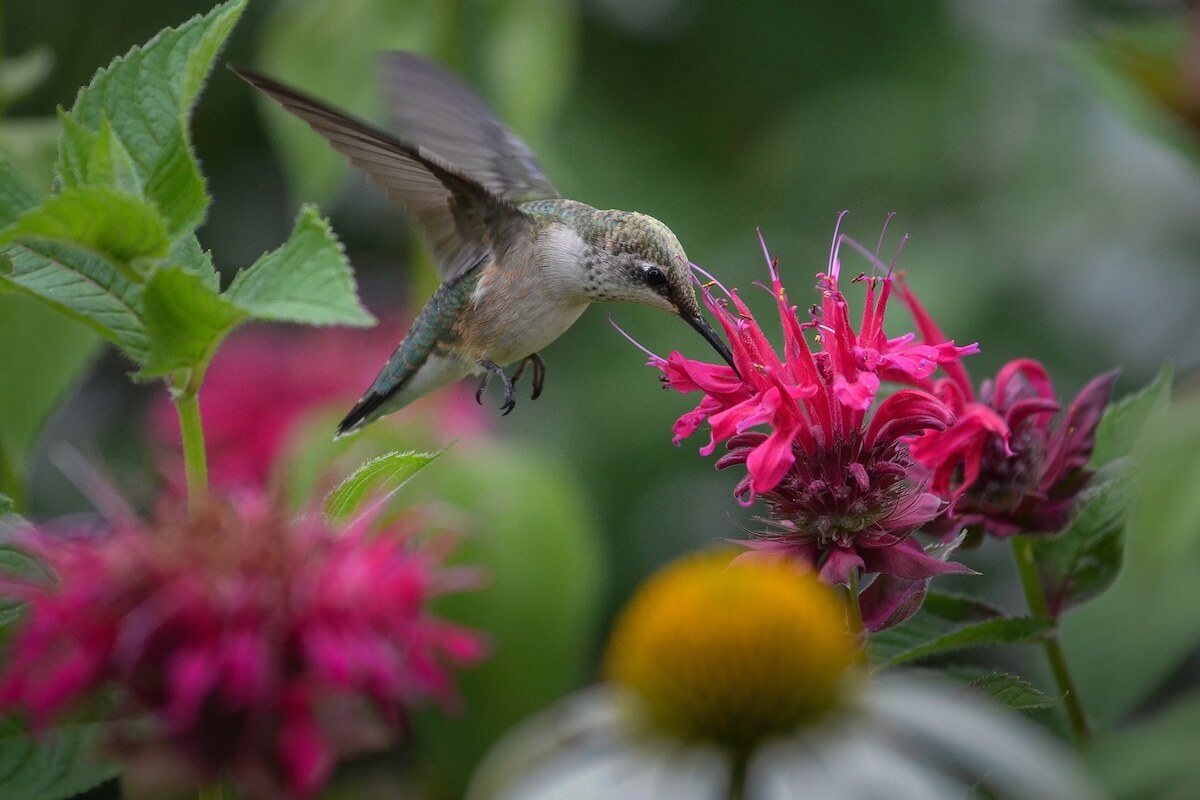
(via Shutterstock)
Bleeding Heart
Bleeding heart is another plant that flourishes all over the United States, though this vined woodland plant prefers partial shade. Its flowers look like dangling hearts, most often coming in red and pink hues appropriate for Valentine's Day, and seem almost tailor-made for hummingbirds to come and sip their sweet nectar.
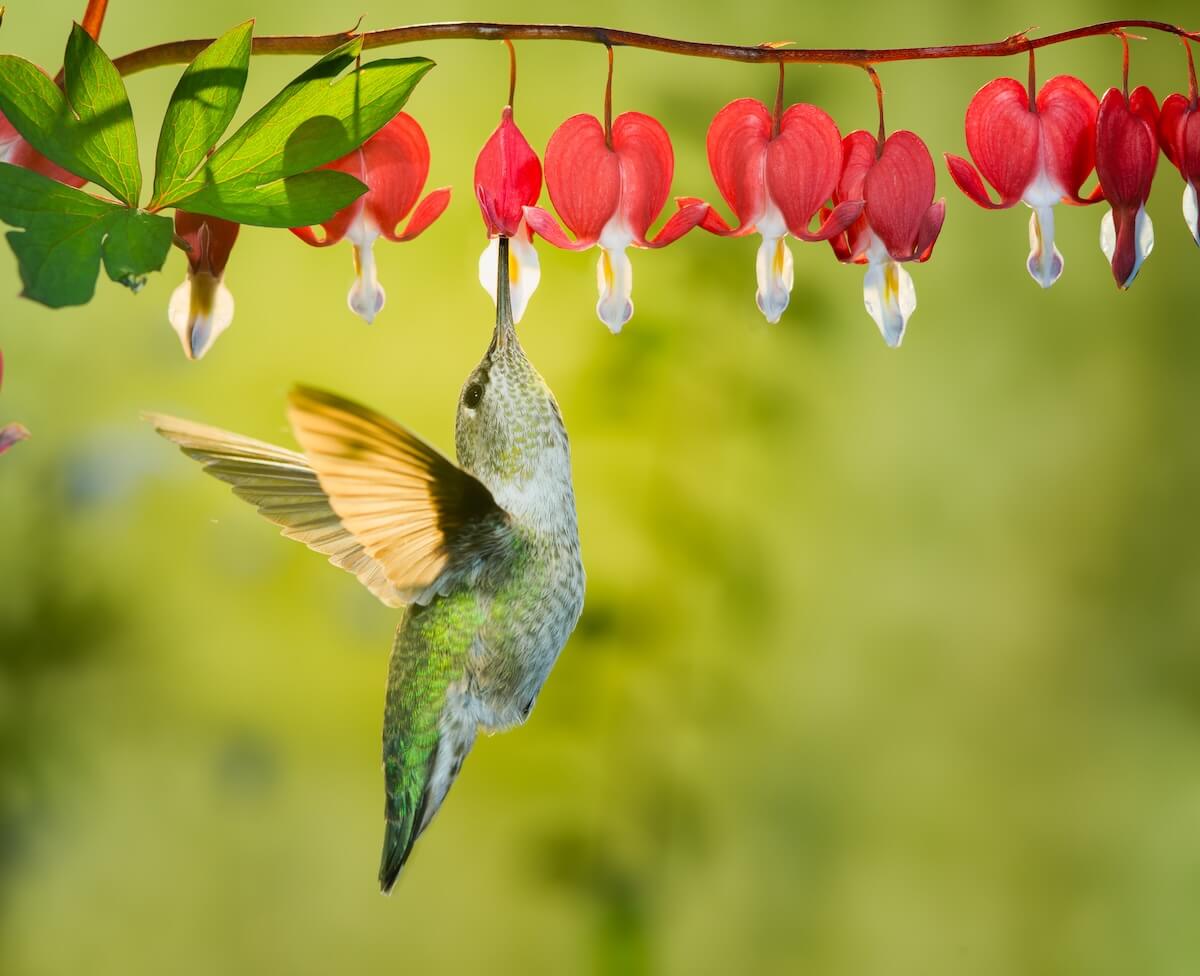
(via Shutterstock)
Butterfly Bush
Butterfly bush is recognizable for its masses of tiny clusters of flowers in pink, purple or blue, and it can grow anywhere in the U.S. that gets plenty of direct sun and not too much frigid cold. Once established, it spreads quite easily, to the point it's nearly invasive, but as the name suggests, its a favorite of butterflies as well as hummingbirds.
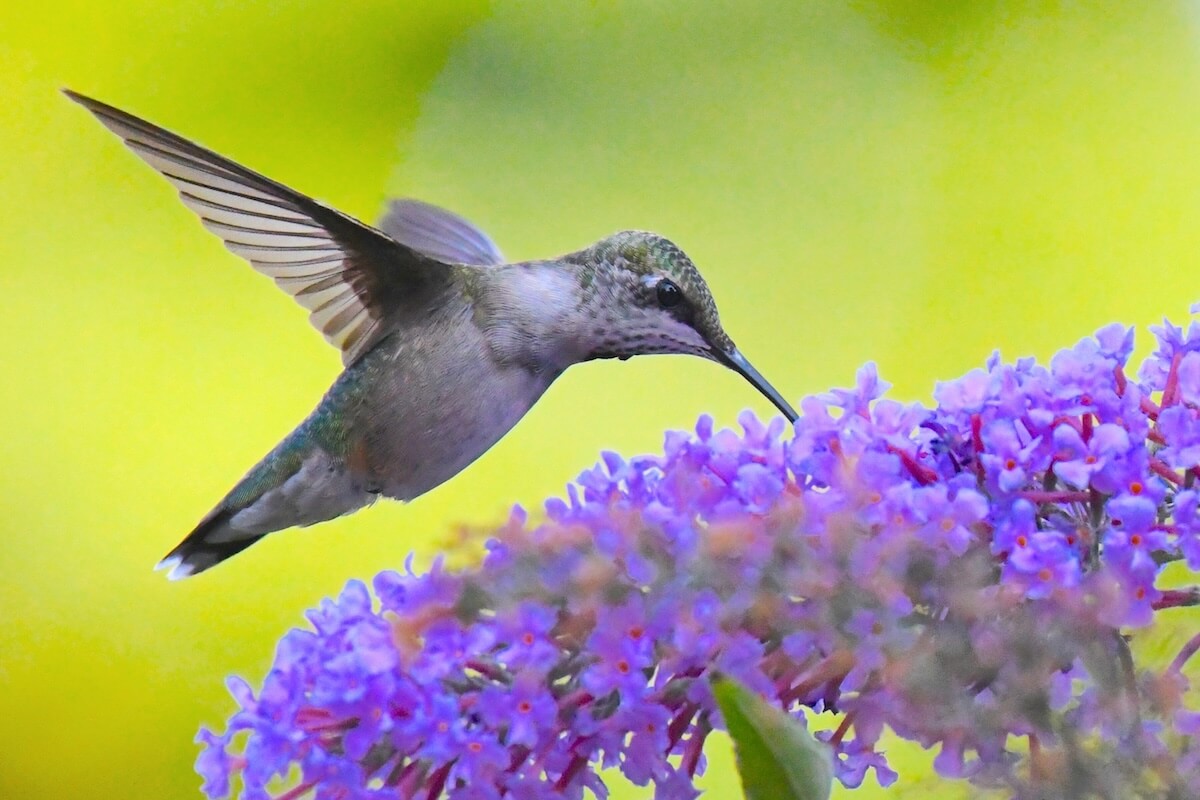
(via Shutterstock)
Cardinal Flower
Cardinal flowers get their name from their vivacious shade of red, though these trumpet-shaped flowers can also come in white or pink. They're also known for being quite hardy and can thrive in most areas of the U.S., with their color being especially attractive to hummingbirds. Just watch out, especially if you have pets or young kids around, because while the nectar of these flowers is delicious to hummingbirds and butterflies, the flowers themselves are toxic to many other animals.
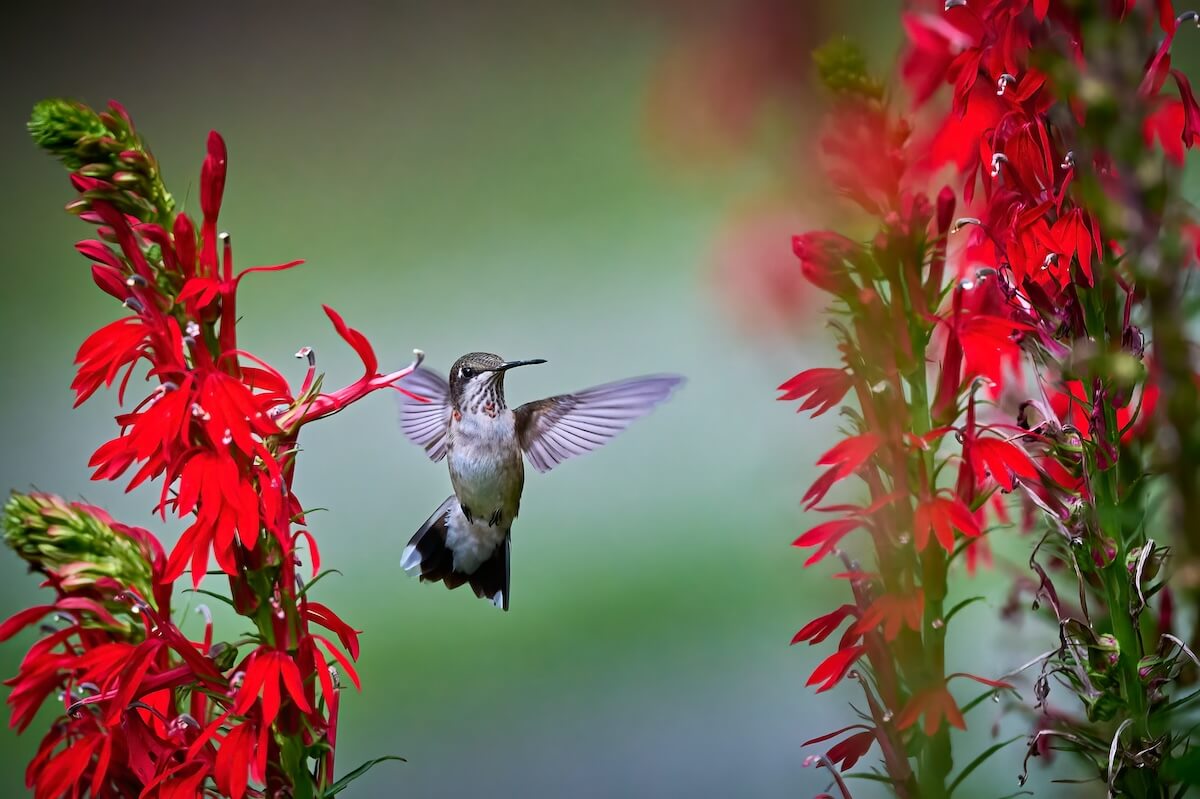
(via Shutterstock)
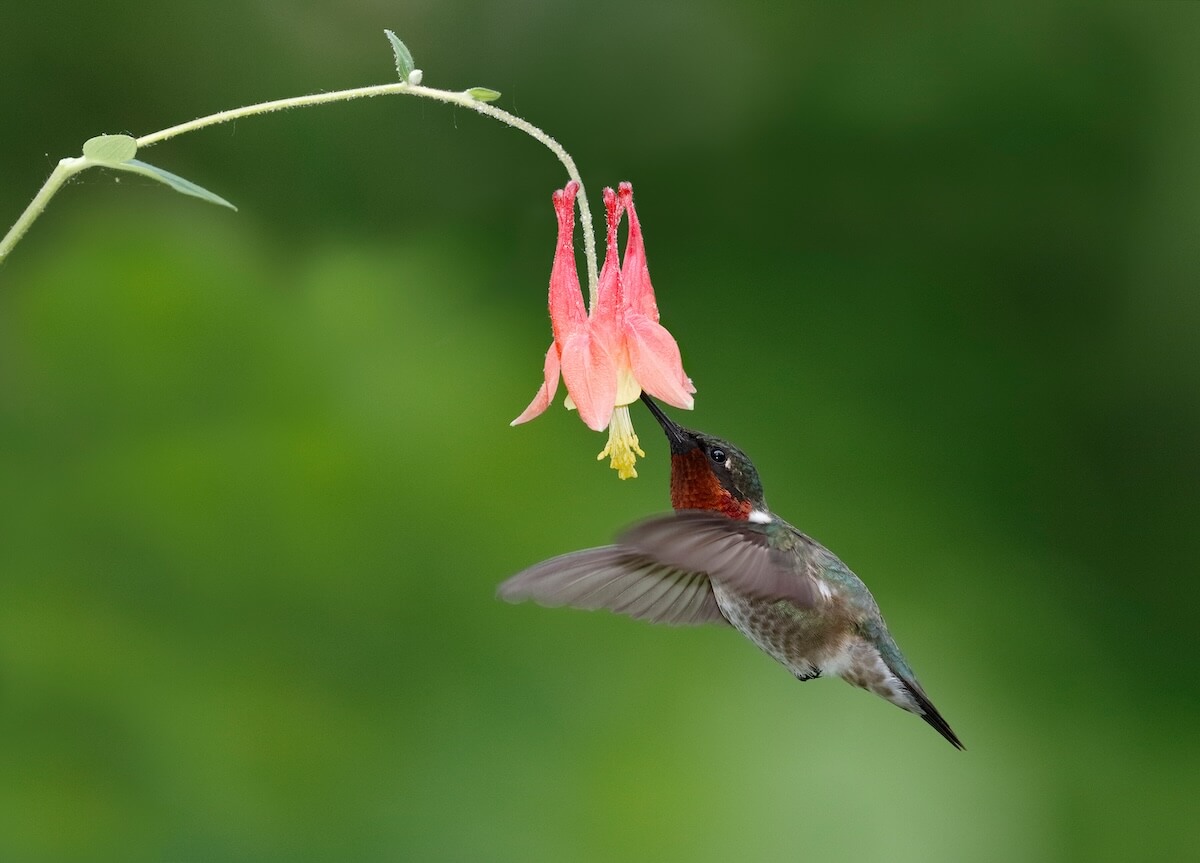
Columbine Flower
Columbine flowers are beloved for their rare coloration, often pairing rounded white petals in the center with surrounding petals in bold colors, from yellow to pink, red to purple, blue and more. While they won't grow where it's extremely hot and dry or extremely cold and wet, they can handle most weather. Though they primarily flower between spring and summer, they're sure to attract plenty of hummingbirds during this time.
(via Shutterstock)
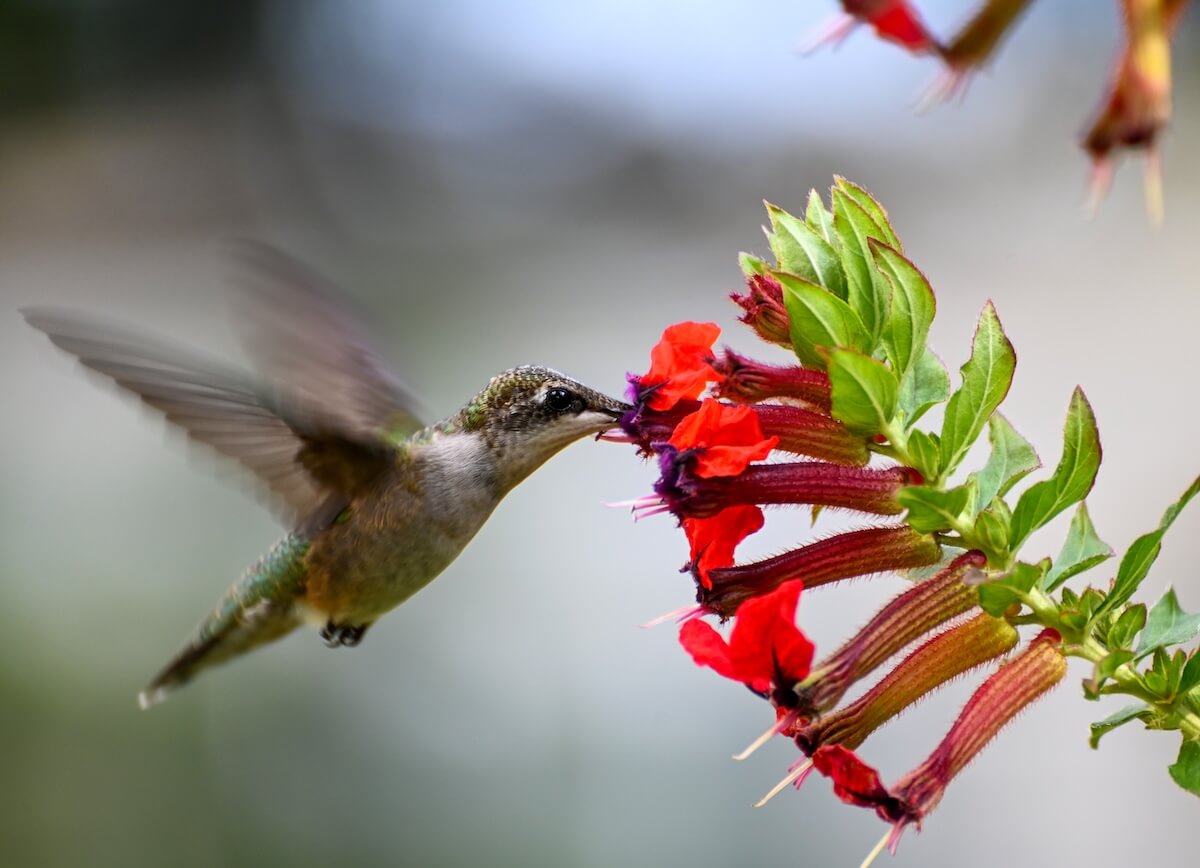
Cuphea
If you live where it's particularly warm most of the year, you'll probably want to try growing cuphea in your garden. These cylindrical flowers thrive in the hear, coming in shades of orange, red, purple and pink, with a long tube shape especially suited for the butterflies and hummingbirds equipped to drink their nectar.
(via Shutterstock)
Also read about: These Lovely Quotes Make Perfect Captions for All Your Bird Pics on Instagram
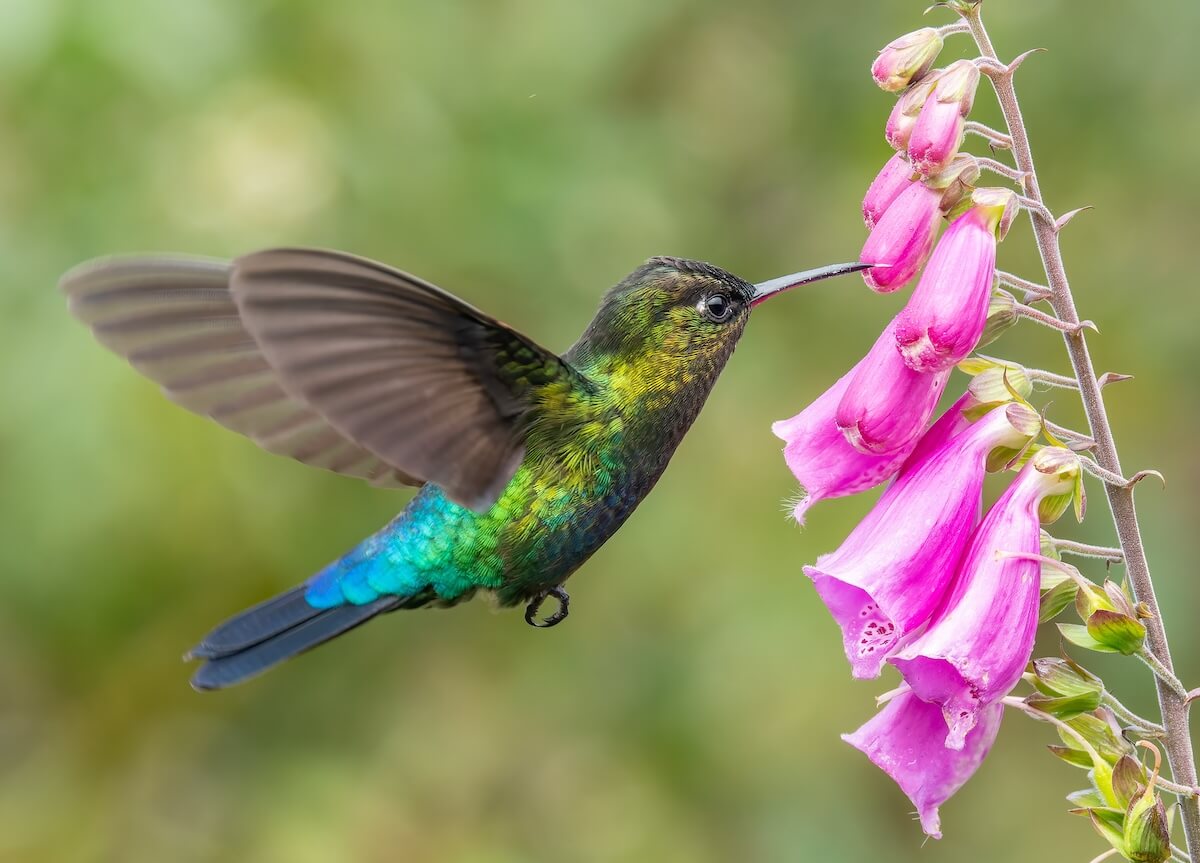
Foxglove
Foxgloves are another beautiful flower that's primarily toxic, but which offers its nectar to long-beaked hummingbirds or bees who can climb right inside to claim it. It can live pretty much anywhere, with elegant tubular flowers in pink, purple and white.
(via Shutterstock)
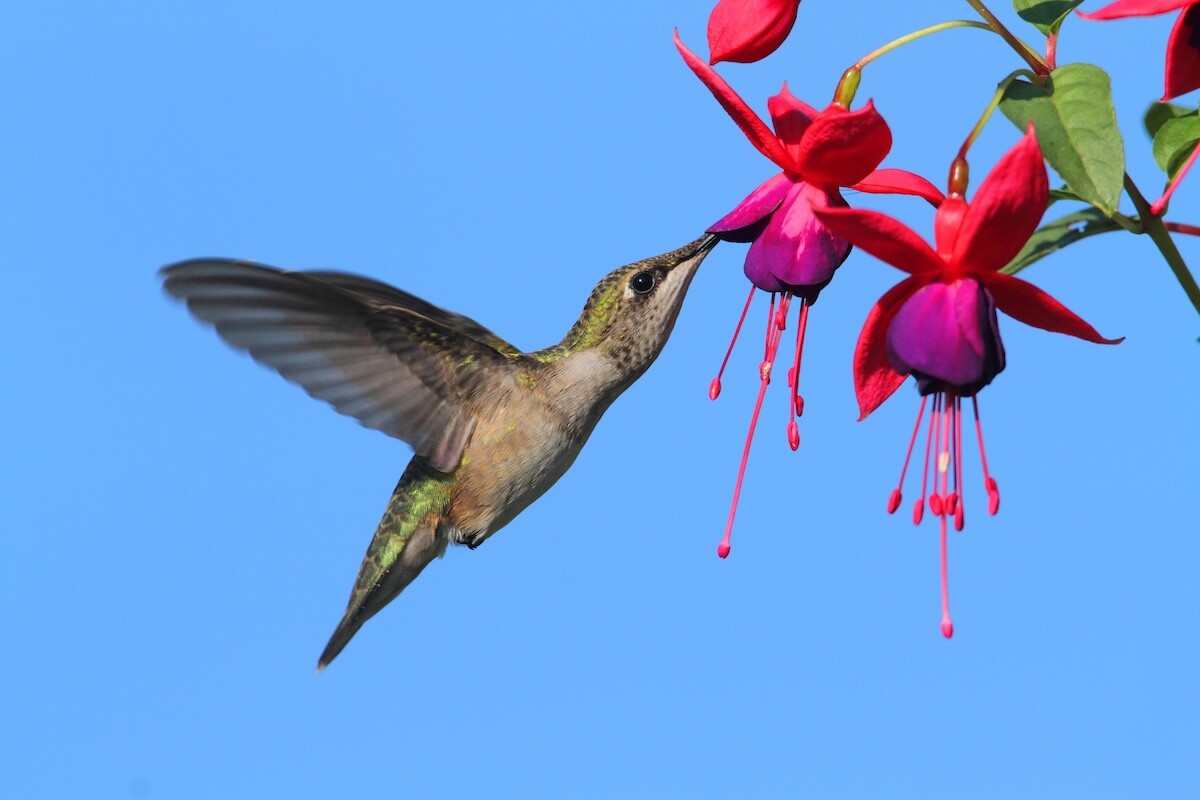
Fuschia
Fuschia flowers are instantly recognizable for their exciting gradient of colors and the dramatic shapes of their petals, styles and stigmas, and human beings definitely aren't the only ones attracted to them. They're also a favorite of hummingbirds, and while many varieties thrive best where it's always warm, others may live in colder regions as well.
(via Shutterstock)
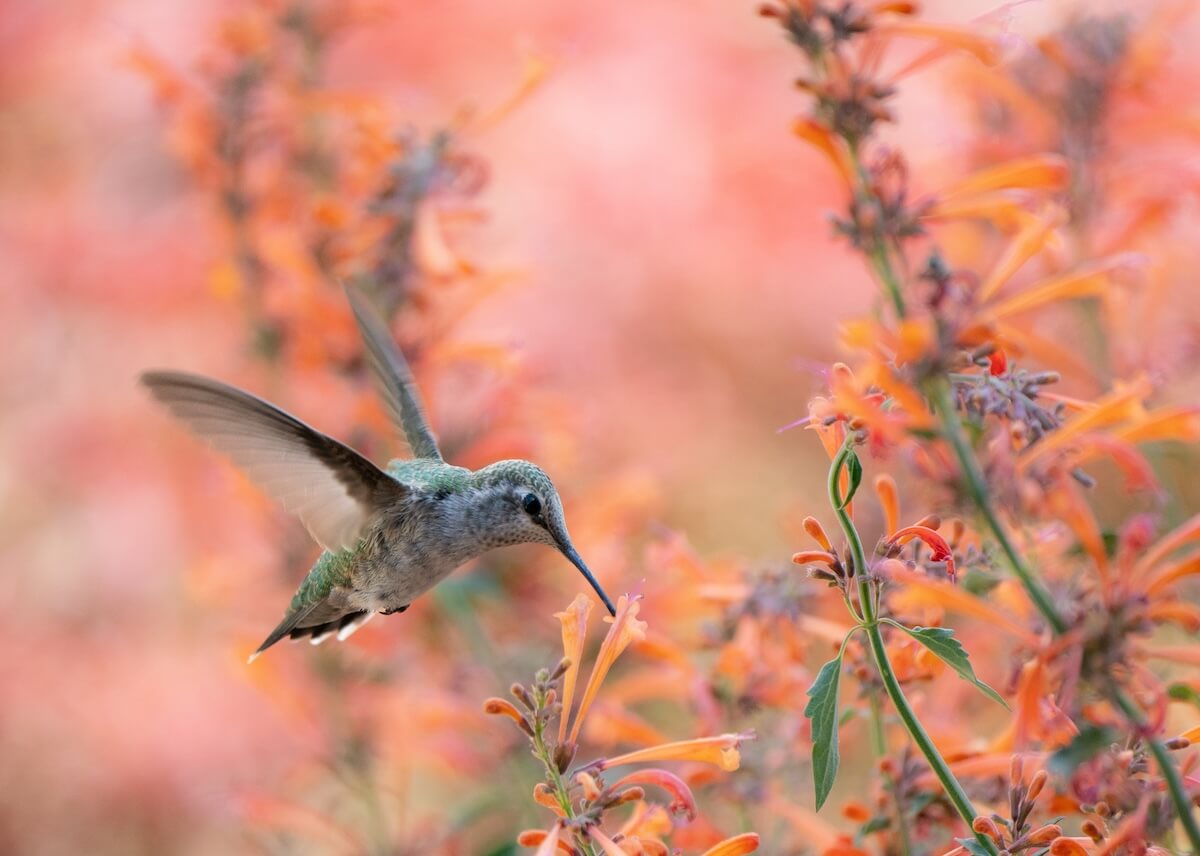
Hummingbird Mint
Finally, a flower that actually gets its name from its hummingbird pals. Hummingbird mint is a actually an herb, featuring colorful flower spikes in pink, purple or orange. They can be grown pretty much anywhere in the U.S., featuring a licorice-like fragrance that keeps pollinators (including the humble hummingbird) coming back for more.
(via Shutterstock)
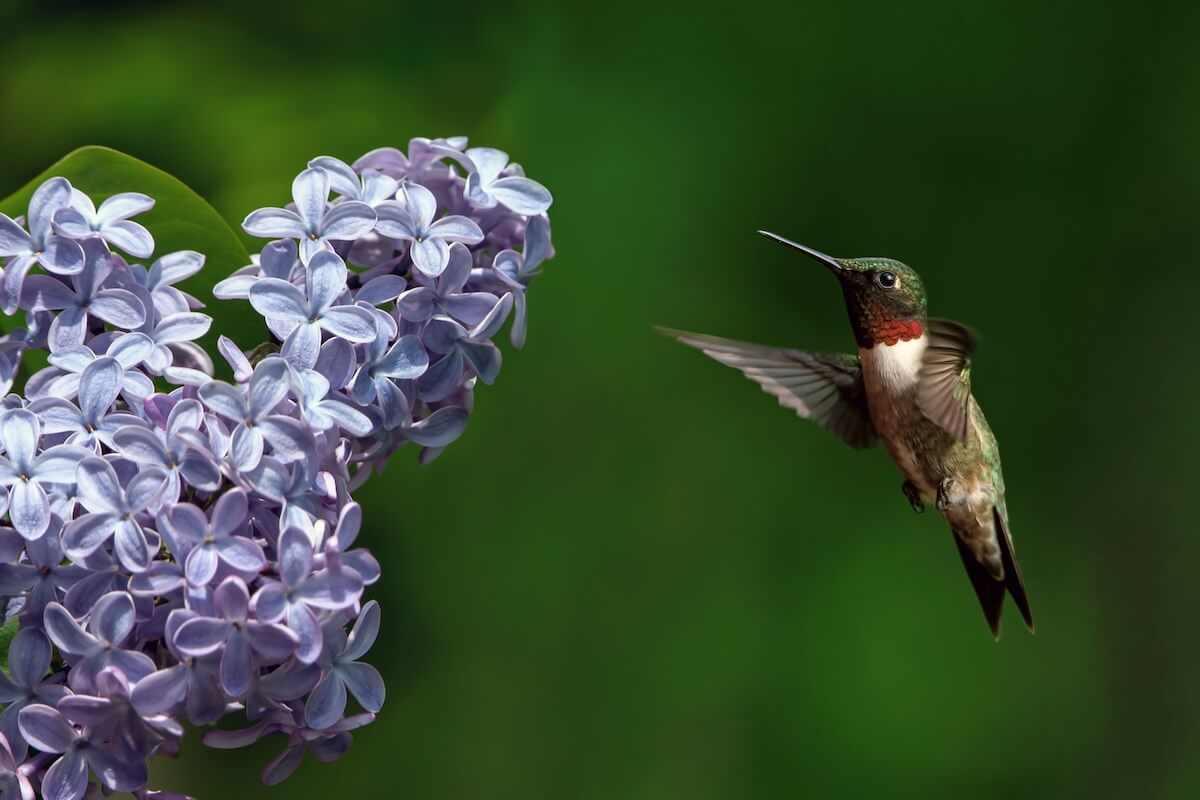
Lilac
Lilacs have such a beautiful color—sometimes white, but usually various shades of purple-blue—that they have an entire hue named after them. They grow on a bush, sprouting in clusters of four-petaled lilac flowers, emitting a sweet, floral scent that's enjoyed by hummingbirds and humans alike. However, their range can be more limited than many of the other flowers on this list, generally thriving in colder climates.
(via Shutterstock)
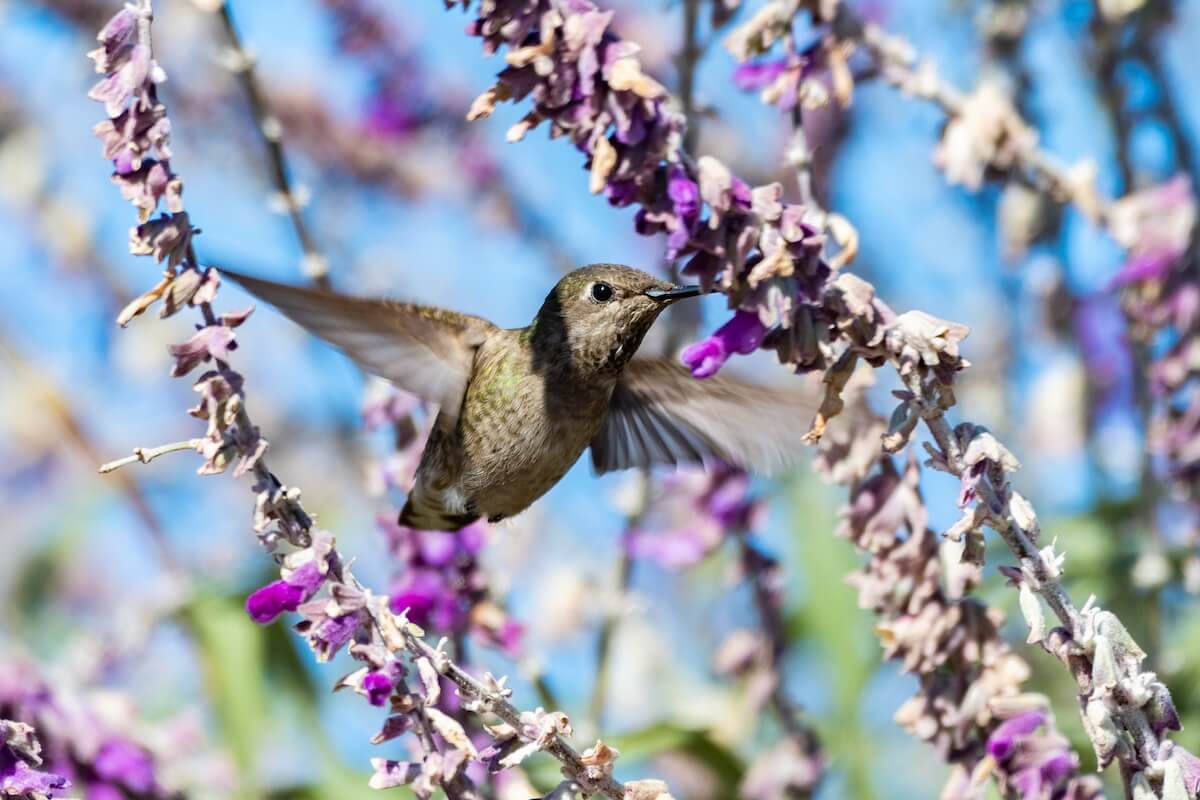
Lupine
Lupine flowers (also known as bluebonnets) are another gorgeous plant, consisting of many small shell-shaped flower clusters up and down a stem. Found all across the U.S. and beyond, these flowers are often purple, blue, pink or yellow, creating a tiny tree shape. They can also be toxic to many animals, tucking their nectar within each flower for the pollinators to take.
(via Shutterstock)
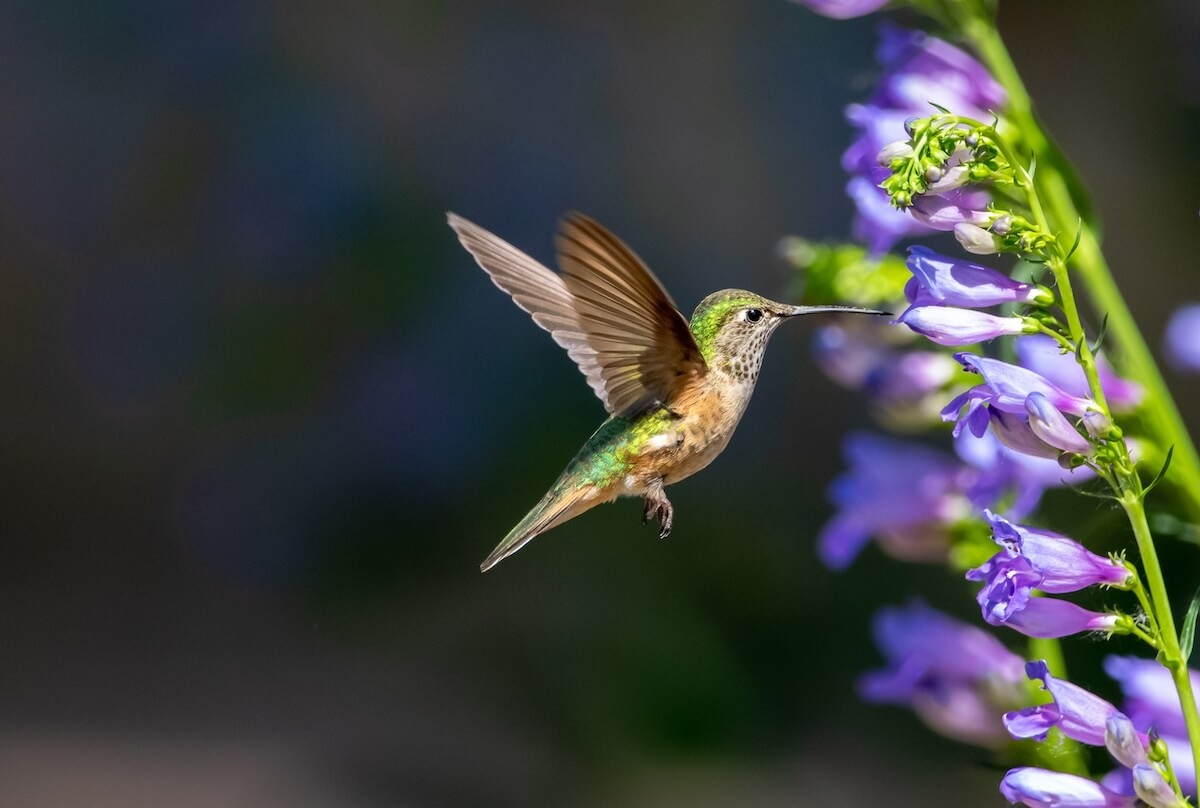
Penstemon
Penstemon (also known as beardtongue) is a relative of foxglove, with a trumpet shape tailored to pollinators. They're also super vibrant, featuring flowers in white, pink, red and purple, or even combinations of the colors, to attract feeders. They're suited to growth just about anywhere but the very hottest and very coldest regions.
(via Shutterstock)
Also read about: 20 Inspiring Captions for Every Photo in the Garden
Petunia
Petunias are one of the best-known varieties of flowers, gaining popularity due to their signature star shapes and and eye-catching colors, ranging from white, yellow and orange to red, pink and purple. They're especially rich with nectar, receiving frequent visits from pollinators while they bloom. In the wild, they grow all over the Southern U.S., and they can also grow elsewhere, though they won't survive freezing temperatures.
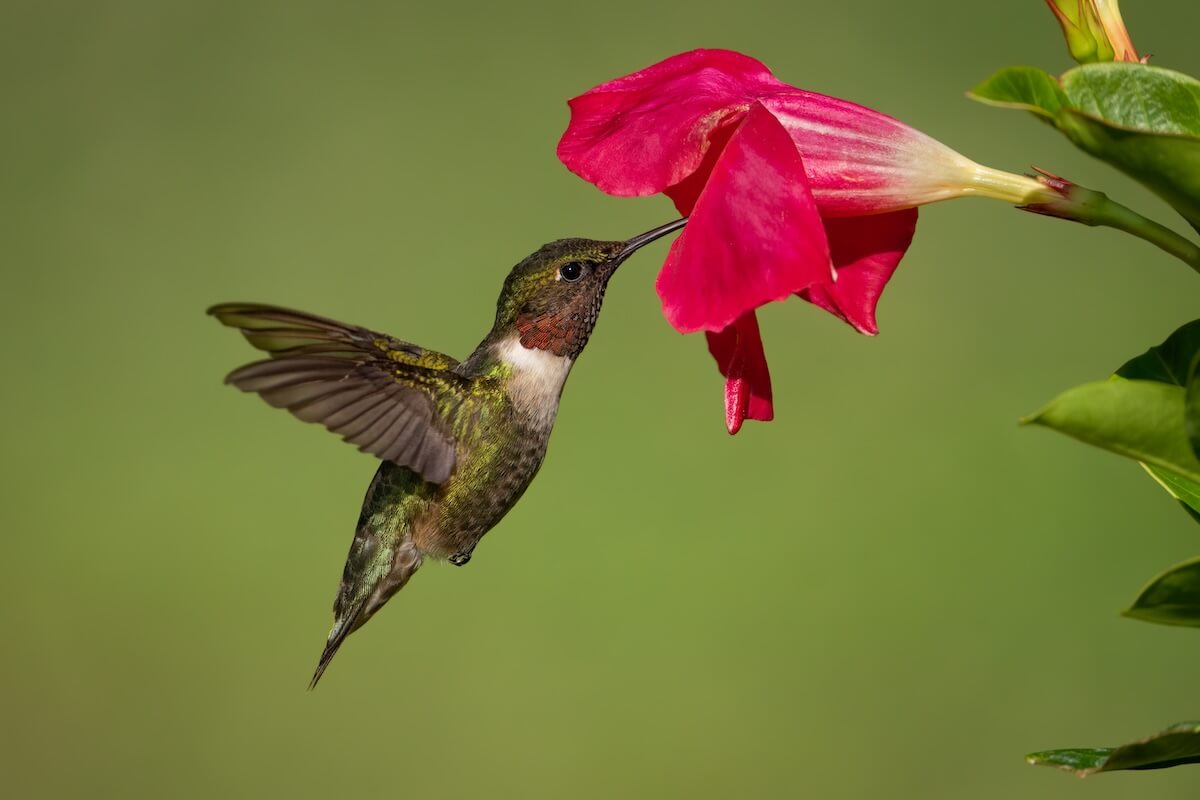
(via Shutterstock)
Phlox
Phlox may not have the most elegant name, but these gorgeous garden plants recognized for their clusters of five-petaled flowers are definitely worth knowing. They come in a wide variety of colors, from sheer white to various shades of pinks and purples, and can bloom just about anywhere you choose to plant them. Further, they're recognizable for a candy-like scent that makes them extra irresistible to hummingbirds and more.
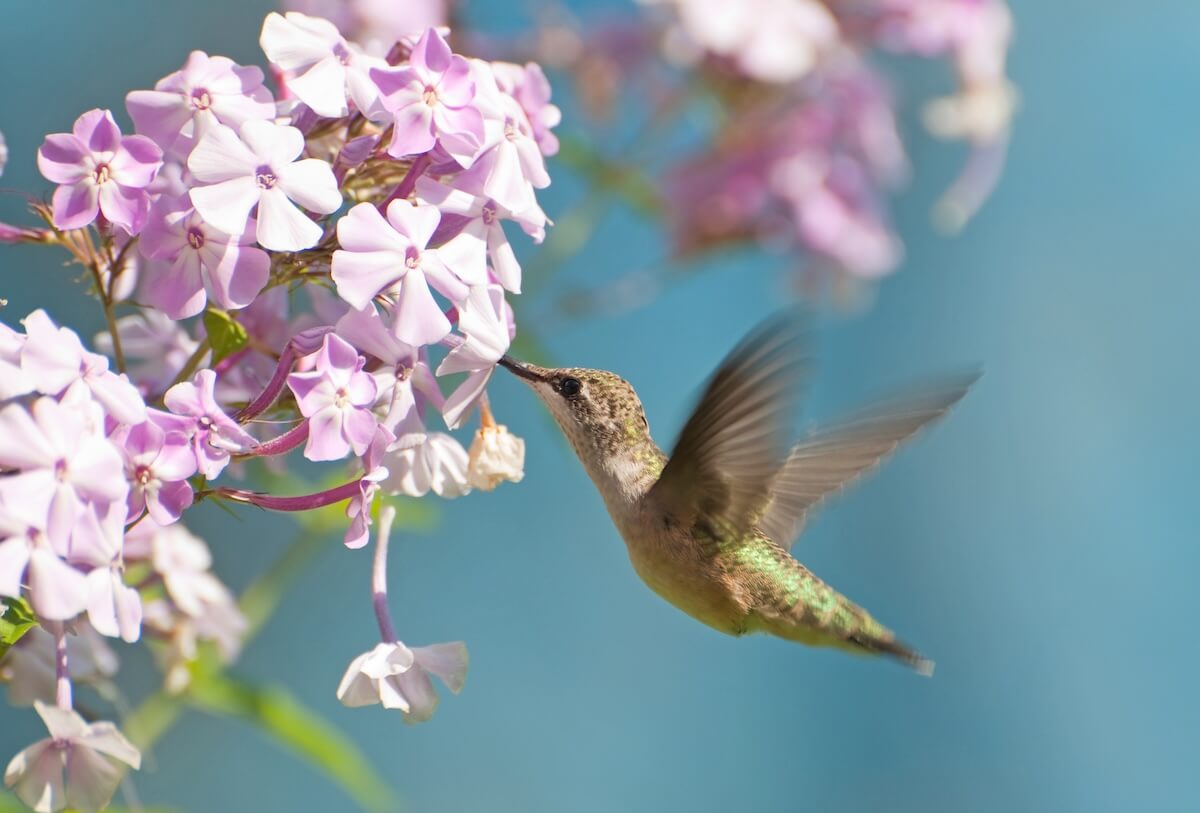
(via Shutterstock)
Torch Lily
Torch lilies are also known as red hot poker plants due to the spiky appearance of their flowers in fiery shades of yellow, orange and red. Originally native to Africa, they prefer more temperate climates, and their abundance of lowers make them popular with hummingbirds as well as many pollinating insects.
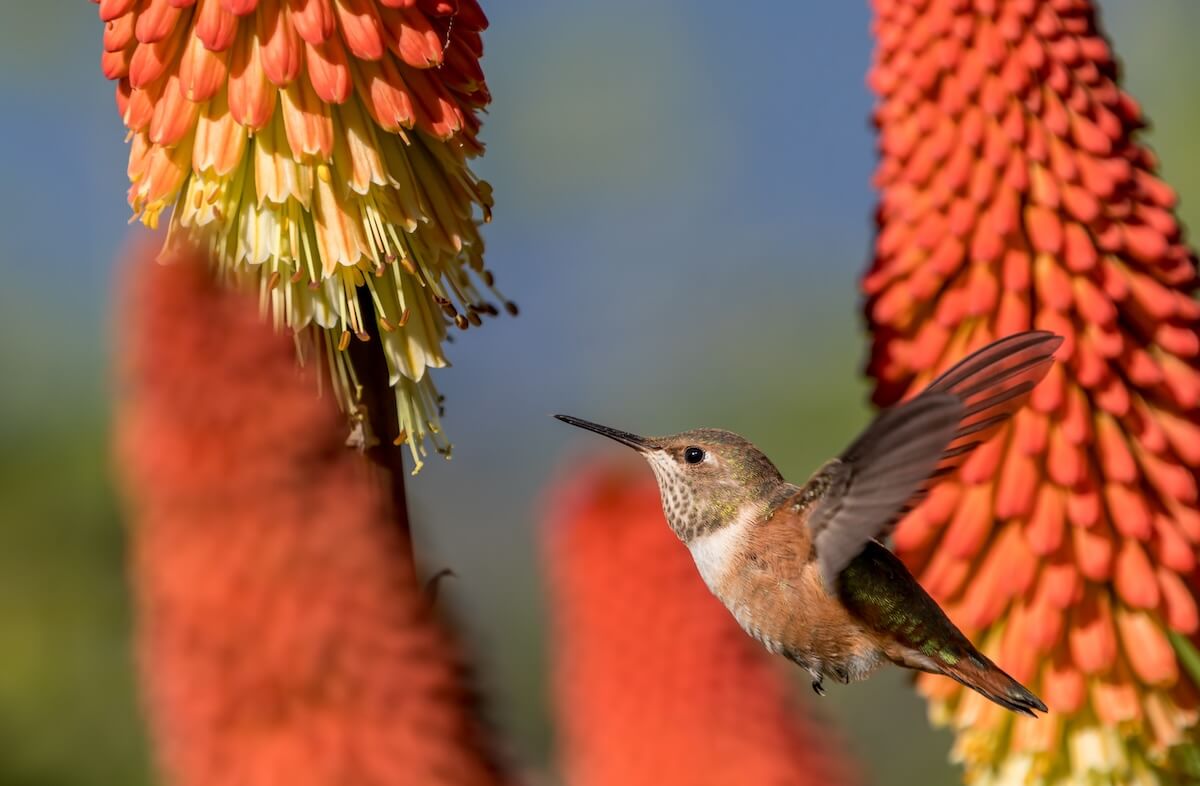
(via Shutterstock)
Trumpet Honeysuckle
With their elongated trumpet shape, bright color and sugar-sweet scent, trumpet honeysuckle couldn't be better-suited to bring in hummingbirds. They most often come in vibrant and warm colors, including yellow, orange, red and pink, with a wide range across the United States and a unique look that will stand out in any garden.
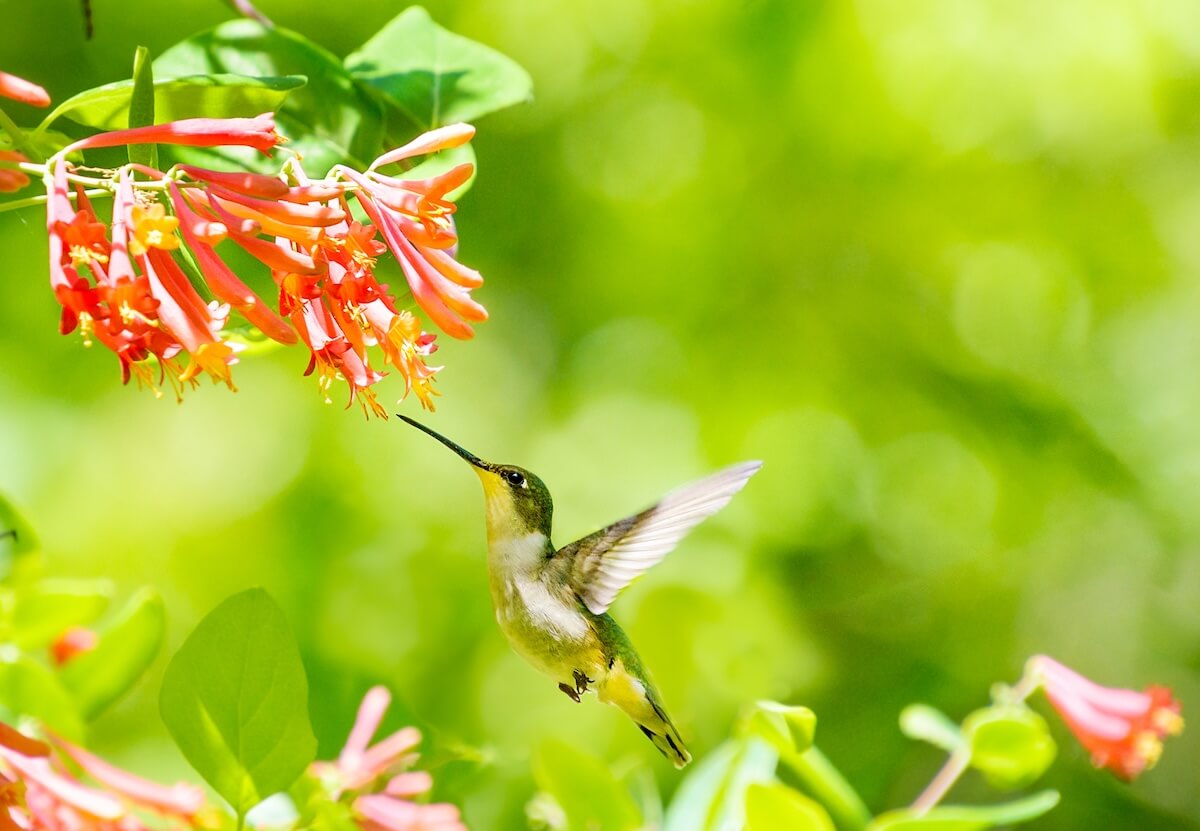
(via Shutterstock)
Zinnia
Zinnias have a look all their own, with dozens of vibrantly colored layered petals radiating from the center, and they're super hardy and easy to grow just about anywhere. They come in a wide range of highly saturated colors, including white, yellow, orange, purple, red and pink, as well as combinations of these colors in a single flower, with plenty of nectar to feed a hungry hummingbird.
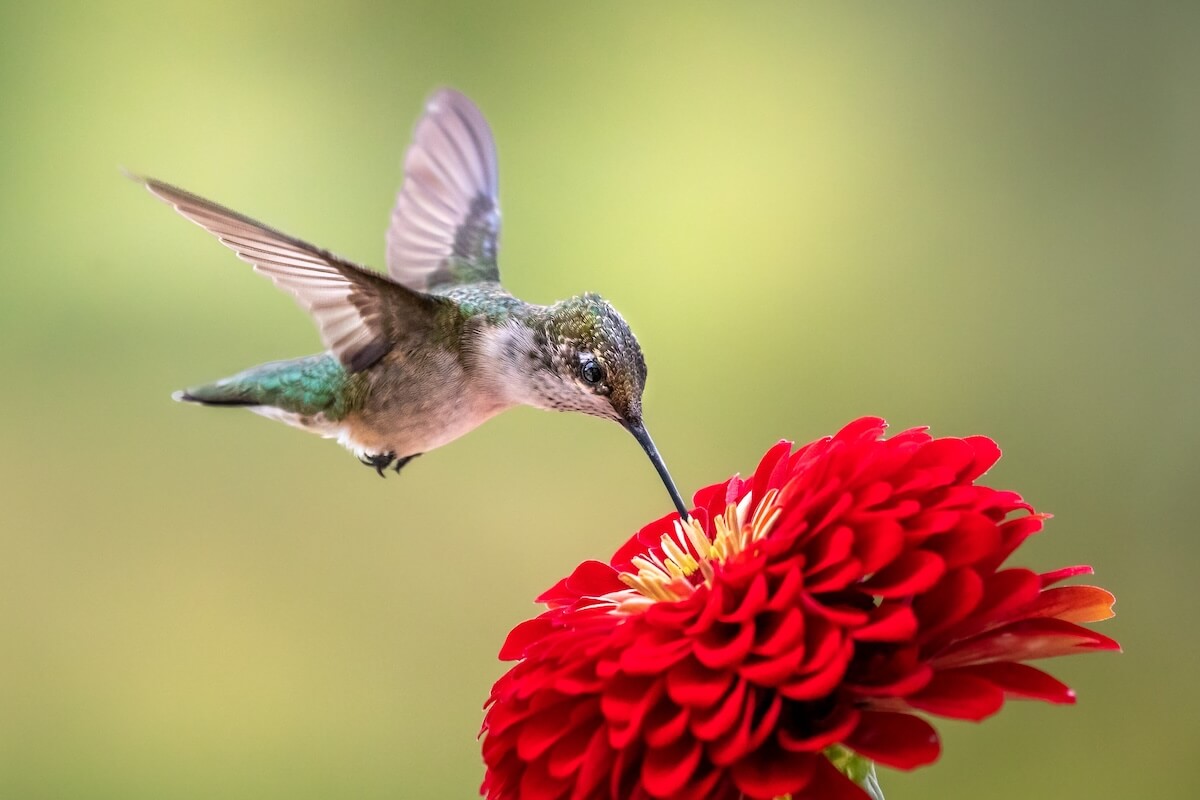
(via Shutterstock)
Want to expand your gardening to veggies as well? Click HERE for the easiest vegetables for beginners to grow.