These 46 Unbelievably Huge Animals Are the Biggest of Their Kind
There are certain animals in nature that you truly have to see to believe.
Nature never ceases to amaze us with its incredible creatures, and lately, we've been particularly fixated on the giants of the natural world. In fact, there are certain critters so improbably huge that they seem to defy the laws of the universe.
Don't believe us? From massive household pets to giant snakes, beetles, bears and more, keep clicking through to see 46 extraordinary huge animals that are the biggest of their kind.

(via Shutterstock)
1. Great Dane
Technically, the Great Dane is the result of years of selective breeding, and not nature at work, but that doesn't make this dog's size any less spectacular. Great Danes are on average the largest of all dog breeds, and the current tallest living dog, Freddy, is Great Dane standing at over seven feet when he gets up on his hind legs.

(via Shutterstock)
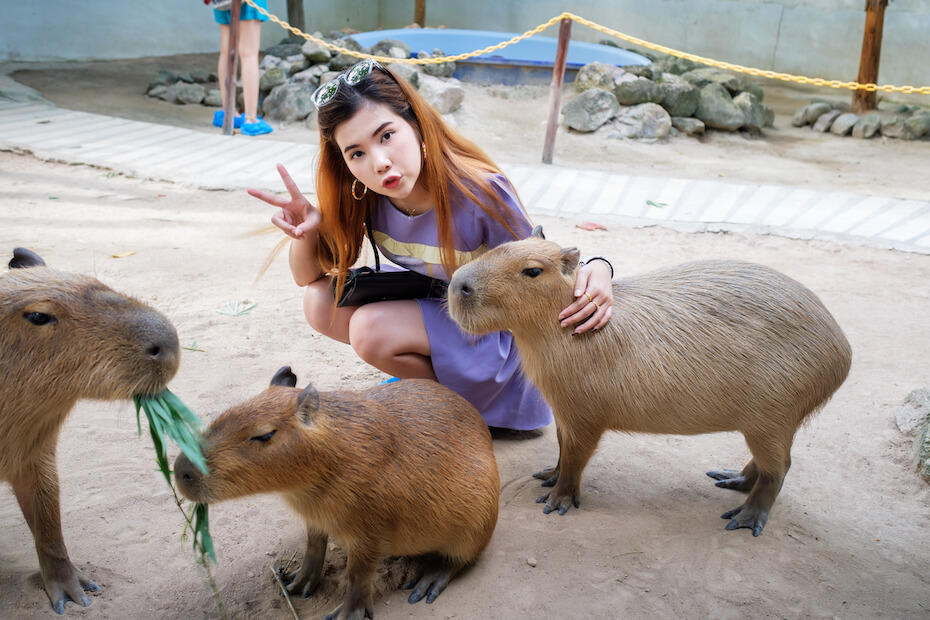
2. Cabybara
Capybaras are the largest rodents in the world, and it only takes one glance to see that they easily outsize their hamster, mouse and guinea pig cousins. These odd creatures live throughout South America near bodies of water, with webbed feet to aid in swimming, and they can get up to 4.4 feet long and weigh up to 150 lbs.
(via Shutterstock)
3. Goliath Bullfrog
The Goliath bullfrog has earned its stately nickname. These amphibians, which leave at the equator of western Africa near rivers and waterfalls, can grow up to more than a foot long and weigh up to seven lbs. Though their diets are similar to that of other frogs, one goliath bullfrog was once found with a bat in its stomach. They're also big movers with an impressive 10-foot jump.
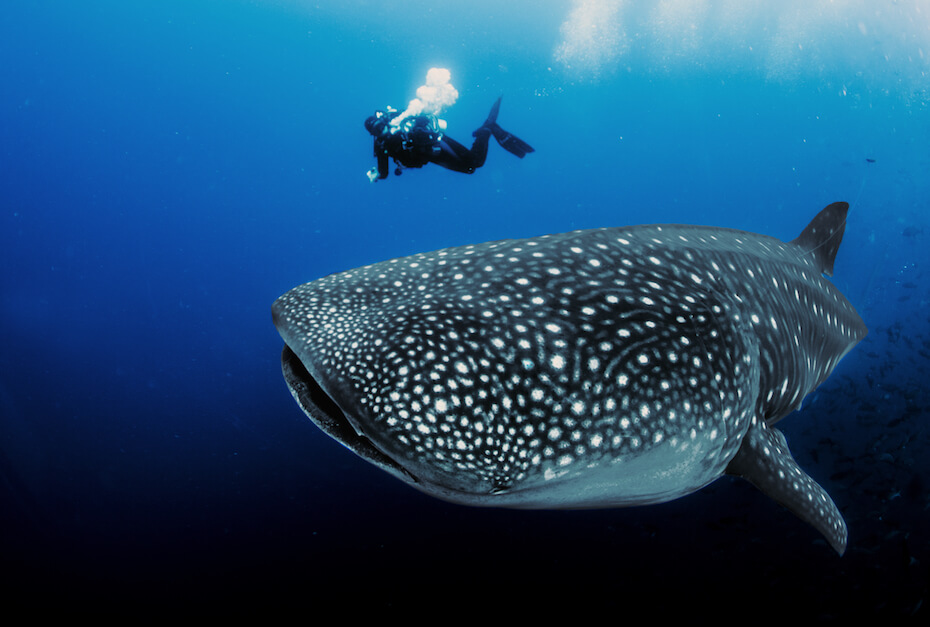
4. Whale Shark
The whale shark is the biggest animal in the shark family, also meaning it's technically the largest living fish in the world. These animals prefer warm, tropical waters, and have been known to be up to 62 feet long. Despite their huge size and intimidating appearance, they're peaceful filter-feeding animals that dine on tiny critters such as plankton, krill and minuscule fish.
(via Shutterstock)
5. Wallace's Giant Bee
Until 2019, Wallace's giant bee was through to be extinct, as it hadn't been seen since 1981. Its remote rediscovery on remote Indonesian islands proved that wasn't the case. With a wingspan of 2.5 inches, it easily dwarfs its other bee relatives, and the pinned specimen in the image above reveals just how massive it truly is in comparison.
6. Maine Coon
The Maine Coon is another animal that was specifically bred for its unique features and size, and we still can't believe that these domestic cats can be up to 40 inches from nose to the start of the tail and weight more than 25 lbs. They have distinctive faces, as well as strong hunting skills and thick coats suited for harsh New England winters.

(via Shutterstock)
Also read about: The 35 Weirdest Australian Animals You've Never Heard Of
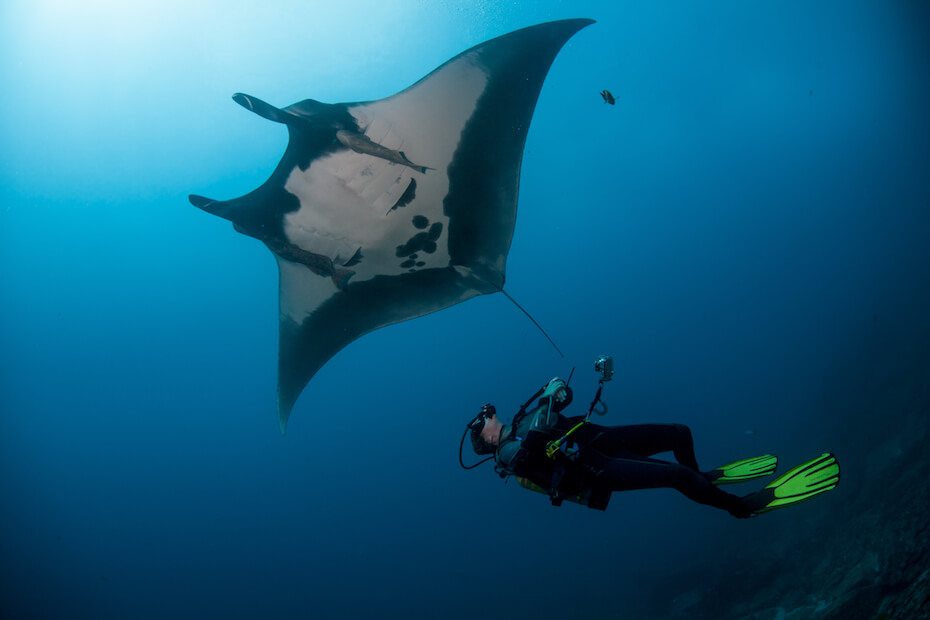
7. Giant Oceanic Manta Ray
Think the giant oceanic manta ray in this image is impressive? This manta is a typical size of about 15 feet long, but the incredible sea species can grow up to 23 feet and weigh an extraordinary 6,600 lbs. They live all around the world in tropical and temperate waters. Despite their appearance, they're not dangerous. They're filter feeders, eating mostly shrimp and krill, and tend to be playful with divers.
(via Shutterstock)
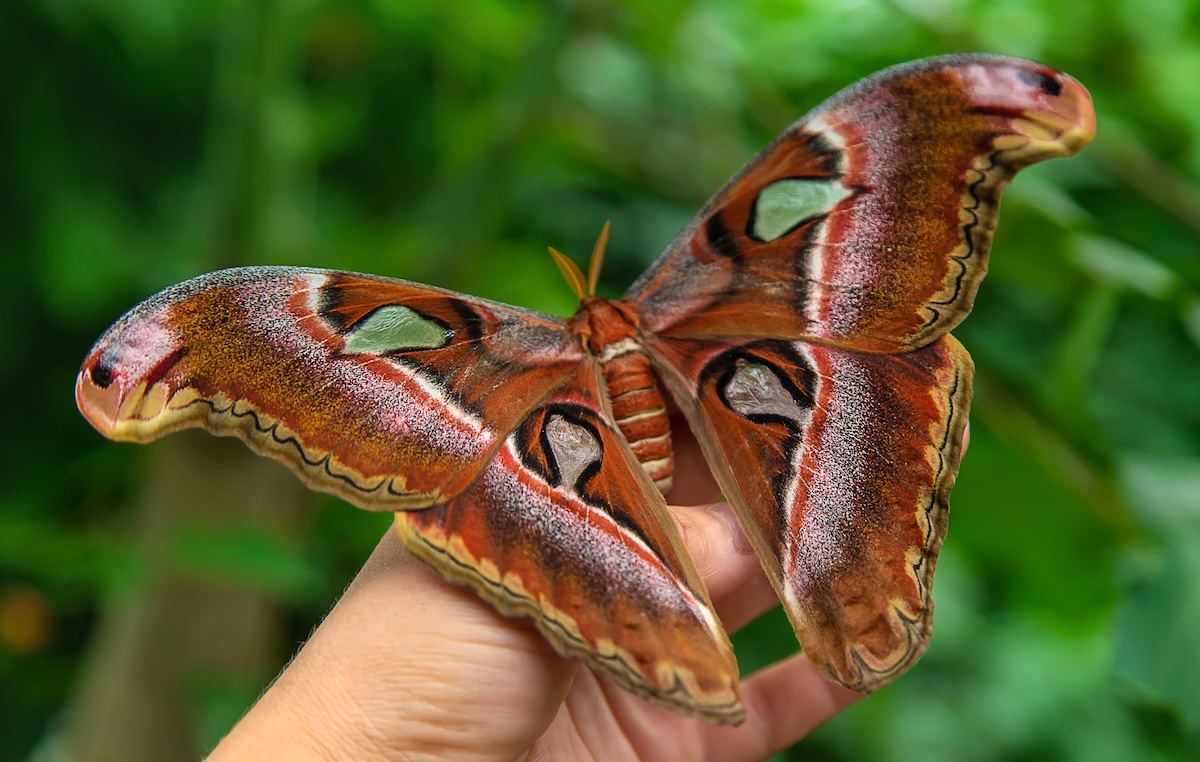
8. Hercules Moth
The Hercules moth is a special creature that lives in New Guinea, as well as tropical areas of Queensland, Australia. Its wingspan can be more than 10 inches across, and it has the largest wing area of any moth in the world. In its larval form, it lives on plants, but like many other large moths and butterflies, the regal adult has no mouth, as it lives for only two weeks.
(via Shutterstock)
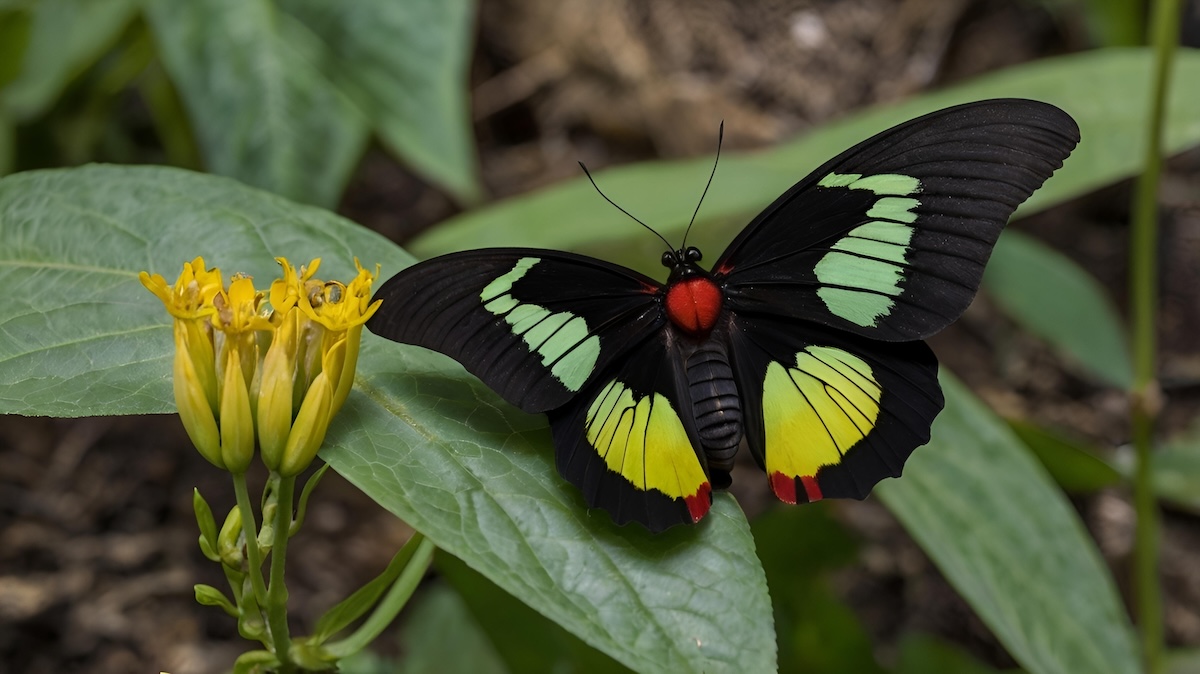
9. Queen Alexandra's Birdwing
The Queen Alexandra's birdwing is spectacular not just for the incredibly striking colors and pattern of the male, but also for being the largest species of butterfly in the world. Its wingspan can be up to 11 inches across, and this butterfly can only be found in the forests of a certain region of eastern Papua New Guinea.
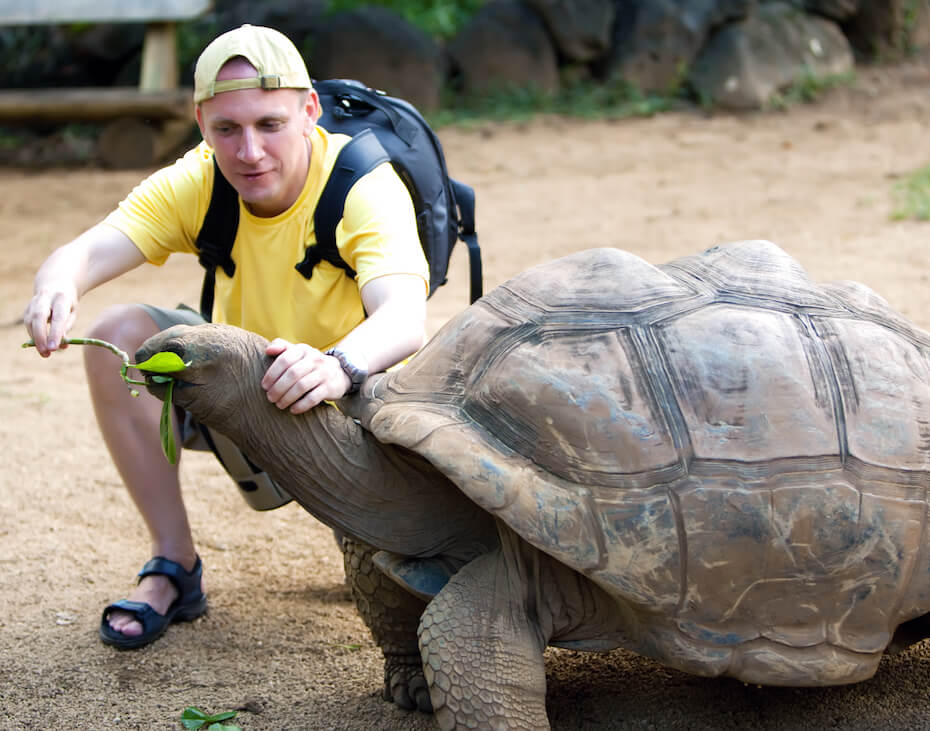
10. Galápagos Giant Tortoise
The Galápagos giant tortoise, native to seven of the Galápagos Islands, is the biggest living tortoise species in the world. These incredible creatures have been recorded to be more than six feet long and weigh more than 900 lbs. Perhaps even more impressive than their size, however, are their lifespans. They've been known to live for more than 100 years, with one individual in captivity living for at least 170.
(via Shutterstock)
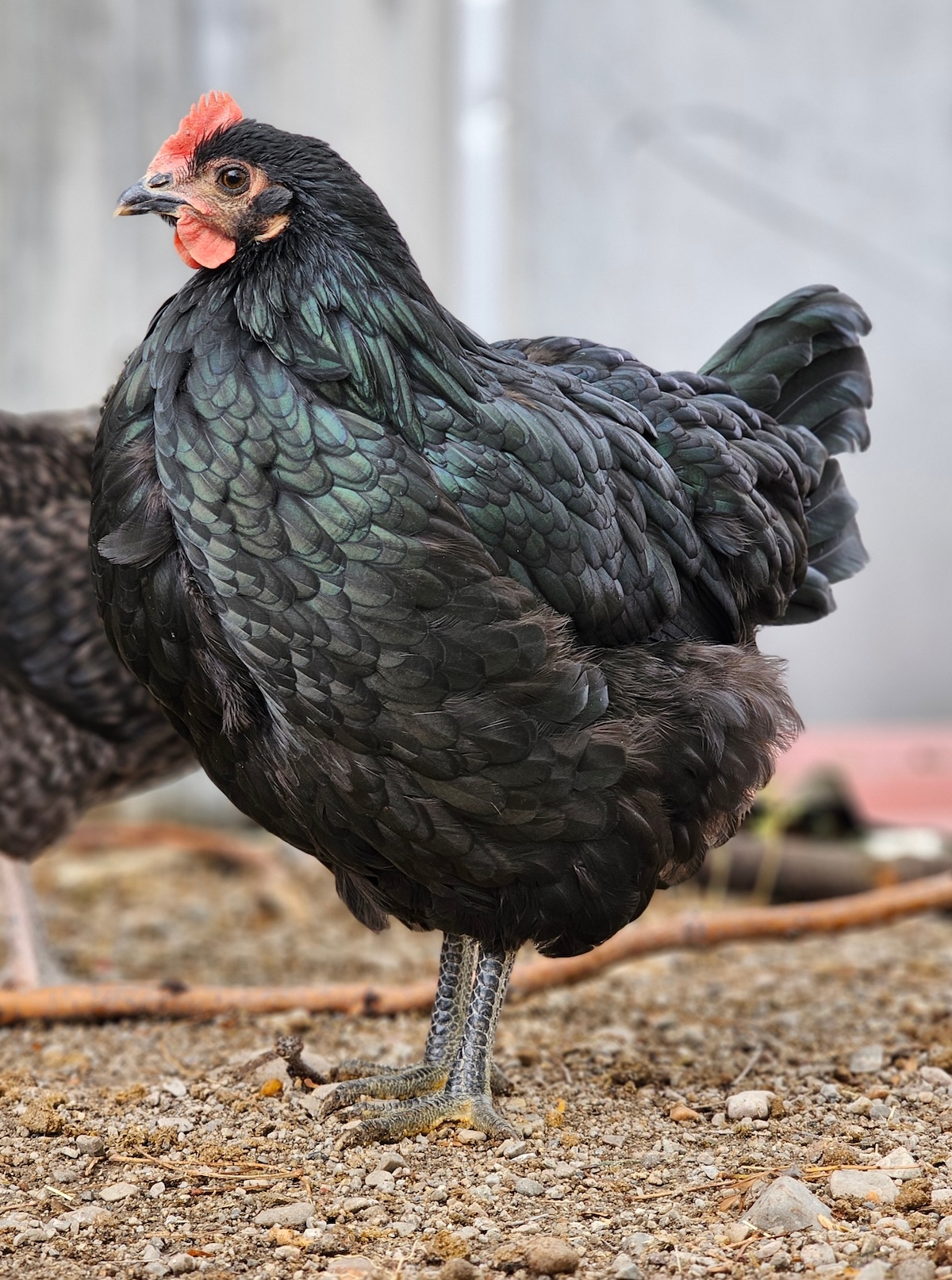
11. Jersey Giant
The Jersey Giant is an American breed of purebred domestic chicken that outsizes the rest, with the males weighing up to 15 lbs. and standing at up to 25 inches. They were originally bred to make chicken a more competitive meat against the reigning poultry, turkey, requiring large amounts of food to get them to their large sizes.
(via Shutterstock)
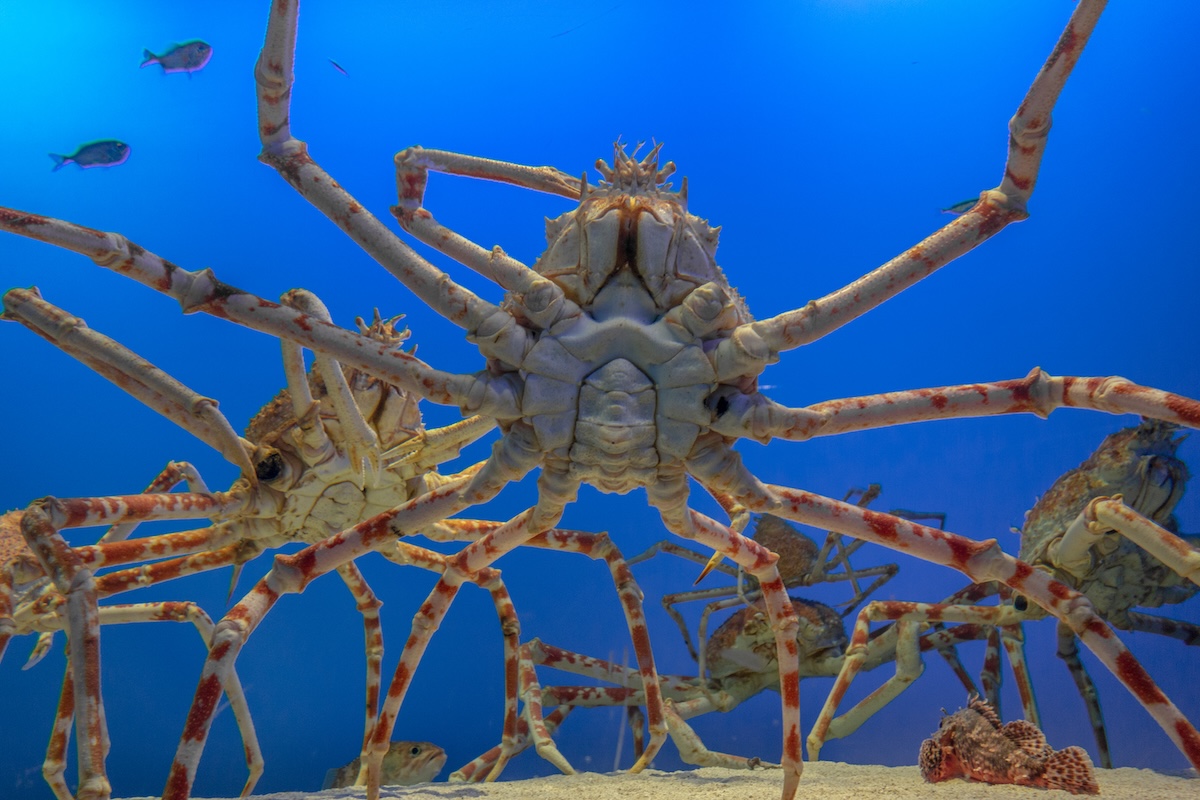
12. Japanese Spider Crab
The Japanese spider crab has some serious legs, with the potential to have a leg span of over 12 feet, and a weight of up to 44 lbs. They live primarily off the southern coasts of Honshû in Japan, but also live off of Taiwan, where they live in chilly waters and scavenge for food. They're the largest crabs in the world, and because they provide a lot of meat and are considered a delicacy in many parts o the world, efforts are being made to prevent overfishing.
(via Shutterstock)
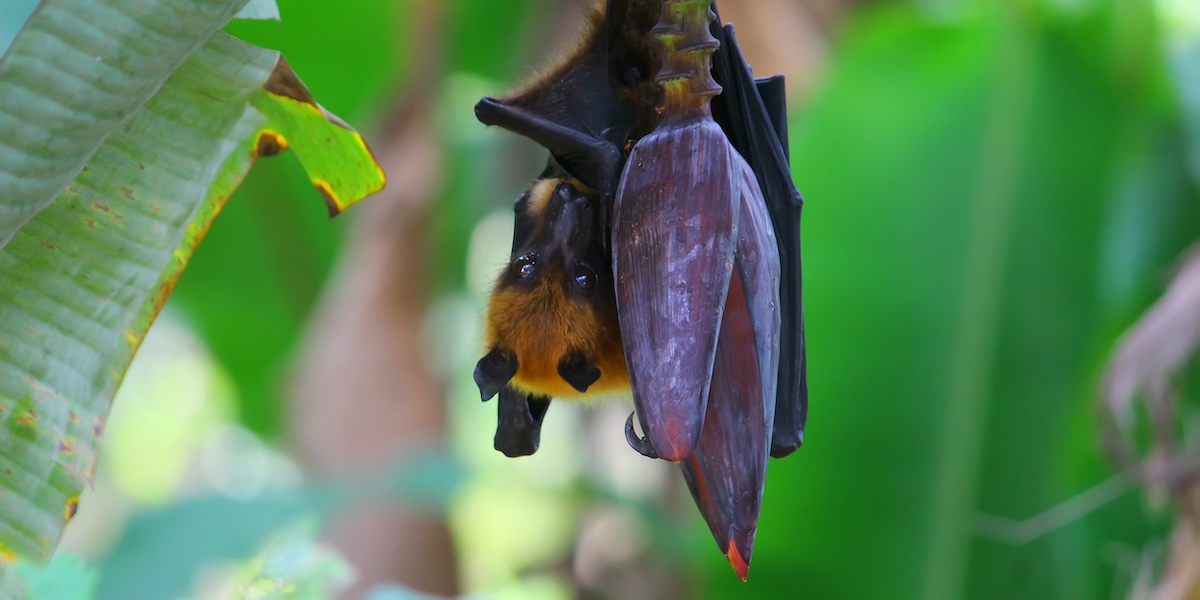
13. Giant Golden-Crowned Flying Fox
With the incredible size of the giant golden-crowned flying fox, it's incredible that this unique mammal can even take flight. It has a wingspan of up to 5.6 feet, but typically doesn't weigh much more than 3 lbs., allowing it to get airborne. They live in the Philippines and are the biggest bats, living off of a diet made up primarily of fruits and leaves, with figs being their favorite.
(via Shutterstock)
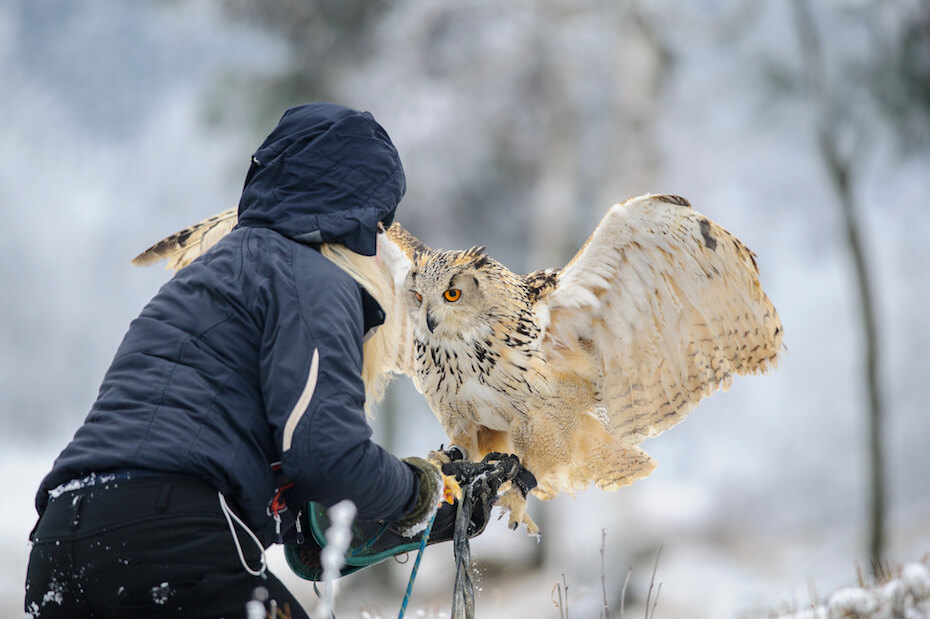
14. Eurasian Eagle Owl
The Eurasian eagle owl has the largest wingspan of any owl in the world, with some specimens recorded at more than 6.5 feet. Even do, the adults weigh less than six pounds. As the name implies, their habitat stretches all the way from Portugal in the west and through Russia and Central Asia in the east, and they're good at adapting to many kinds of environments.
(via Shutterstock)
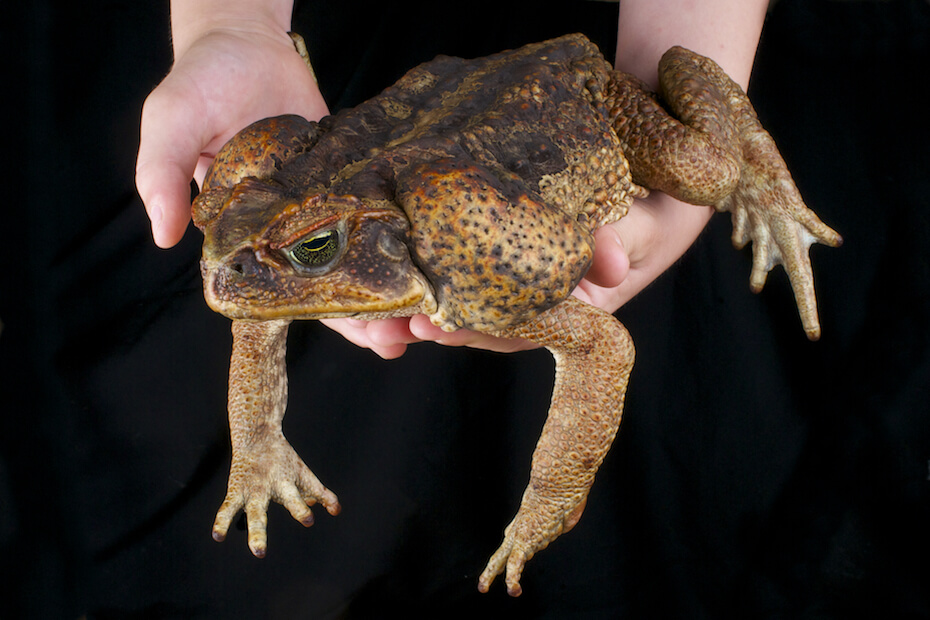
15. Cane Toad
Unlike the goliath bullfrog we noted earlier on this list, the cane toad doesn't need a lot of water to survive, thriving in grasslands and woodlands. It's the largest toad in the world, and the females actually get quite a bit larger than the males, with sizes of up to nine inches long. Cane toads are also considered an invasive species, and their introduction to Australia has had devastating effects on the natural wildlife there.
(via Shutterstock)
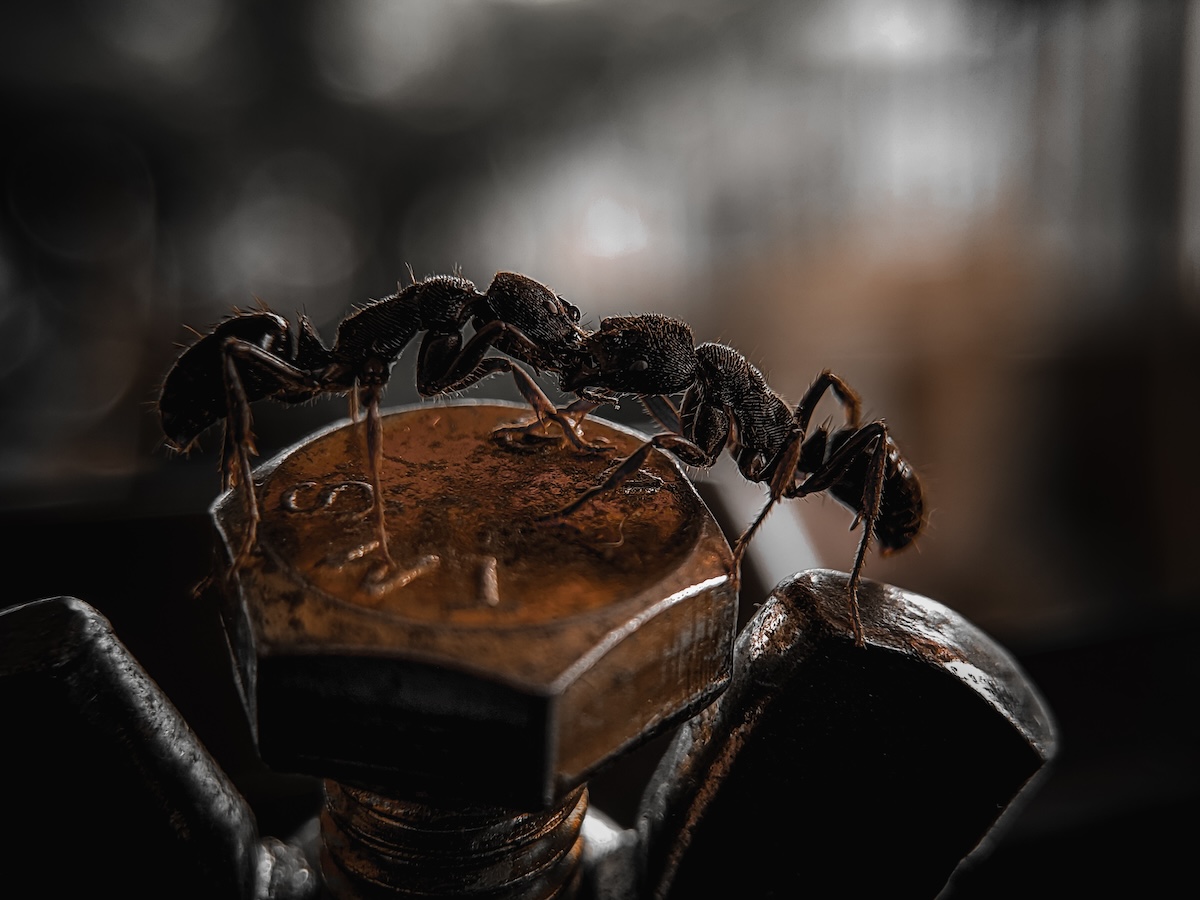
16. Dinoponera Gigantea
It only takes on quick glance at dinoponera gigantea so see that this is no ordinary ant. They live in certain regions of Guyana, Brazil and Peru and can be up to 1.4 inches long, making them the largest ants in existence. We're glad we've never seen these guys come along and disturb us during a picnic.
(via Shutterstock)
Also read about: The 35 Cutest Dog Breeds of All Time
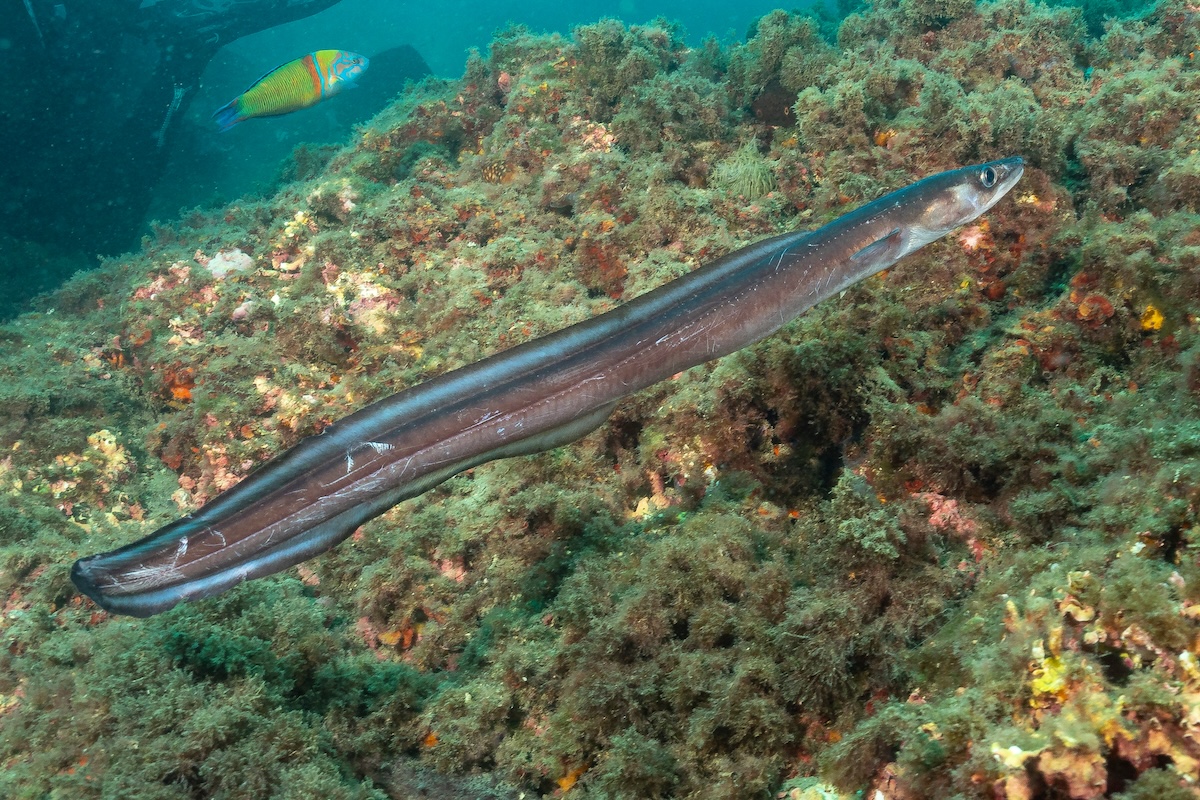
17. European Conger
The European conger is the largest species of eel in the world, and even though the one in this image seems quite large, it's nothing compared to the seven feet that the species often reaches. They can be found in waters of the eastern Atlantic from Norway and Iceland to Senegal, as well as in the Mediterranean and Black Sea.
(via Shutterstock)
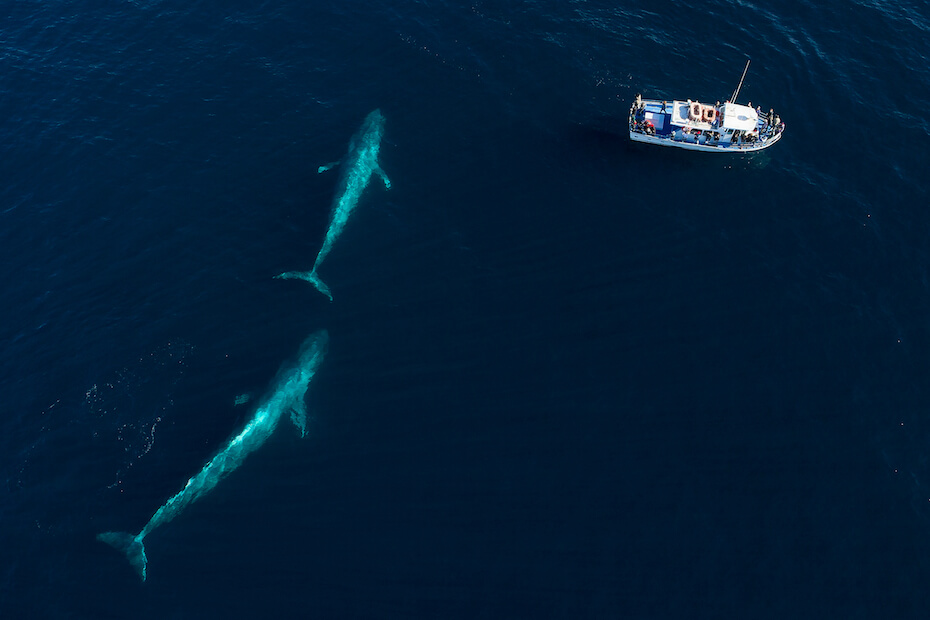
18. Blue Whale
It's a well-known fact that blue whales are the largest mammal species, as well as the largest living creatures on earth, but even with that knowledge, it's hard to exactly understand the scale of these majestic creatures. Adults can weigh up to 330,000 lbs. and be 80 feet long. That's the weight of more than 13 school buses!
(via Shutterstock)
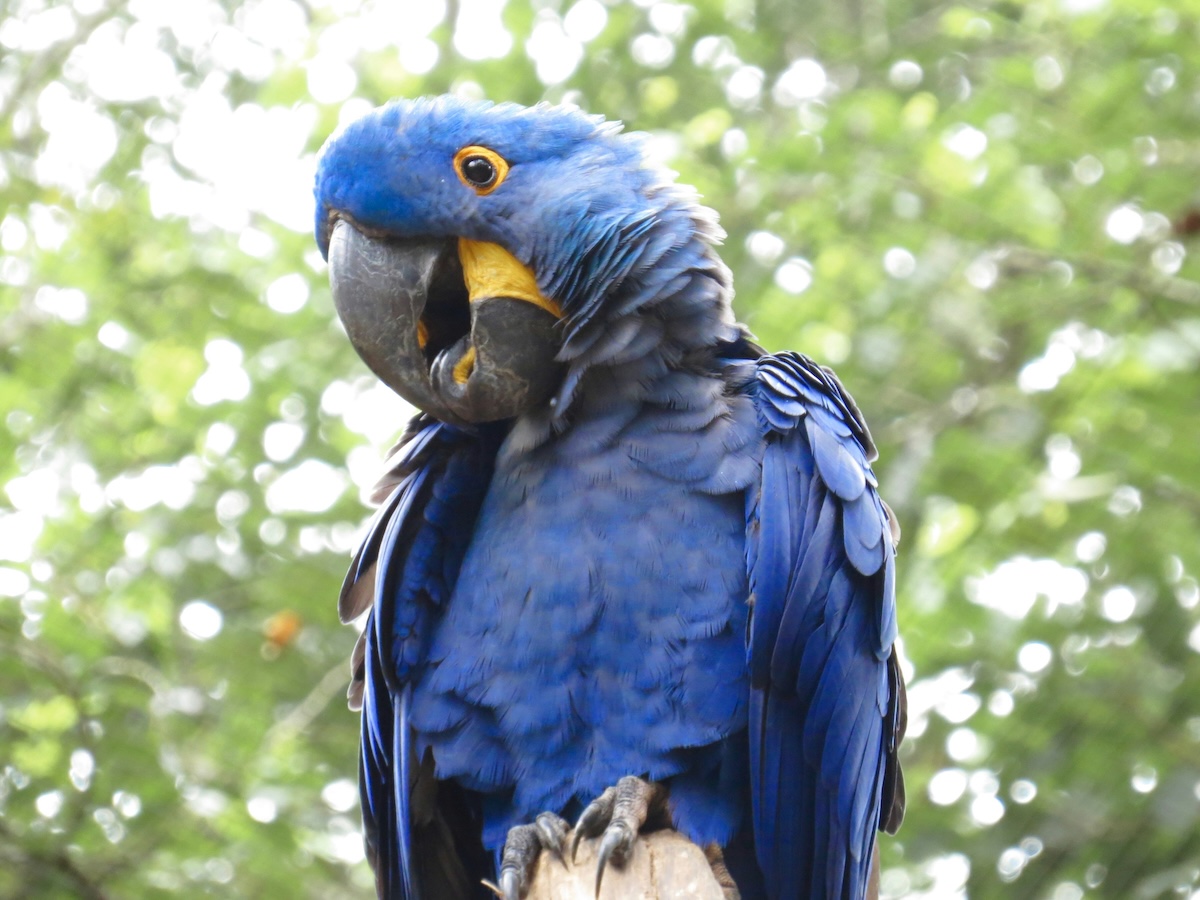
19. Hyacinth Macaw
The hyacinth macaw is a gorgeous bird, and also the largest flying bird in the parrot family, with a massive wingspan of more than four feet. They're known for their brilliant blue plumage and for being native to central and eastern South America, where they feast on Brazil nuts, as well as palms native to their habitat.
(via Unsplash)
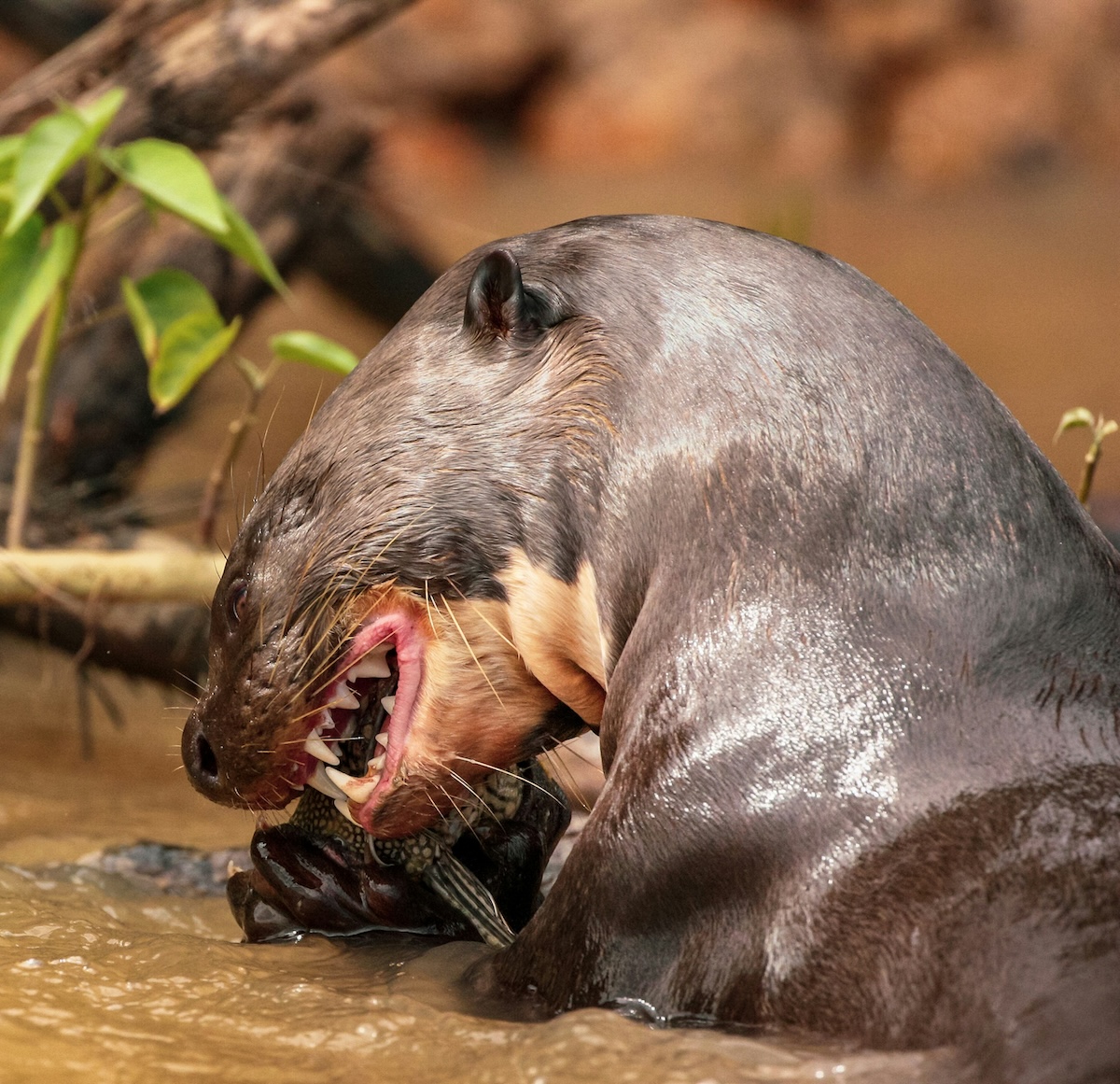
20. Giant River Otter
The giant river otter may seem like any other otter at first, but when you understand that they grow up to 3.7 feet long and can weigh more than 50 lbs., you start to understand what makes them the biggest of their kind. They're also quite vicious and have been known to fight caimans and anacondas, both for food and for the protection of their families.
(via Unsplash)
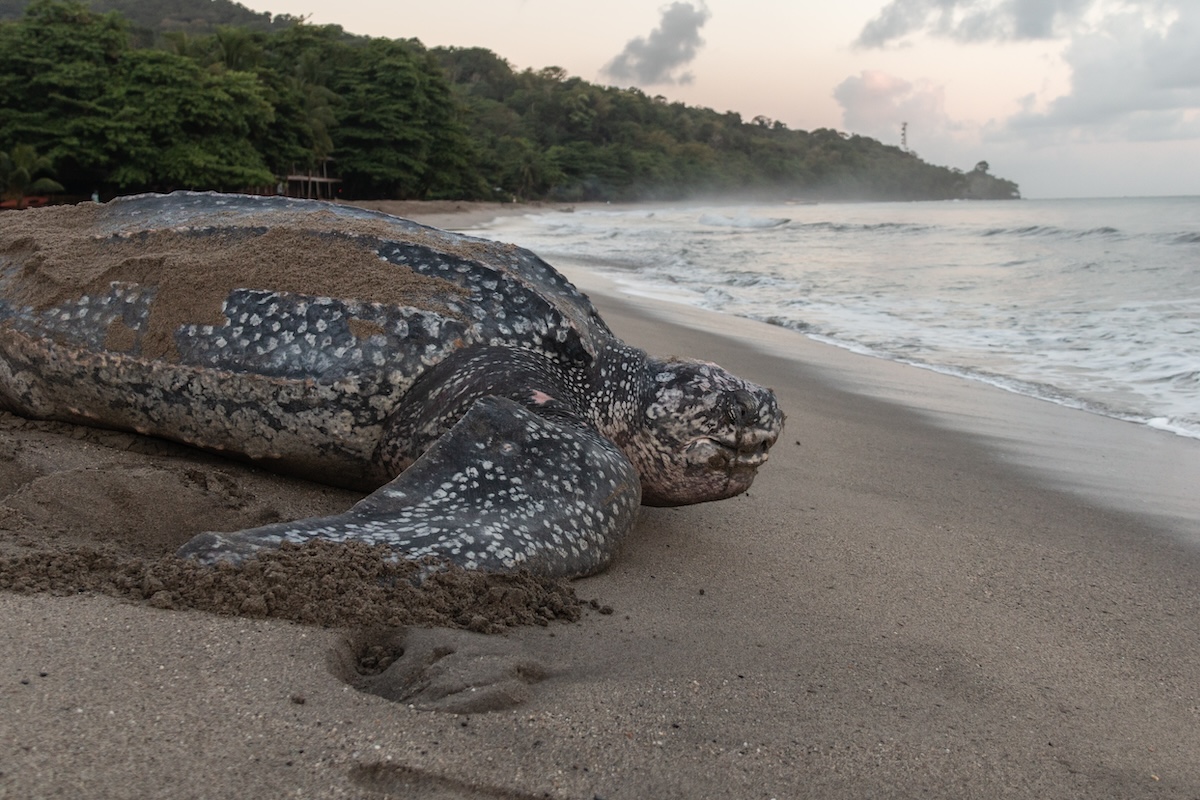
21. Leatherback Sea Turtle
The leatherback sea turtle is a massive creature. With a length of up to 7.2 feet and weighing up to 1,500 lbs., they're easily the largest turtles in the world. They're also notable for not having a bony shell like other turtles. They make incredible journeys of thousands of miles over the open ocean and primarily eat jellyfish. Their nesting grounds lie in Indonesia.
(via Shutterstock)
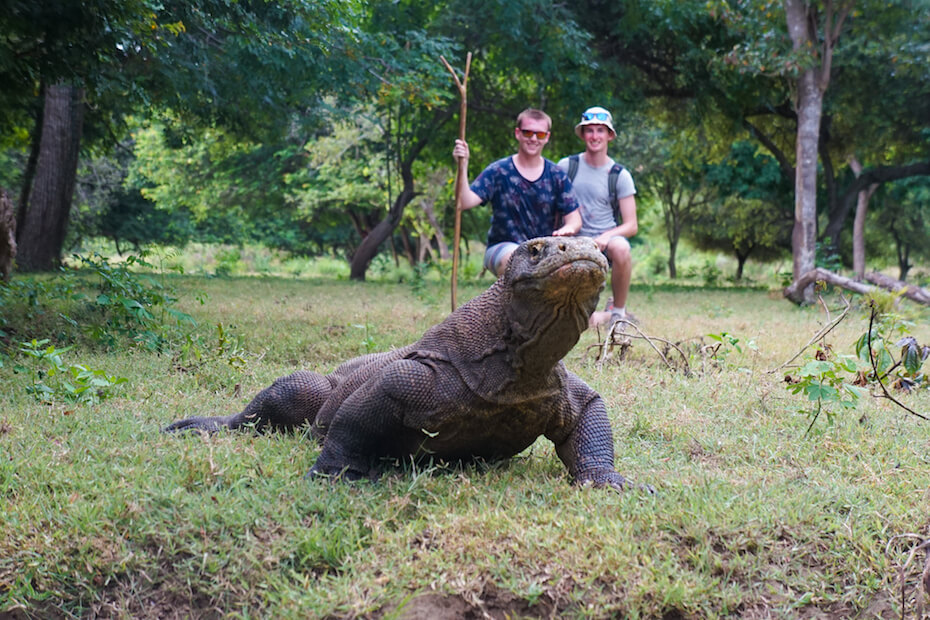
22. Komodo Dragon
There's a good reason these creatures are referred to as "dragons." The males can be 8.5 feet long and weigh up to 200 lbs., making them bigger than any other lizards out there. Komodo dragons are found only on the Indonesian islands of Komodo, Rinca, Flores and Gili Motang, where they hunt invertebrates, birds and mammals. They've also been known to go after humans, so use caution around these fearsome creatures.
(via Shutterstock)
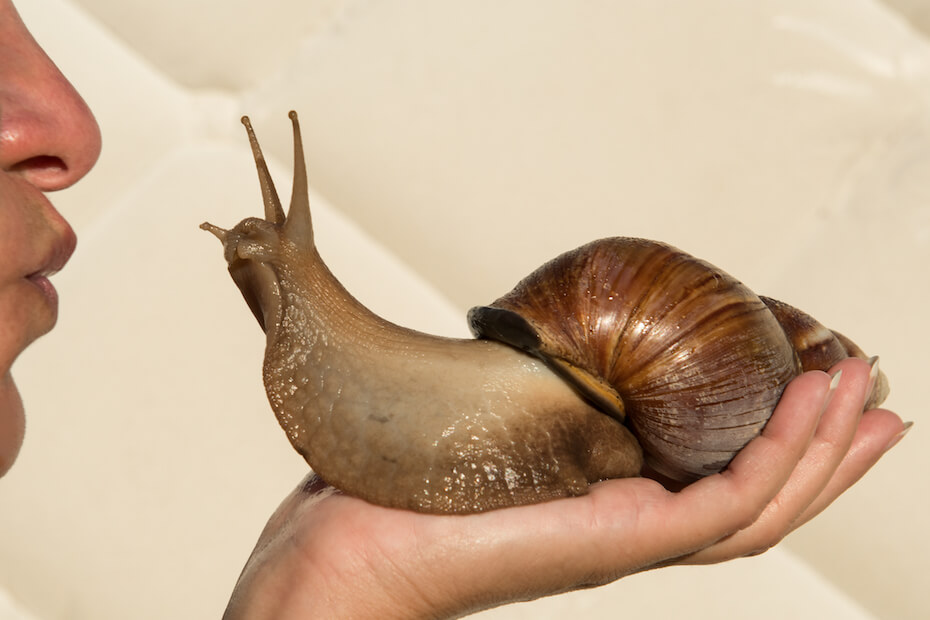
23. Giant African Snail
The giant African snail can grow up to eight inches in length with a five-inch diameter across its shell, making it the world's largest. Originating in East Africa, it can now be found in many parts of the world after accidentally being introduced there. Today, it's known as one of the world's most disruptive invasive species, as it has a huge appetite, while also spreading diseases from plant to plant as it consumes.
(via Shutterstock)
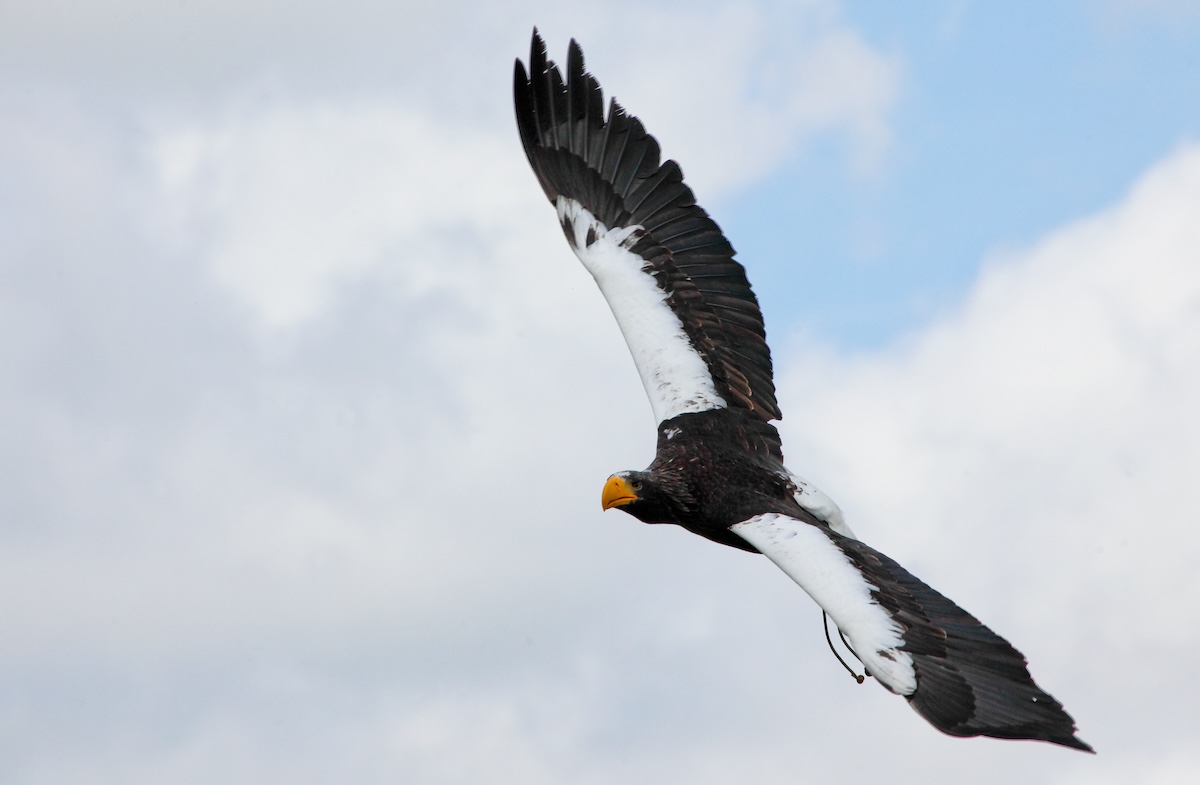
24. Stellar's Sea Eagle
Steller's sea eagle is huge, and with a wingspan that can reach more than eight feet and a weight of up to 20 lbs., it weighs more than any other eagle on Earth. This eagle lives in coastal northeastern Asia in chilly areas and lives on a diet of fish and waterfowl. It's also considered a vulnerable species.
(via Shutterstock)
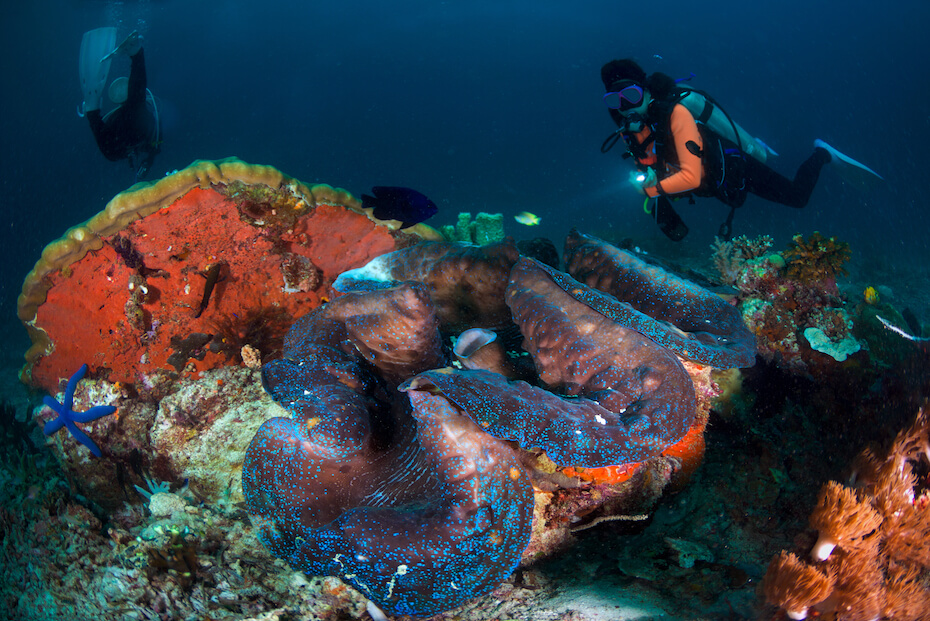
25. Gigas Clam
There's a reason the gigas clam is also known as a giant clam, because at four feet across and 500 lbs., no other clam comes close to its massive size. It typically lives near coral reefs, where it filter feeds and can live for more than 100 years. Unlike most clams, it usually can't close its shell completely as it grows, making it quite the sight to behold.
(via Shutterstock)
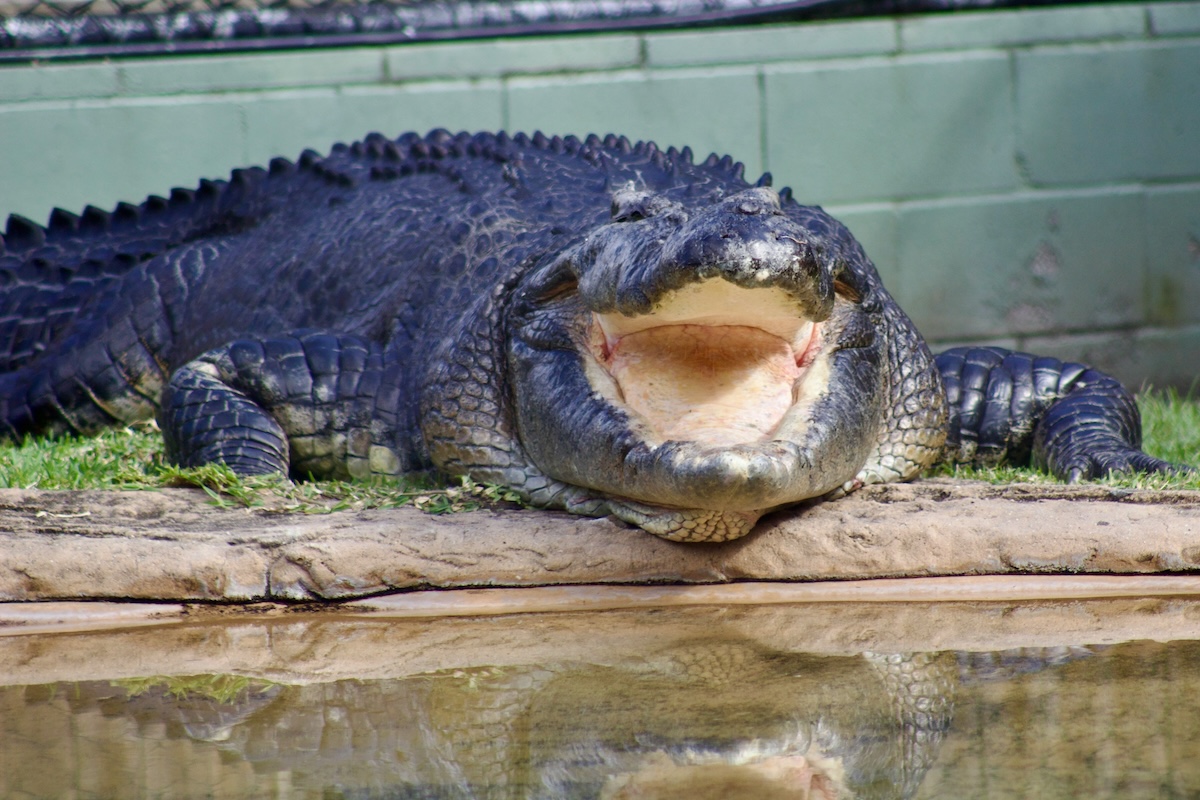
26. Saltwater Crocodile
You might think you know how big crocodiles can get, but saltwater crocodiles are gargantuan, weighing up to 2900 lbs. and reaching lengths of up to 21 feet. Other crocs can't even hold a candle to that size. Saltwater crocodiles get that big by being apex predators with incredible hunting skills, with the ability to take down pretty much any prey they set their eyes on.
(via Unsplash)
Also read about: 5 Wild Books About Cats, Dogs and More Animals
27. Colossal Squid
Despite all of the technology we have today, we actually don't know a lot about colossal squids. Researchers have discovered a few specimens, but they've been forced to estimate the potential size of these incredible creatures based on squid beaks they've found in the stomachs of sperm whales. Their best estimates guess the squids can grow up to 33 feet and weigh around 1,500 lbs.
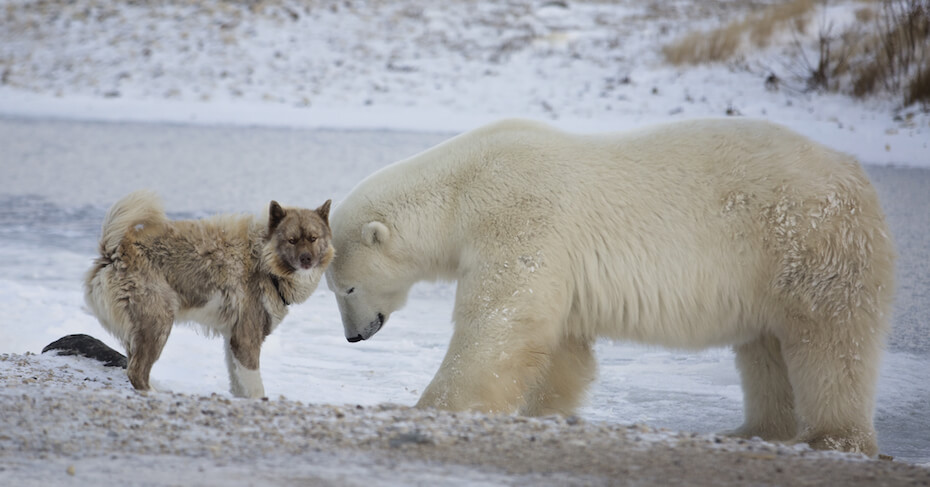
28. Polar Bear
Though Kodiak bears can be a similar size, polar bears just barely edge them out as the largest bears on earth. The males can weigh around 1,500 lbs. and reach nearly 10 feet long. Polar bears manage to reach these sizes by eating seals and other animals, though climate change is swiftly resulting in a reduction of their habitat, threatening the population.
(via Shutterstock)
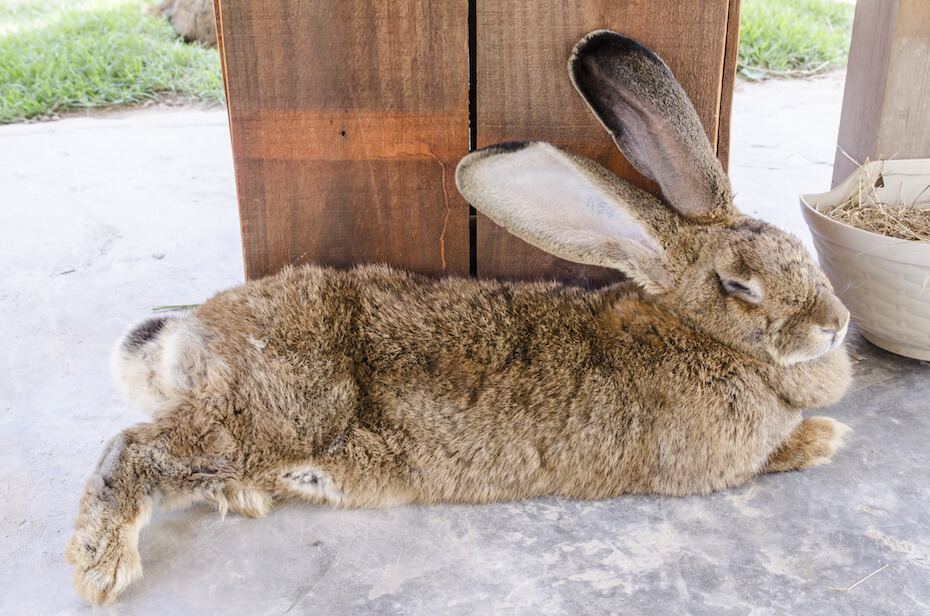
29. Flemish Giant Rabbit
At 2.5 feet in length, Flemish Giant rabbits are the world's largest (and probably cuddliest) rabbit breed. The males can weigh up to 22 lbs., as historically, the animals were bred for their fur and meet. However, in recent years, that's ended, and the breed is well-known for being good with people and enjoying life as a coddled pet.
(via Shutterstock)
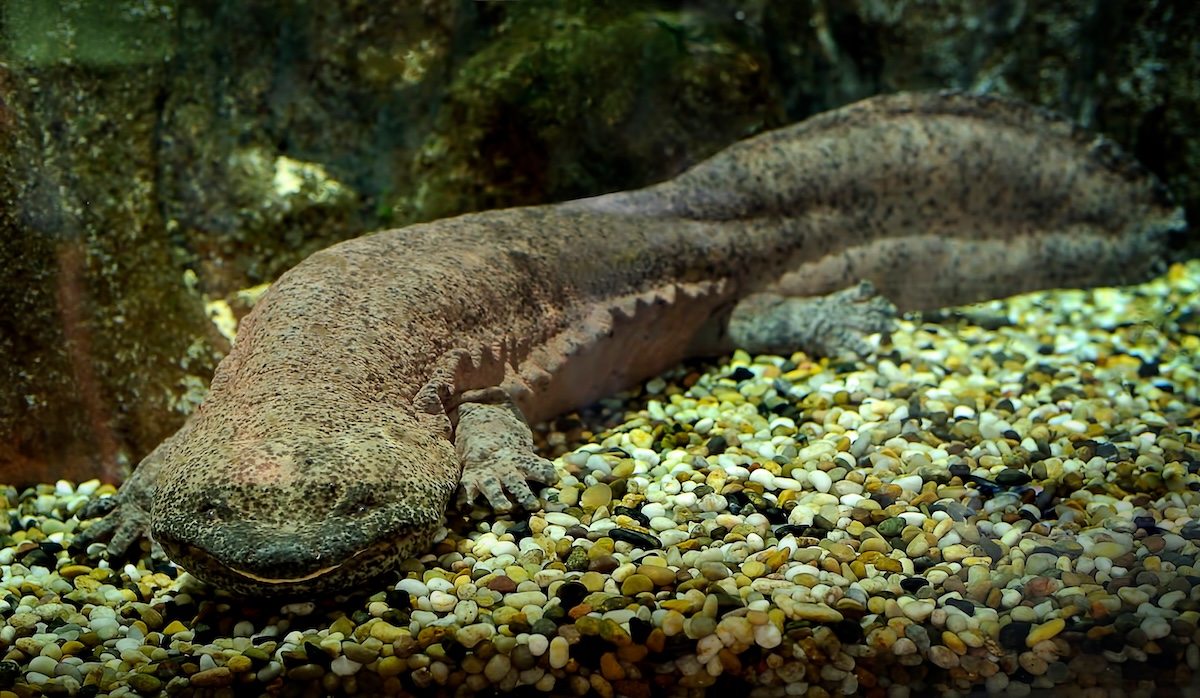
30. Chinese Giant Salamander
Though there's debate as to whether the Chinese giant salamander is actually the largest species of salamander in the world, there's no doubt that it's enormous. They only live in streams and lakes of the Yangtze river basin in China, where they're top predators that feed on fish, frogs, crabs, insects and more.
(via Shutterstock)
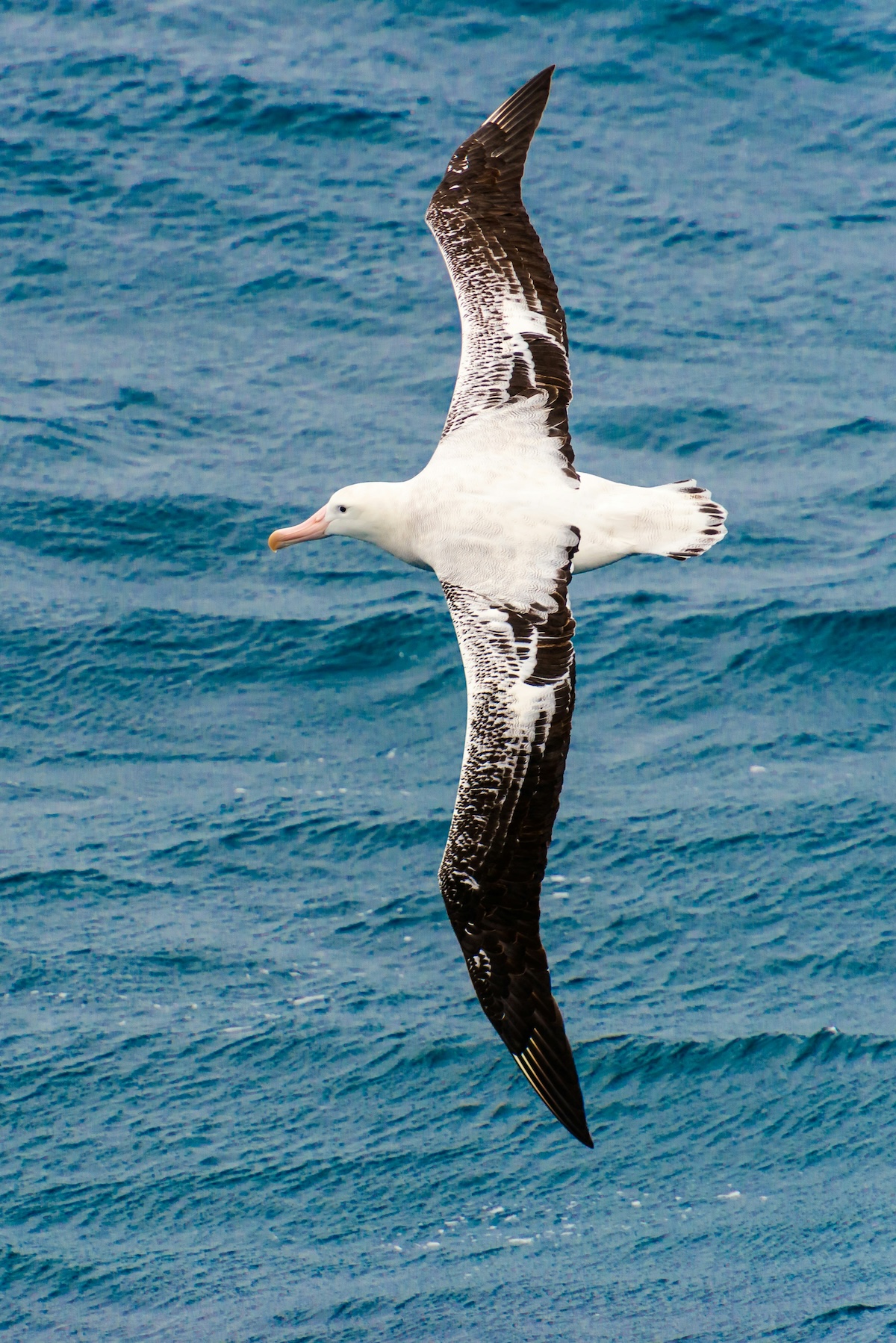
31. Wandering Albatross
When the wandering albatross is perched, it's tough to get a sense of just how big they are, but we think the image above wonderfully illustrates their absurd wingspan of up to 11 feet and 6 inches—longer than any other living bird. They make their homes on islands in the Antarctic Ocean, where they fly further and forage in colder waters than most albatross.
(via Unsplash)
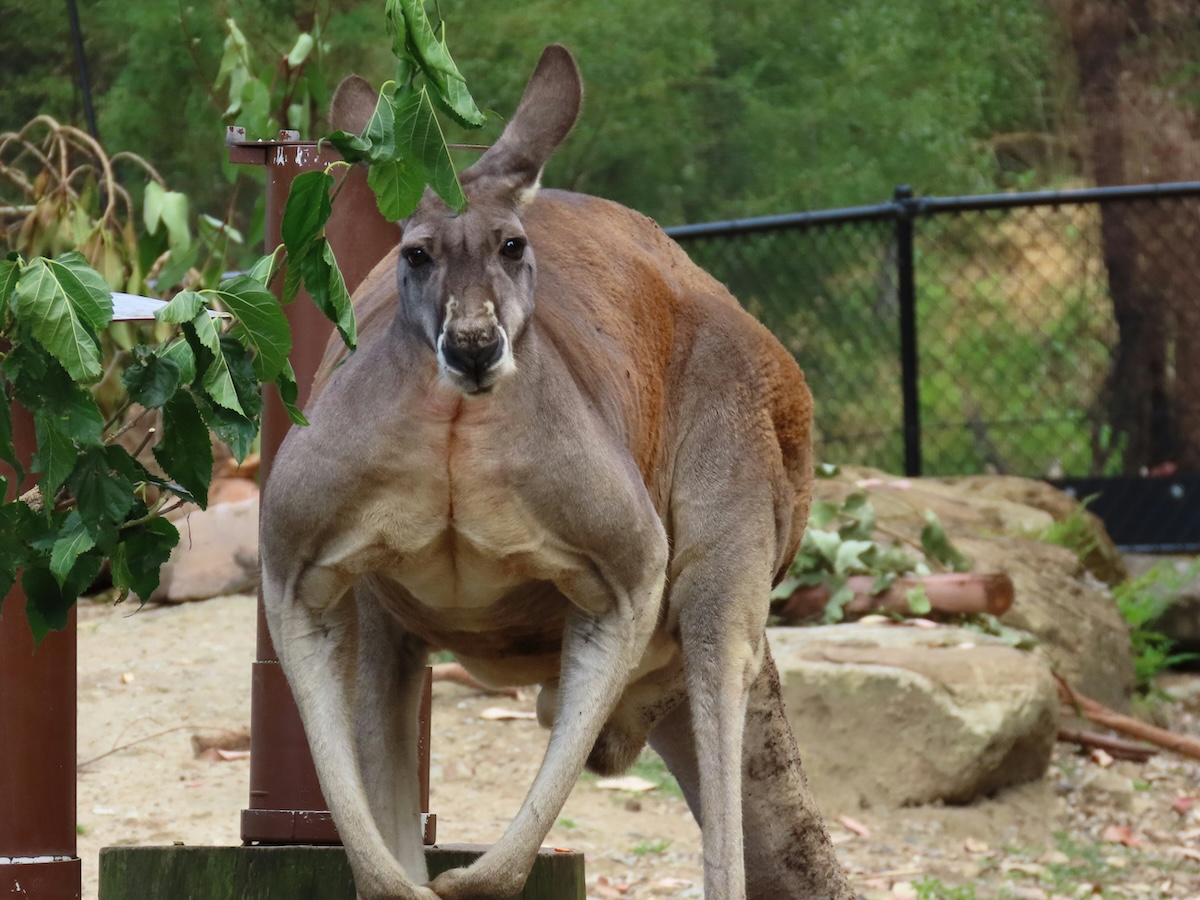
32. Red Kangaroo
Red kangaroos are another animal whose size is often underestimated. The males can stand at about six feet tall, and the largest on record was nearly seven feet tall, weighing about 200 lbs. That easily makes the species the largest of all marsupials. They're found across mainland Australia, and males of the species have been known to "box" over females.
(via Unsplash)
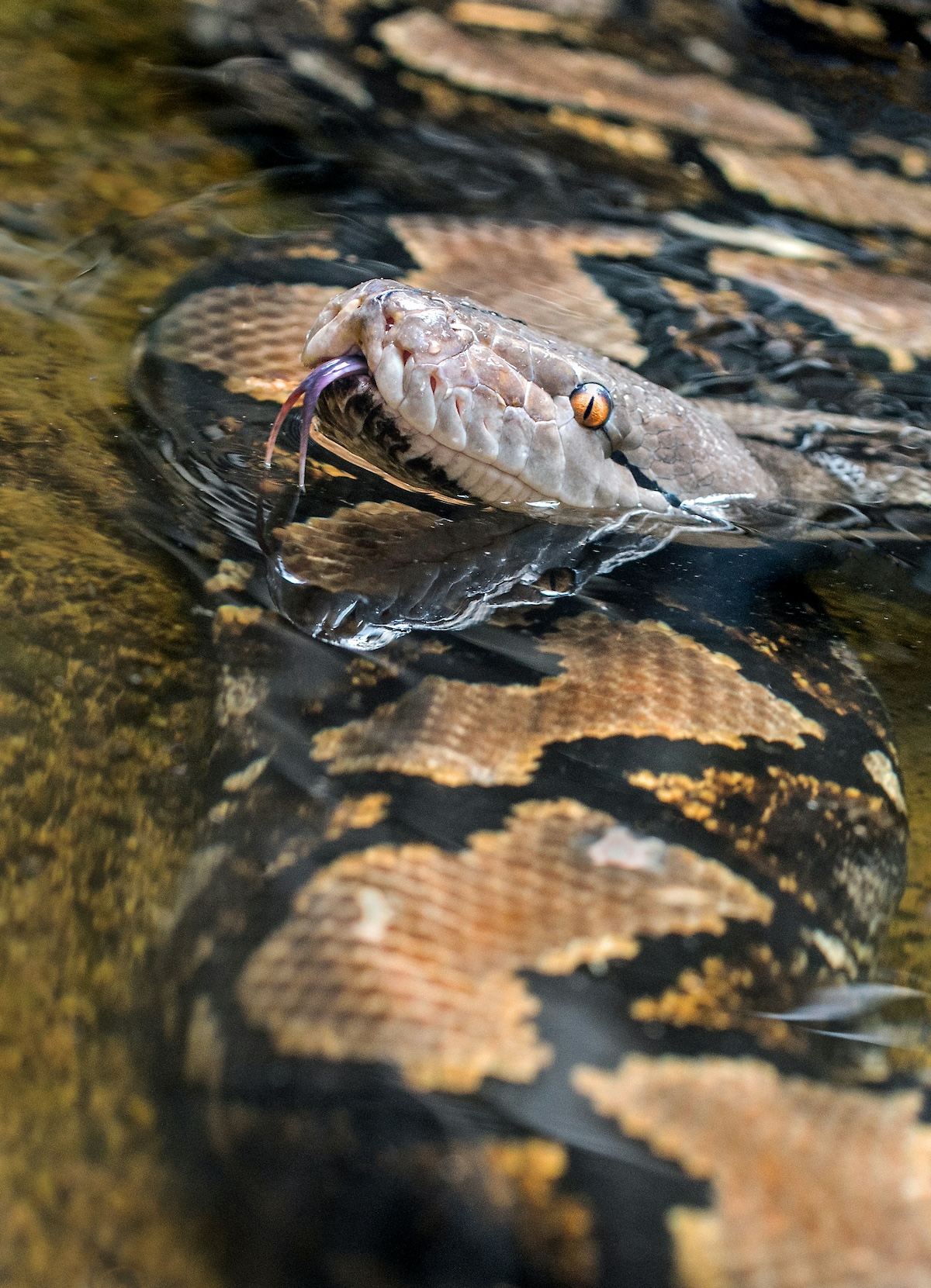
33. Reticulated Python
Though many have come to know anacondas as the largest snakes on earth, reticulated pythons have actually known to get even bigger. In 2014, a 49-foot reticulated python weighing 983 lbs. was captured in Indonesia, breaking all previous records. That's quite a bit larger than the python featured in the image above—and that's not even to say that an even bigger snake doesn't exist somewhere out there.
(via Unsplash)
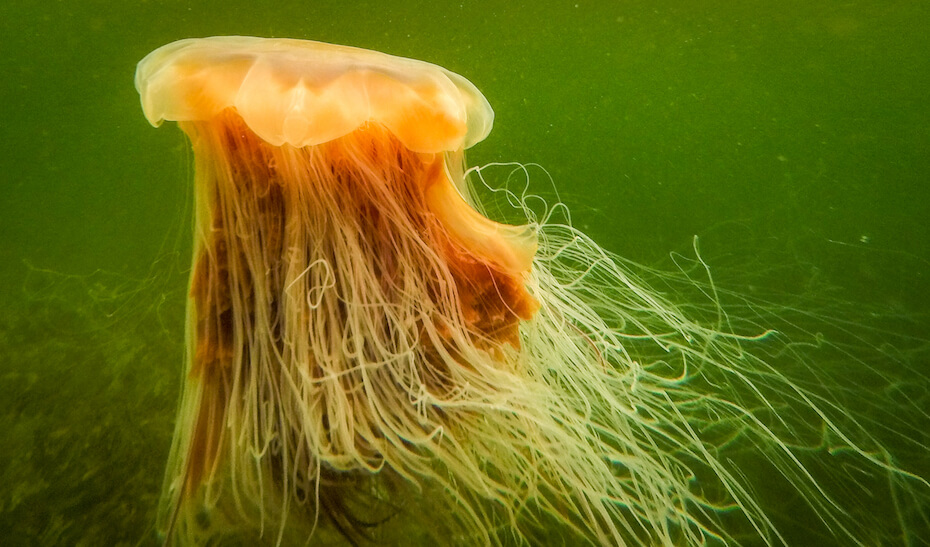
34. Lion's Mane Jellyfish
The lion's mane jellyfish is an odd one because it can vary so much in size. While some are less than an inch wide, others can have an astounding eight-foot diameter, with tentacles stretching more than 100 feet in length. It lives in frigid waters in the Arctic, northern Atlantic and northern Pacific oceans, and its tentacles are known to leave a painful sting.
(via Shutterstock)
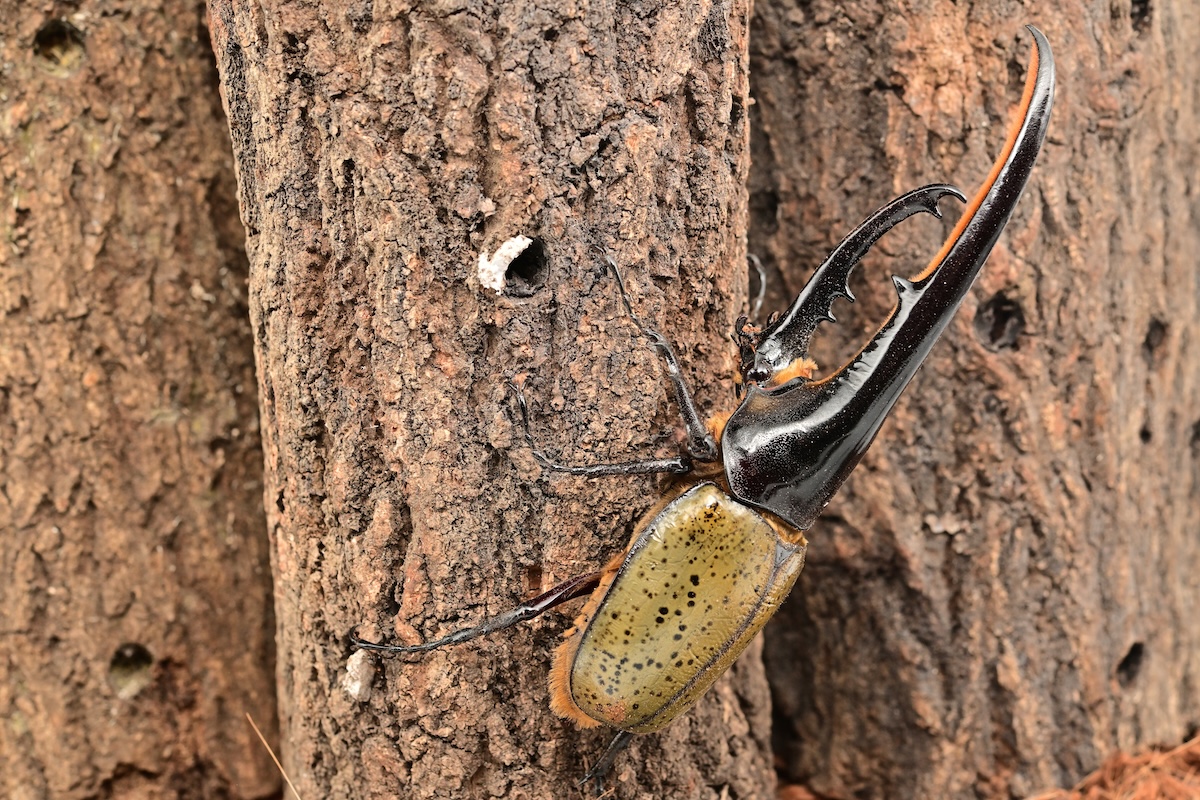
35. Hercules Beetle
While there are more than 350,000 remarkable species of beetle across the world, the Hercules beetle is the largest of them all. It's native to the rainforests of Central America as well as South America, where they forage for fruit at night and burrow under leaves during the day. The males can be up to seven inches long.
(via Shutterstock)
36. Oarfish
Oarfish may not be the biggest fish in the world, but they're certainly the largest of the bony fish alive today, with some specimens known to grow up to 26 feet in length. They tend to live deep in the ocean at more than 660 feet under the surface, and live all around the world.
Also read about: The Cute But Rascally Animal You Are, Based on Your Zodiac Sign
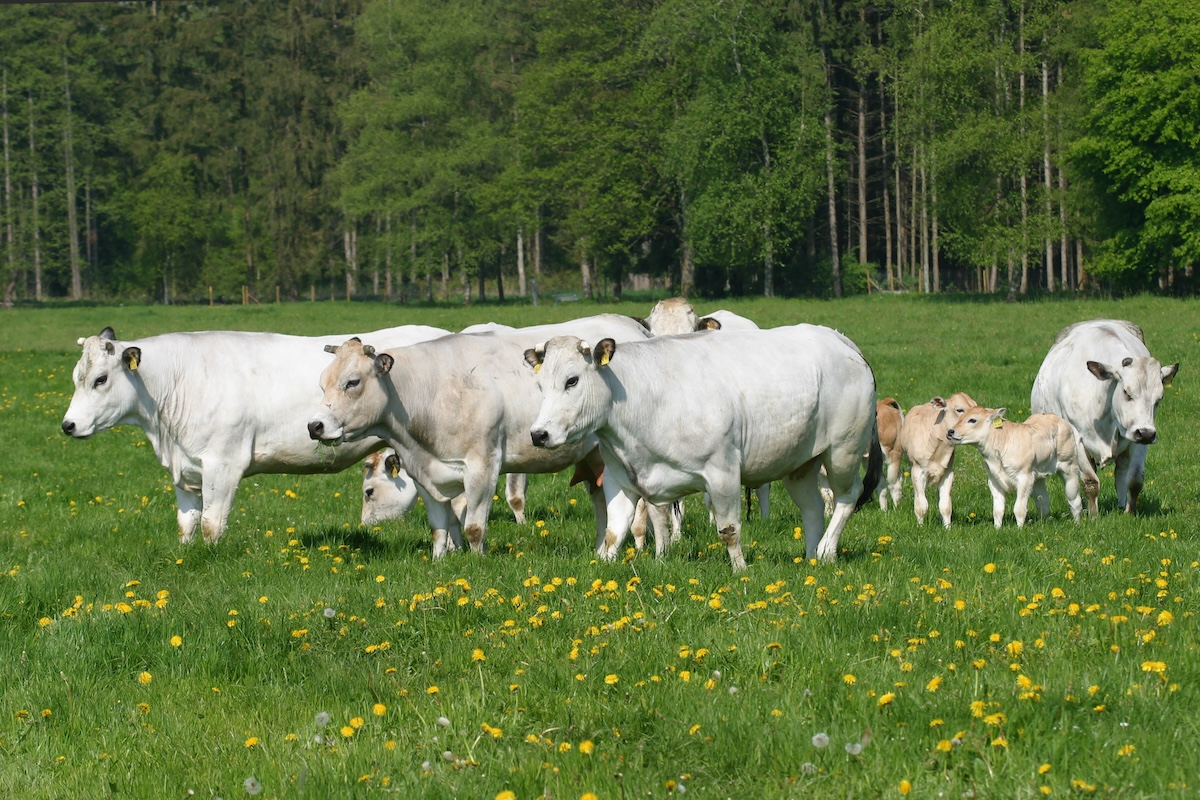
37. Chianina
The massive Chianina breed of cattle from Italy is not only one of the oldest breeds in the world, but also the biggest. It's not uncommon for the bulls to be more than six feet tall in many cases, and weigh well over a ton. It's no surprise, then, that this breed is primarily raised for beef production.
(via Shutterstock)
38. Giant Isopod
The giant isopod is appropriately named, being by far the biggest isopod in the world. It's a deep-sea creature that lives in very dark, very cold waters of the Atlantic, Indian and Pacific oceans and can grow up to 2.5 feet long there. That's very big compared to its on-land isopod relatives, such as pill bugs, which typically don't grow to be more than two inches long.

(via Shutterstock)
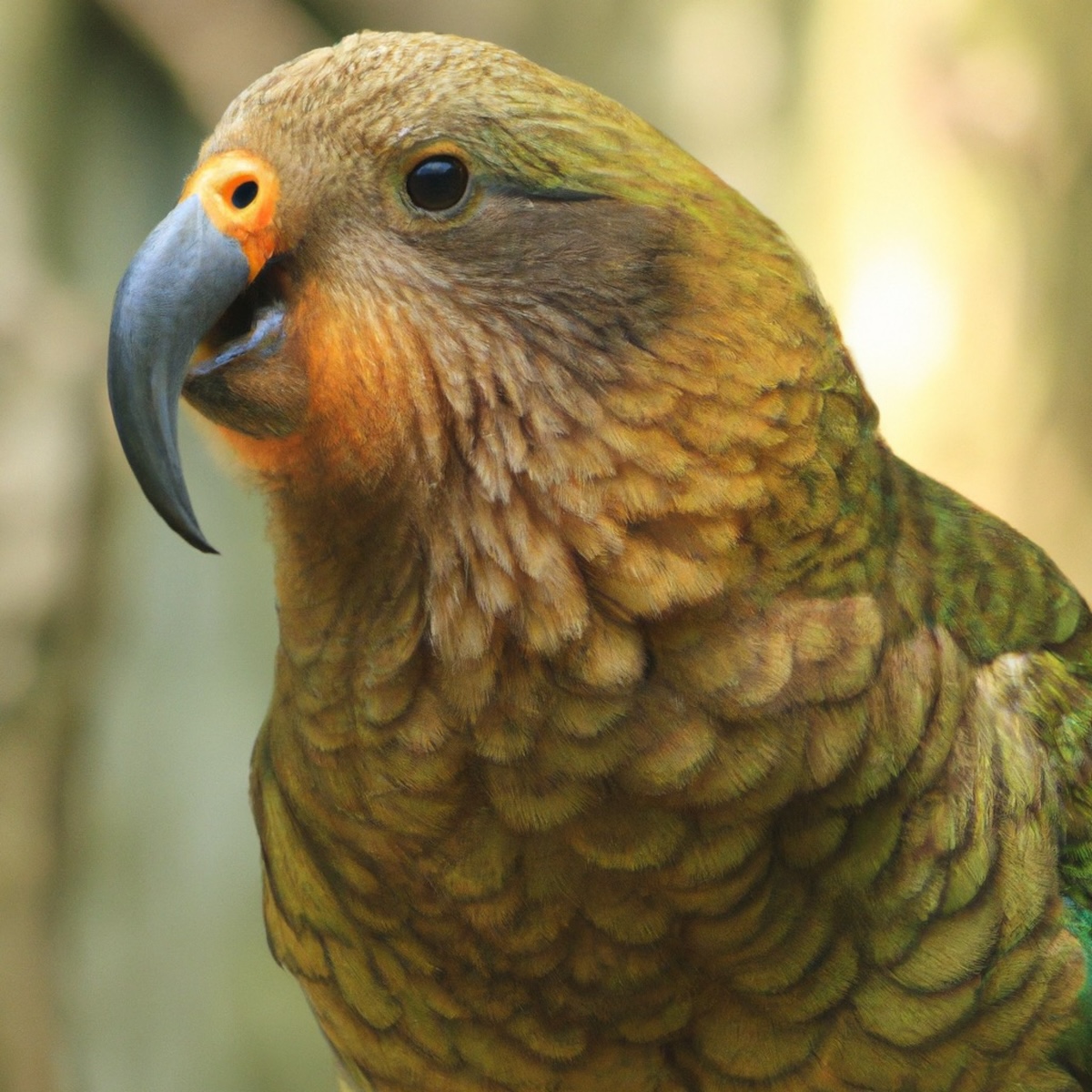
39. Kākāpō
Also known as the owl parrot, the kākāpō is the heaviest parrot in the world. How did it get so hefty? Well, it's the only living flightless parrot, thriving in pockets of New Zealand for hundreds of years due to having no natural predators, before being threatened by humans and the predators they brought along with them. Today, efforts are made to protect these special birds.
(via Shutterstock)
40. Shire Horse
The Shire is one large breed of horse. This British breed of draught horse has had the records for both the largest and tallest horse for most of history, with the largest recorded weighing more than 3300 lbs. and standing at more than seven feet. Historically, they were bred primarily for weight-pulling, and their huge size made them quite good at the job.

(via Shutterstock)
41. Giant Wētā
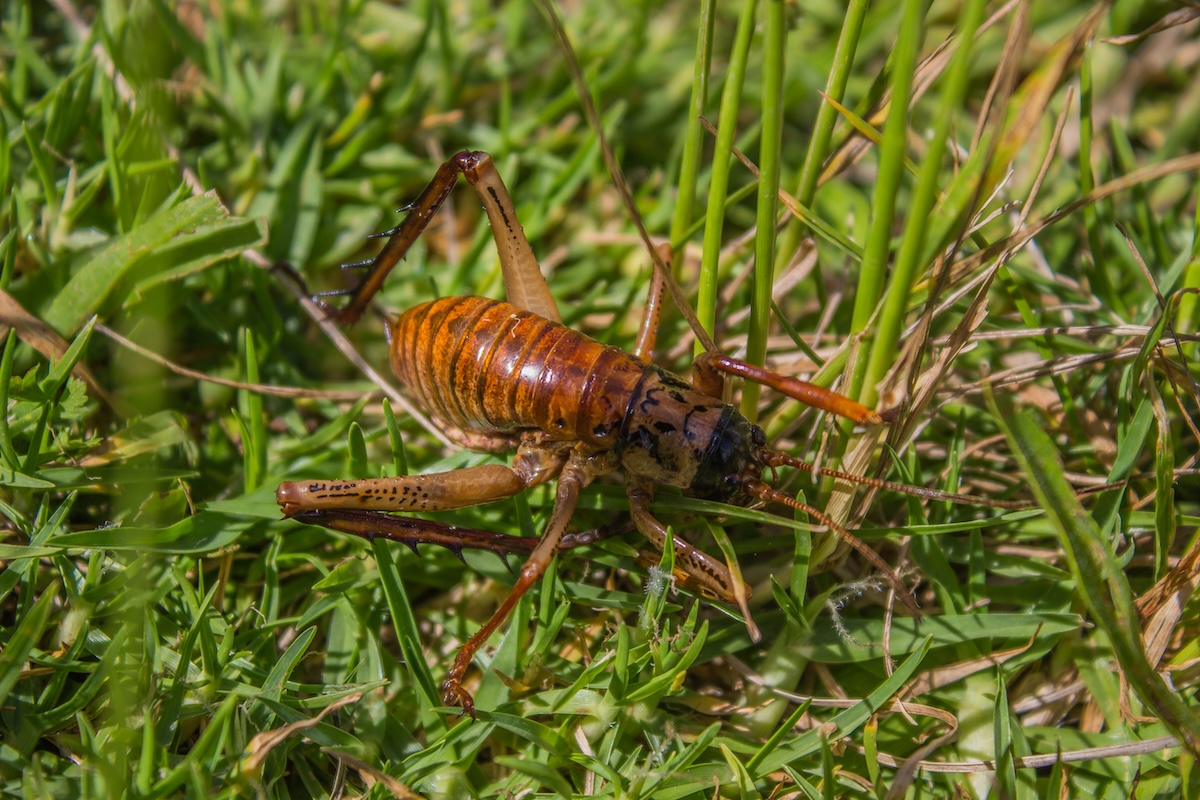
The giant wētā is yet another creature from New Zealand whose massive size is a direct result of having no predators for such a long time. In fact, they're the heaviest insect in the world, weighing up to 2.5 oz. Today, these massive bugs are at risk of extinction and protected by law.
(via Shutterstock)
42. Alaska-Yukon Moose
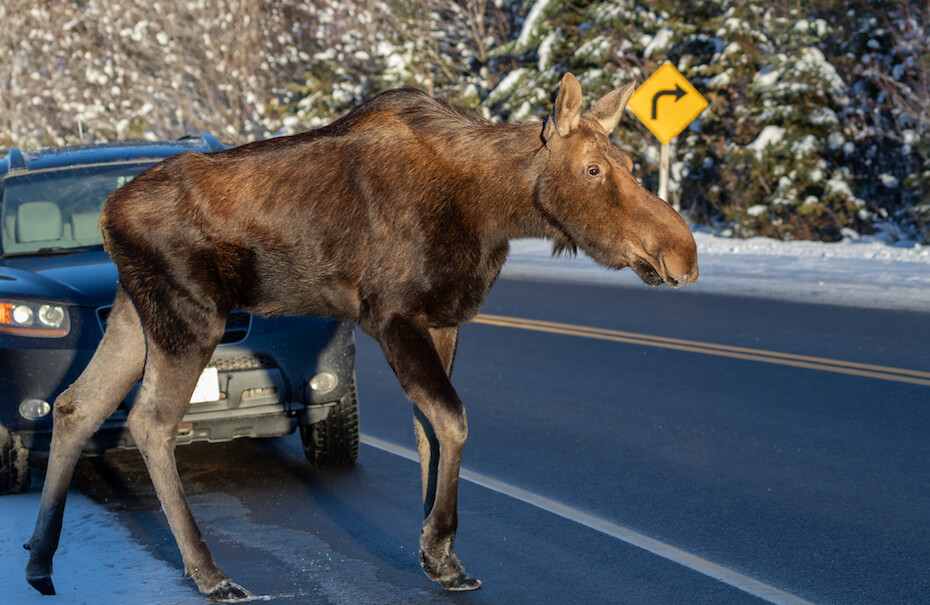
As the name suggests, the Alaska-Yukon moose roams from Alaska to western Yukon in Canada. These animals live in forests and are mostly solitary, eating a lot of vegetation in order to get to their hulking sizes. This moose species is the biggest in the entire deer family, weighing more than 1600 lbs. and standing at more than seven feet.
(via Shutterstock)
43. Giant Pacific Octopus
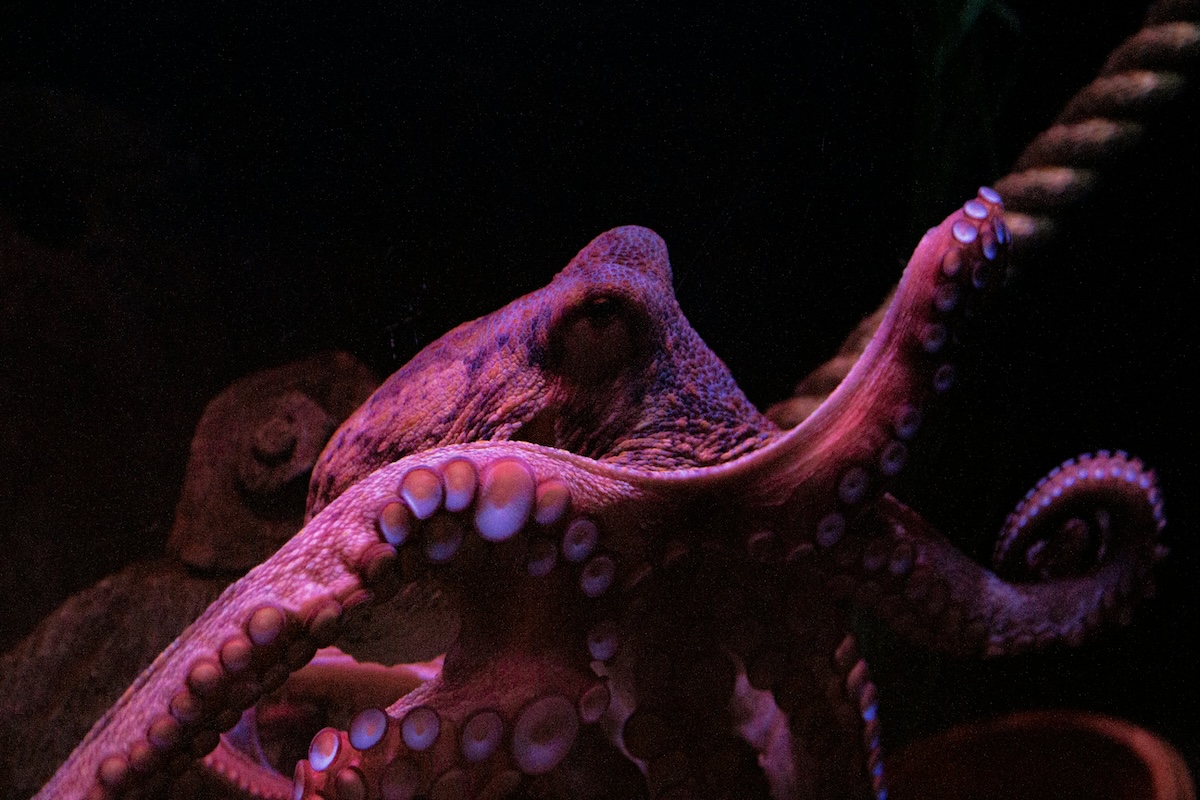
The giant Pacific octopus, which lives in the northern Pacific Ocean near the U.S. as well as Japan, is considered the biggest octopus species in the ocean. They've been recorded to weigh up to 600 lbs. and be up to 30 feet long with the tentacles outstretched. They become that big by being voracious eaters, dining on everything from shrimp and clams to lobsters and fish. They've even been spotted eating small sharks.
(via Unsplash)
44. Giant Gippsland Earthworm
Australia has more than 1000 native species of earthworm, and that includes the giant Gippsland earthworm, the largest on the planet. They're typically more than a meter long, but they've been known to reach nearly 10 feet in length, and they can expand their bodies to make them seem even bigger.
45. Poland China
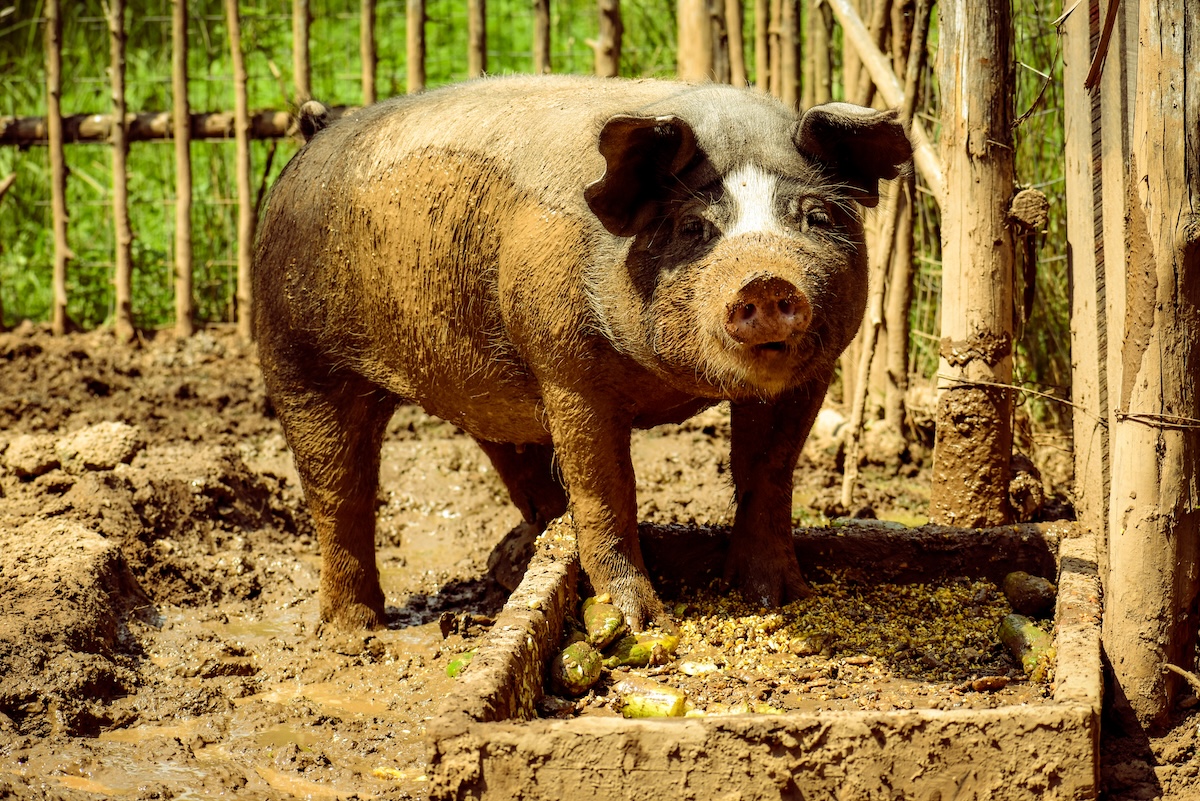
In addition to being the oldest pig breed in the United States, the Poland China holds the record for being the largest pig in recorded history. These pigs are relaxed and friendly, but perhaps their most important quality is that they're hungry. They love to eat, which is how they get to be so massive, with one pig named Big Bill weighing more than 2500 lbs. Understandably, they're prized for their meat.
And by the way, if you're afraid of spiders, you may want to avoid scrolling through to the next and final entry!
(via Shutterstock)
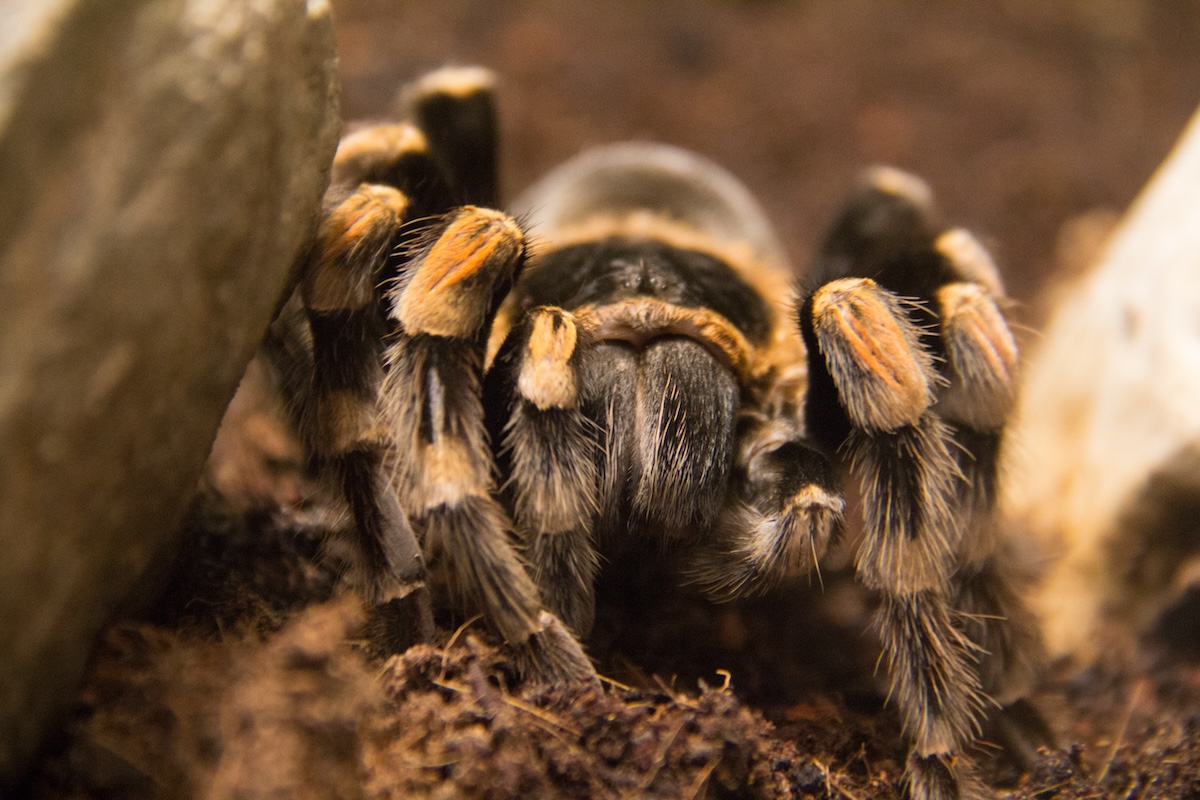
46. South American Goliath Birdeater
This is one spider that arachnophobes do not want to run into. The South American Goliath bird eater measures up to a foot in length, including the legs. Despite the name, this tarantula has only been known to eat birds on occasion. More often, it eats other arthropods, as well as worms and amphibians.
(via Shutterstock)
Love knowing all about animals? Click HERE to discover the 26 dumbest dog breeds.