Fall Festivals and Holidays Celebrating Around the World That Everyone Should Know About
We can't wait for the fall season to officially arrive, and it's not just because some of our favorite holidays, including Halloween and Thanksgiving, arrive in the autumn months.
It's also a time to embrace everything fall has to offer, including the cozy vibes that come with cooler weather, remembering loved ones and practicing gratitude for bounty and prosperity. These themes come up in fall celebrations all over the world, and below, we've collected some of the most interesting autumn festivals and holidays, and when they'll be celebrated specifically in 2025.
Autumnal Equinox – Sep. 22
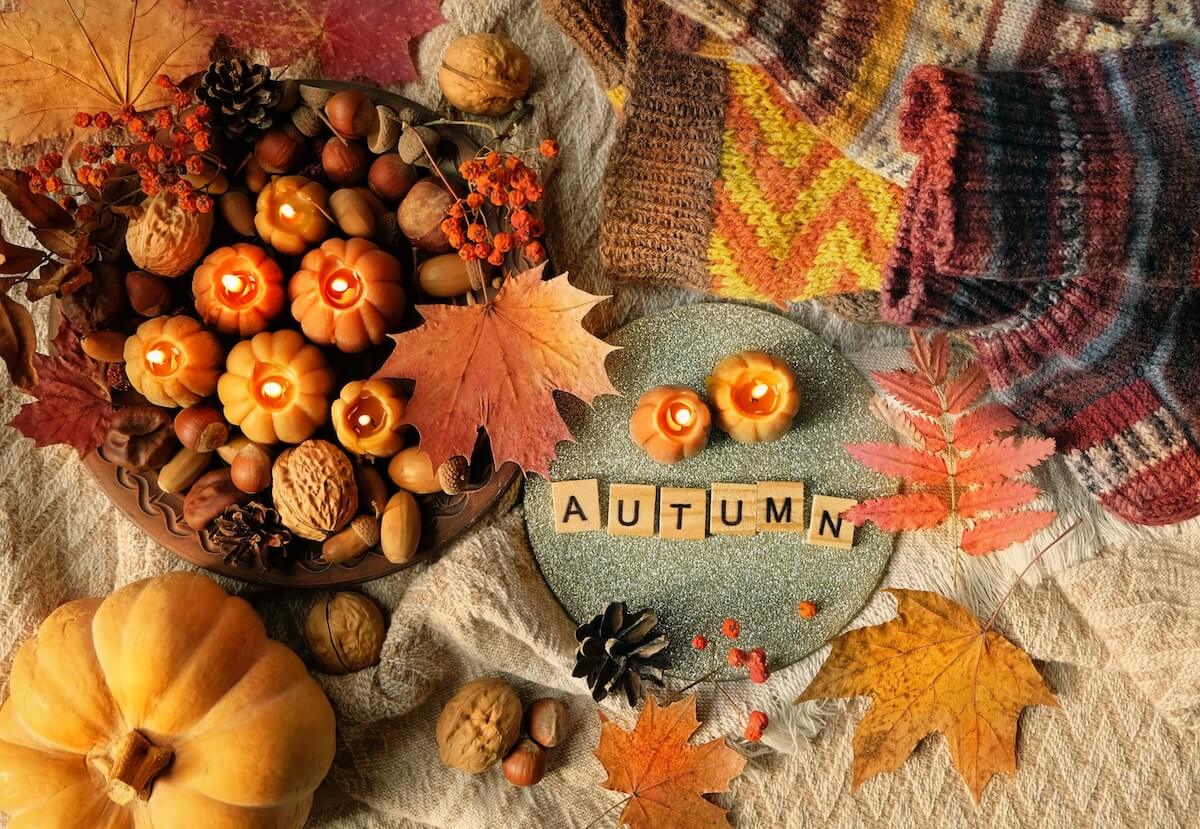
Most of us don't think too much about the autumnal equinox, but we also feel like it's an event worth celebrating. It happens when the sun appears directly over the equator, so day and night are exactly equal in length, and this year, it arrives on Sep. 22. There's a pagan celebration of the equinox called Mabon, which focused on appreciating bountiful harvests and reflecting on the changing of the seasons in preparation for what's to come.
(via Shutterstock)
Erntedankfest – Oct. 5
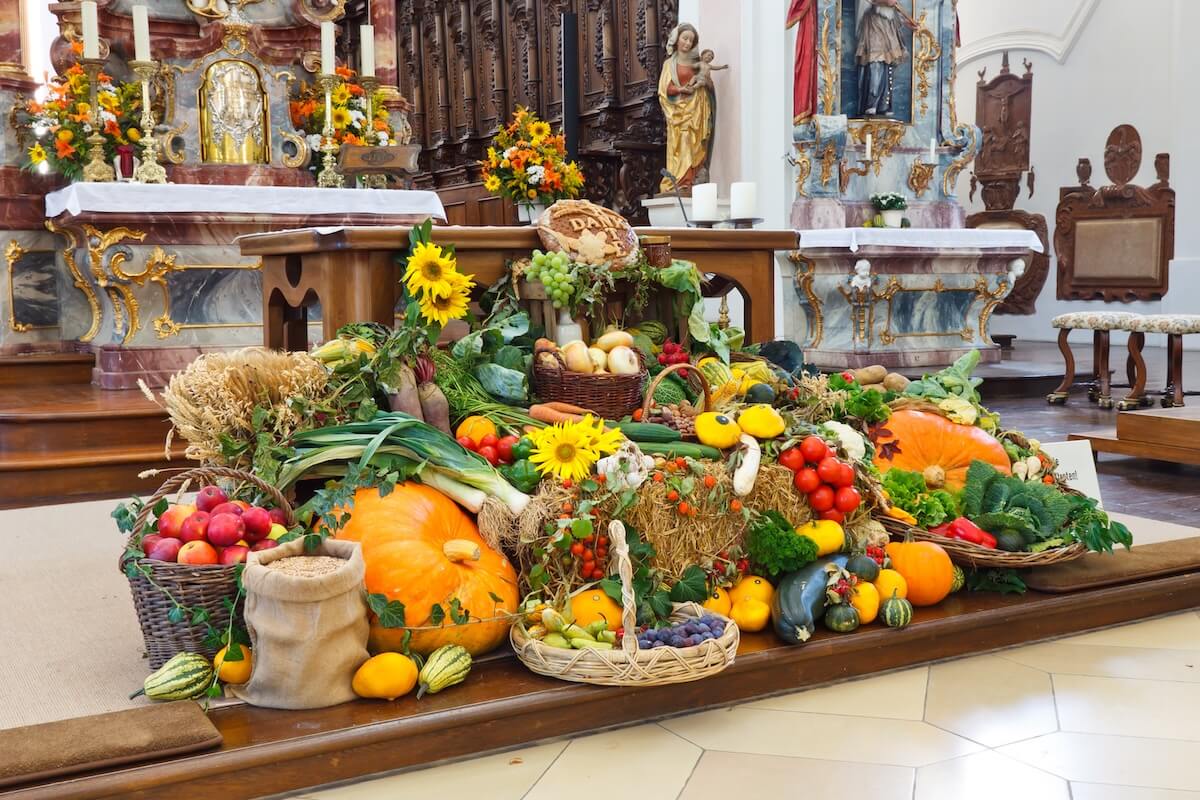
Erntedankfest (literally harvest thanks festival) is much like a German equivalent to American Thanksgiving. It's a major celebration of successful and plentiful harvests that usually includes going to church, where altars are decorated with produce and what, following by festivities including singing, dancing and fireworks.
(via Shutterstock)
Mid-Autumn Festival – Oct. 6
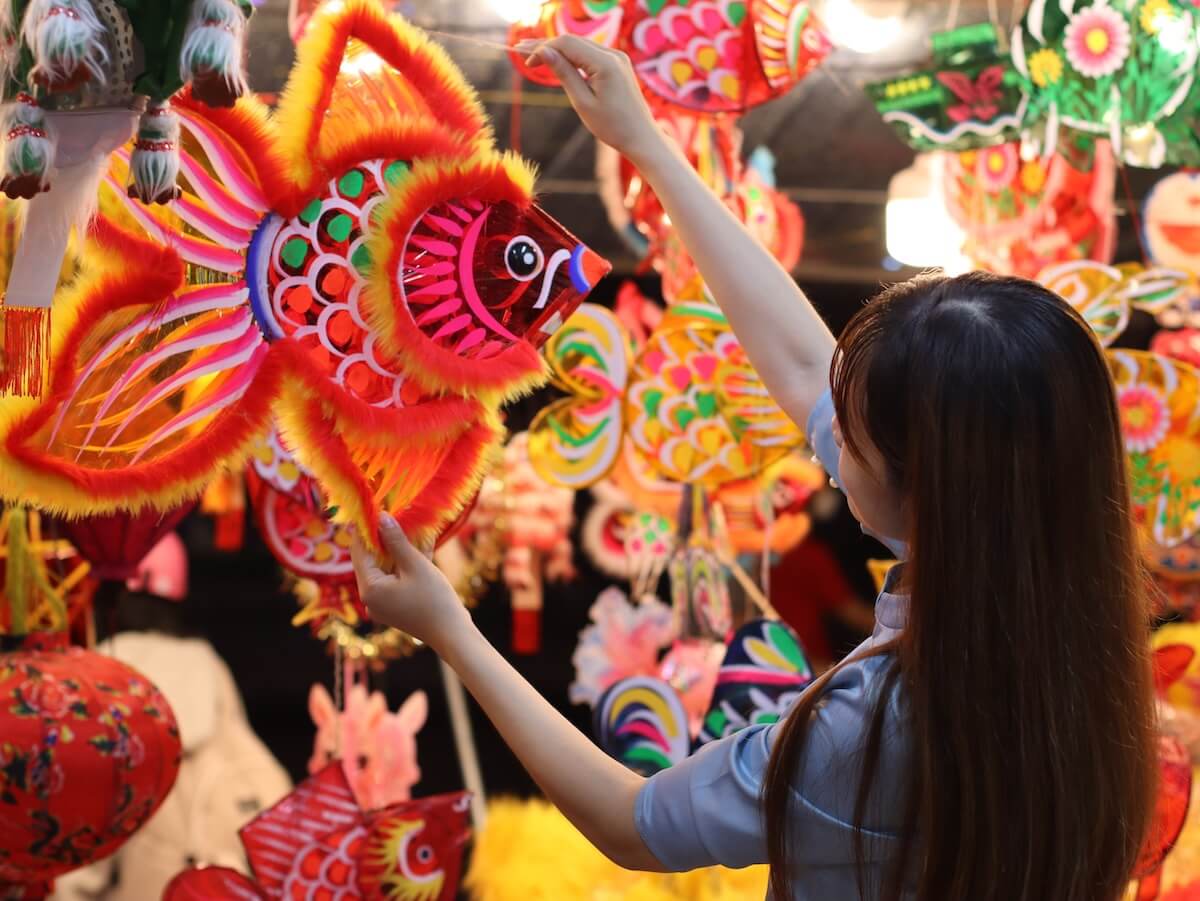
China's Mid-Autumn Festival, also known as the Moon Festival, is one of the most anticipated holidays of the year. It's dedicated to the moon goddess, Chang'e, who, according to legend, was married to a great archer who won an elixir of immortality for both himself and his wife. When his apprentice tried to steal the potion, she instead drank all of it, and decided to fly up into the heavens and live on the moon so she could always observe her love from up high. Even today, the moon takes center stage during the festivities, with celebrants eating traditional mooncakes, watching the moon and reuniting with family members.
(via Shutterstock)
Also read about: The Best Instagram Captions for When You're at a Fall Wedding
Chuseok – Oct. 6 to Oct. 8
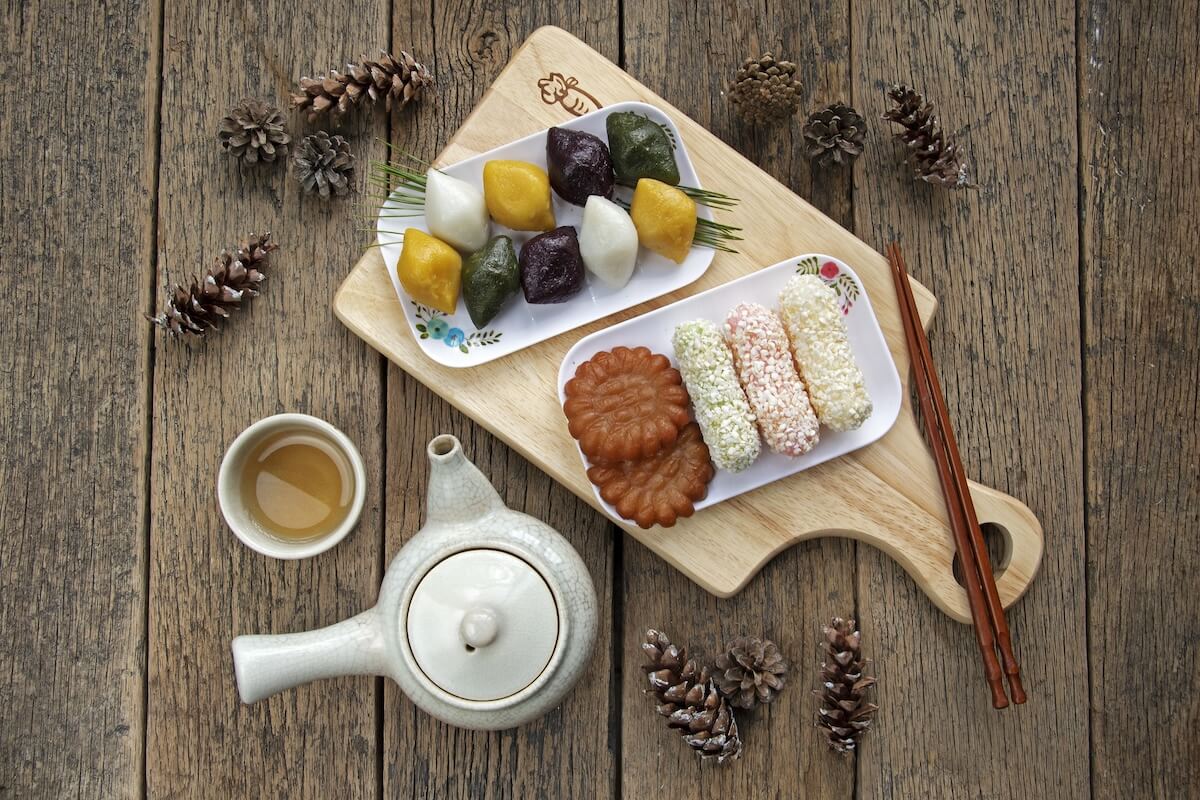
Korean's Chuseok takes place around the same time as the Mid-Autumn Festival, but the celebrations are slightly different. This three-day holiday is another harvest festival that celebrates bounty, seeing families join over meals and remembering their ancestors. During this time, the meals typically includes a sweet filled rice cake called songpyeon.
(via Shutterstock)
Samhain – Oct. 31 and Nov. 1
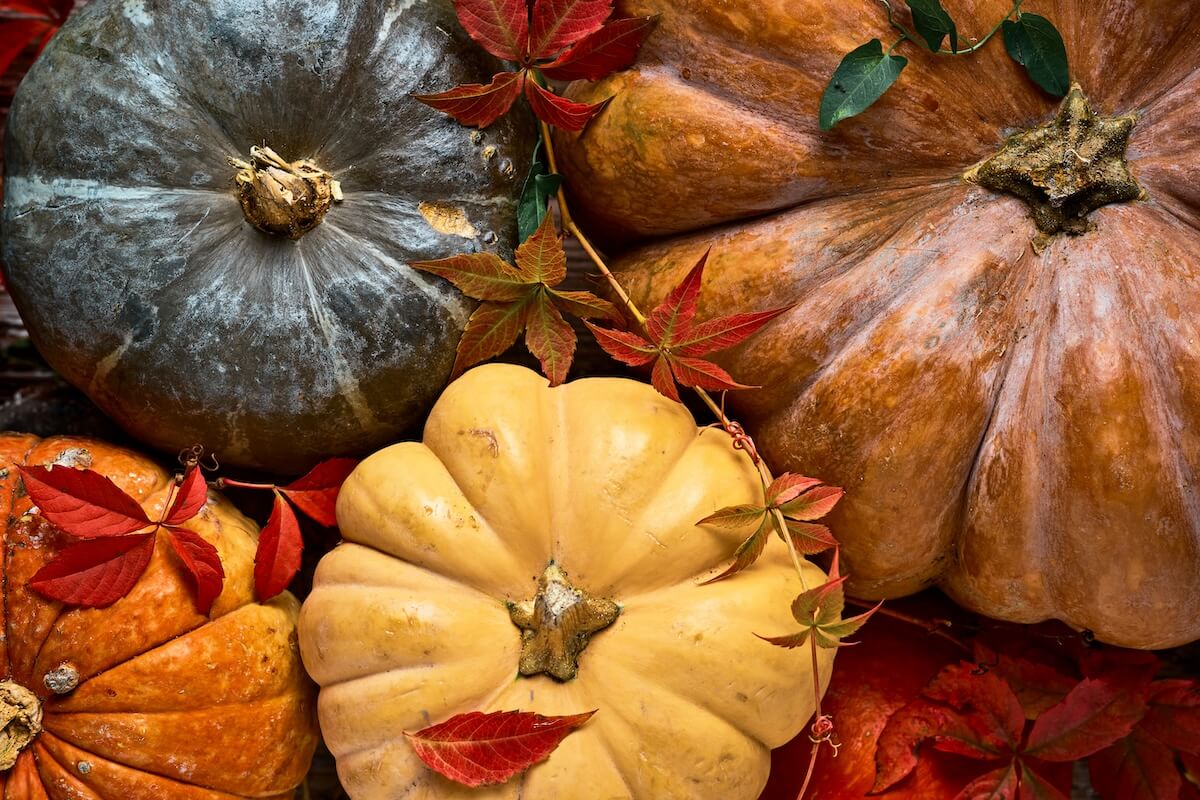
The Gaelic festival of Samhain (pronounced "saw-win") comes from the Irish and Scottish word for the month of November, noting the end of the harvest and the arrival of the darkness of winter. Arriving about halfway between the autumnal equinox and winter solstice, it begins on Oct. 31 at sunset and ends on sunset the following day. Celebrations typically include lighting towering bonfires to bask in their warmth, as well as wearing costumes to frighten away spirits with ill intent.
(via Shutterstock)
Día de los Muertos – Nov. 2
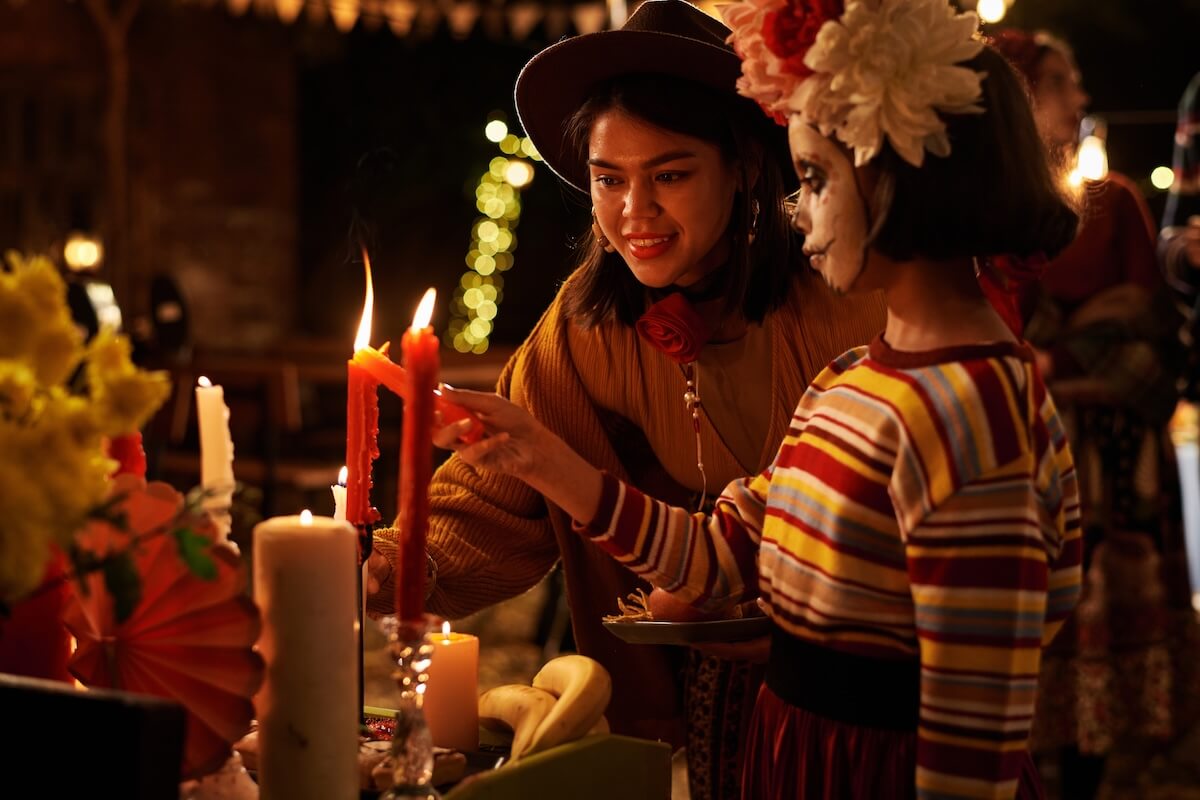
Día de los Muertos, or the Day of the Dead, is a commonly celebrated holiday throughout Mexico that's all about honoring and remembering people who have passed on. It's a colorful and lively celebration that involves visiting graves and setting up altars with photos of the deceased and offering up their favorite things, including food, in their memory. Festivities also include the painting of calavera (skull) makeup, bold parades and trading sweet, skull-shaped treats.
(via Shutterstock)
Also read about: 6 Ways to Seamlessly Take Your Summer Wardrobe Into Fall
Festa dei Morti – Nov. 2
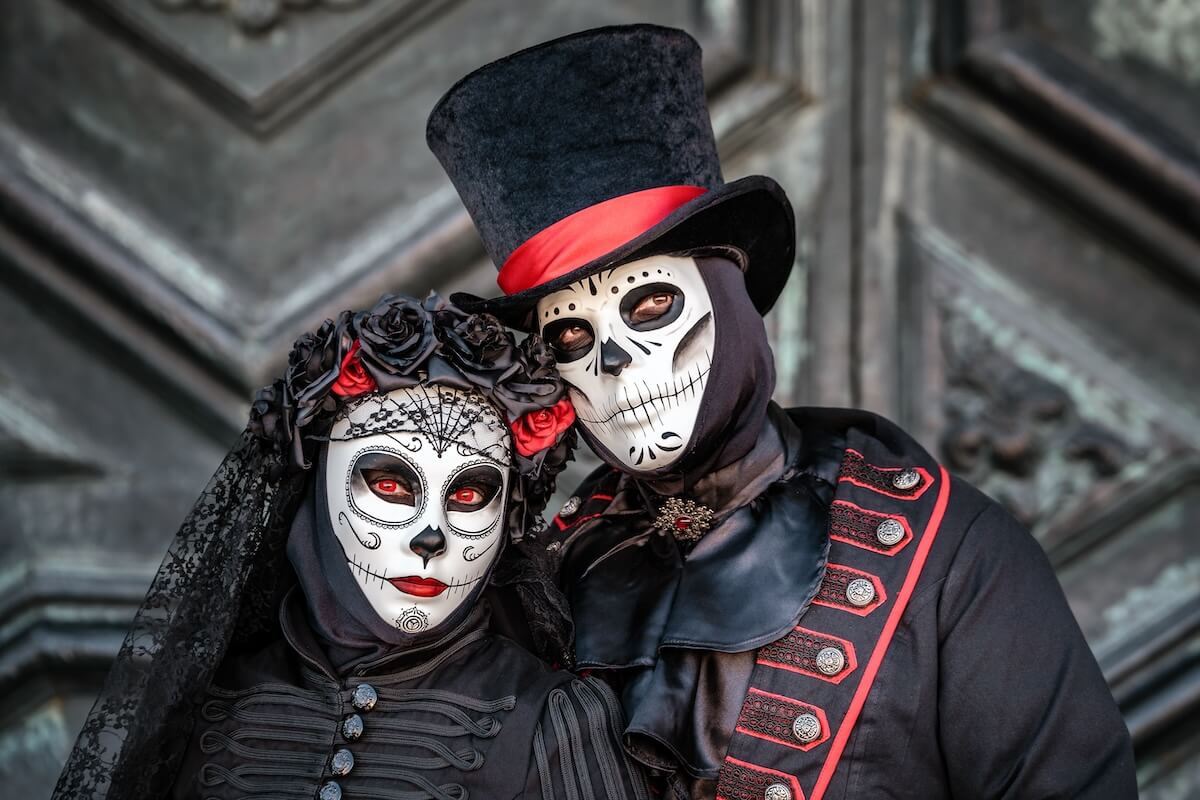
Italy's Festa dei Morti (Festival of the Dead) celebrations share a few things in common with Mexico's, though the events also have their major differences. The festival emphasizes fun and celebration, as well as remembrance, with families setting a place at the table for their lost loved ones and piling their plates with their favorite foods. It's also celebrating with Pupi ri Zuccaru, or sugar puppets, which decorate traditional baskets called a canestro and are often joined by colorful marzipan fruits called frutta martorana.
(via Shutterstock)
Martinmas – Nov. 11
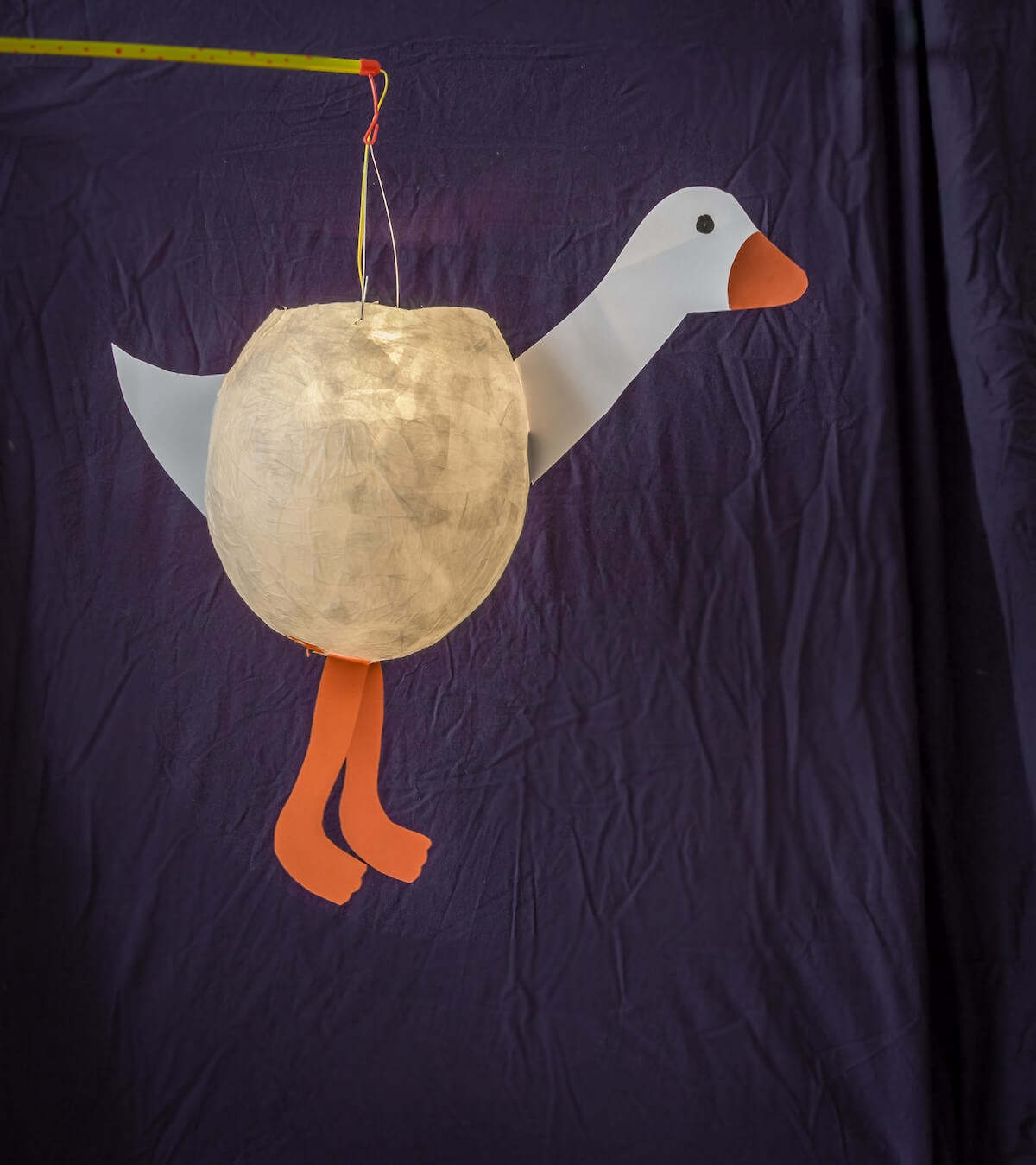
Martinmas, or St. Martin's Day, is celebrated mostly in Germanic-speaking parts of Europe and is yet another autumn day of feasts. It marks the time when the wheat seeds have all been planted ahead of the winter, and traditionally involves eating beef as well as geese, concluding with children marching around carrying bright lanterns.
(via Shutterstock)
Sticking to the U.S. this fall? Click HERE to discover some of the most Instagram-worthy autumn locations across the United States.