The 35 Greatest Movies of the ’60s
The 1960s were a big moment in movie history.
Known as a decade of change, the '60s ushered in a time of cinematic innovation full of films that were totally outside the accepted norm of the time. While old-fashioned Westerns and musicals were still popular, the decade introduced audiences to brand new possibilities in big-screen entertainment.
But which of these groundbreaking films truly made their mark on history? We have the answer. Keep scrolling for the 35 greatest movies of the '60s.

(Mary Poppins via Buena Vista Pictures)
Mary Poppins
Yes, the original Mary Poppins finds its home in the '60s. Released in 1964, the movie stars Julie Andrews, who shows off her singing talent in the film's catchy tunes. Telling the story of a magical housekeeper who descends from the sky riding an umbrella, Mary Poppins is still considered a film classic. While the new remake revitalizes the story for today's audiences, nothing can replace the original story of Mary Poppins.
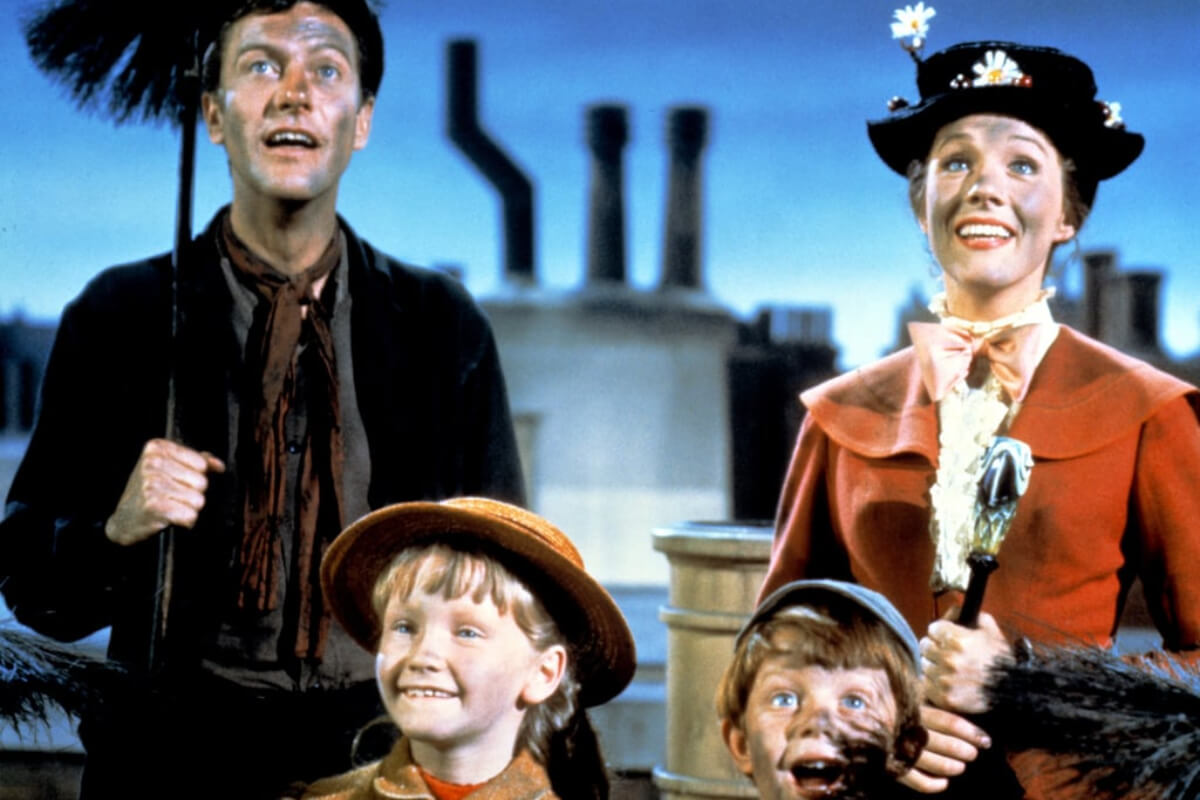
(Mary Poppins via Buena Vista Pictures)
The Jungle Book
Of course, no decade would be complete without the emergence of a Disney classic. Released in 1967, The Jungle Book was an immediate success among filmgoers. The movie earned over $200 million dollars at the box office worldwide, quickly establishing it as one of the most successful movie releases in history. To this day, The Jungle Book still wows young audiences who can't get enough of Mowgli's life among his furry friends.
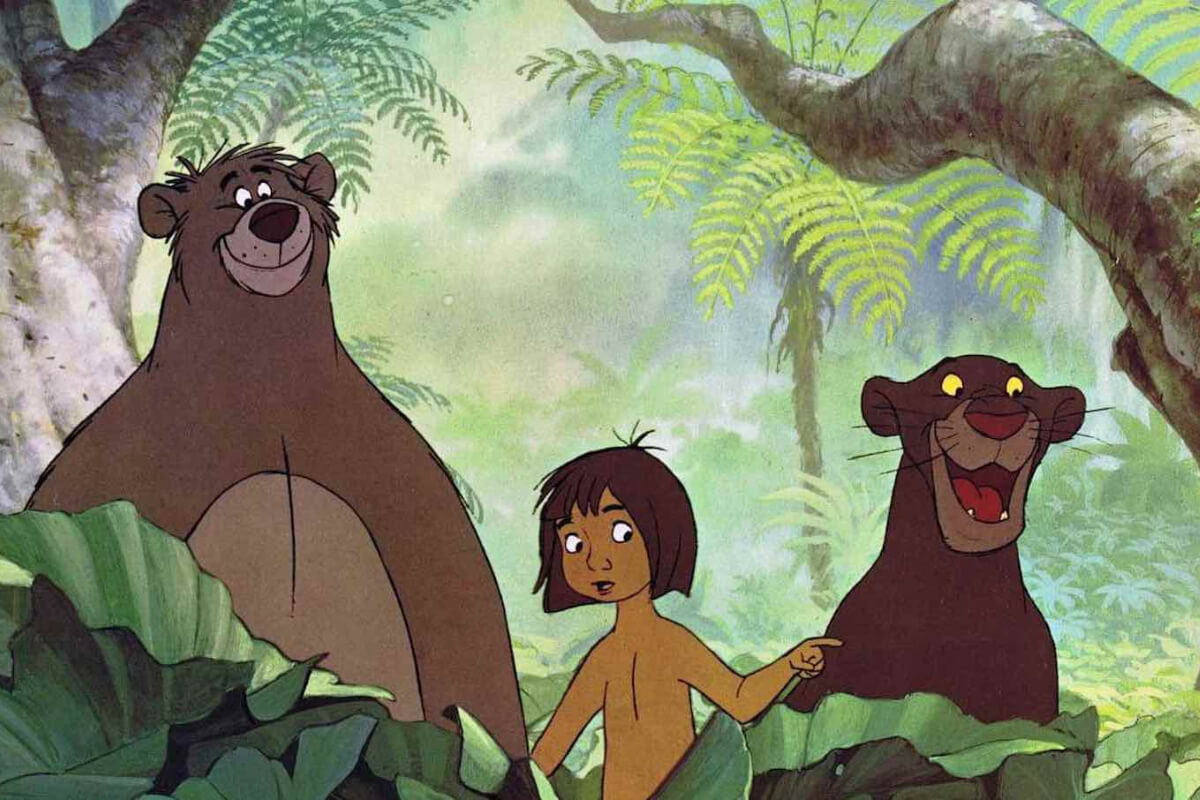
(The Jungle Book via Buena Vista Pictures)
To Kill a Mockingbird
To Kill a Mockingbird is another classic film that just so happened to be released in the 60s. This film tells the story of a small-town lawyer who must defend an African American man from unfair charges. Taking place in the Depression era, the film paints a picture of the struggles of the average American in dealing with racism, poverty, and prejudice. It's a much-loved film that will never entirely lose its appeal.
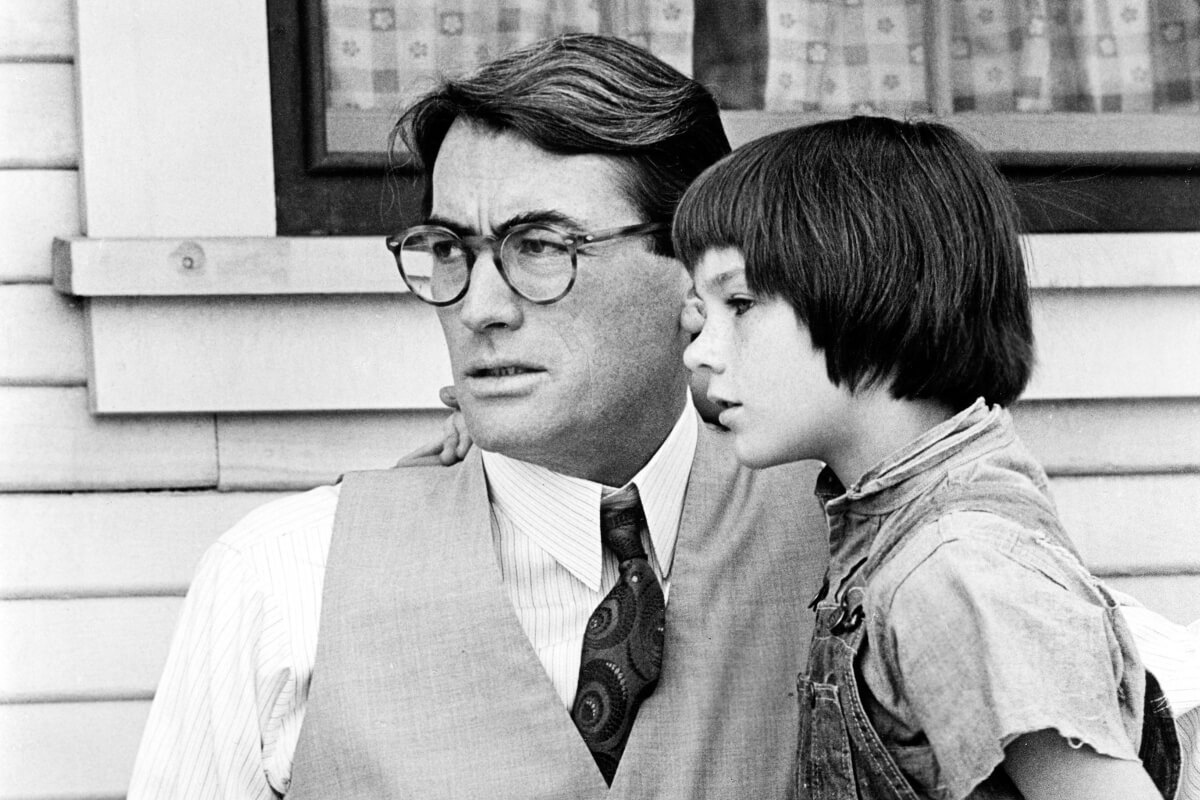
(To Kill a Mockingbird via Universal Pictures)
The Sound of Music
Starring a young Julie Andrews, The Sound of Music was an immediate success among movie audiences. The story of a former nun who ends up nannying seven children in Austria during the 1930s, The Sound of Music won five Academy Awards after its release. The story of the family also ties into the beginnings of World War II and one family's efforts to escape Germany's brutality. Filled with popular songs, this 1965 movie is still a hit to this day.
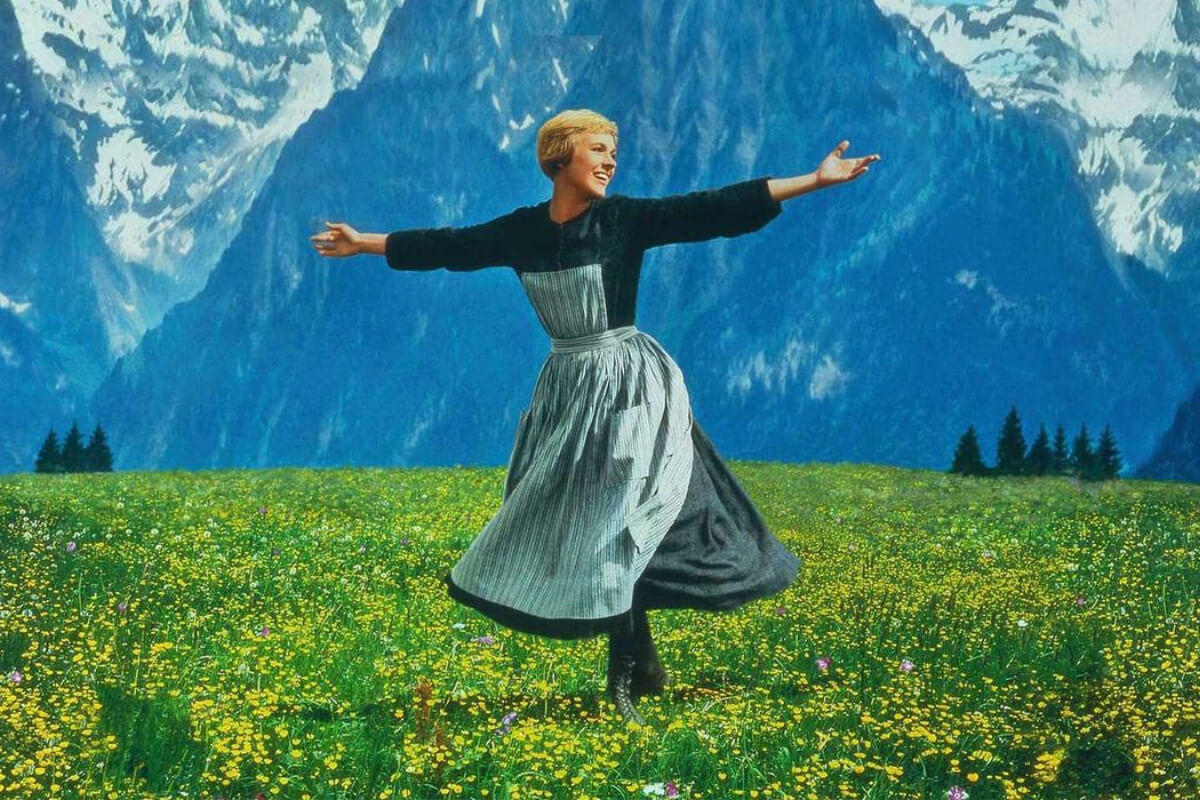
(The Sound of Music via 20th Century Fox)
Planet of the Apes
While there are plenty Planet of the Apes movies floating around today, the franchise had to start somewhere. The first film was released in 1968 and focused on a human astronaut who crash-lands on a planet ruled by apes. While the movie was difficult to bring together, in large part because of issues surrounding makeup and art, the final product was a success. The film spawned numerous remakes, sequels, and revivals, which keeps the story alive even today.
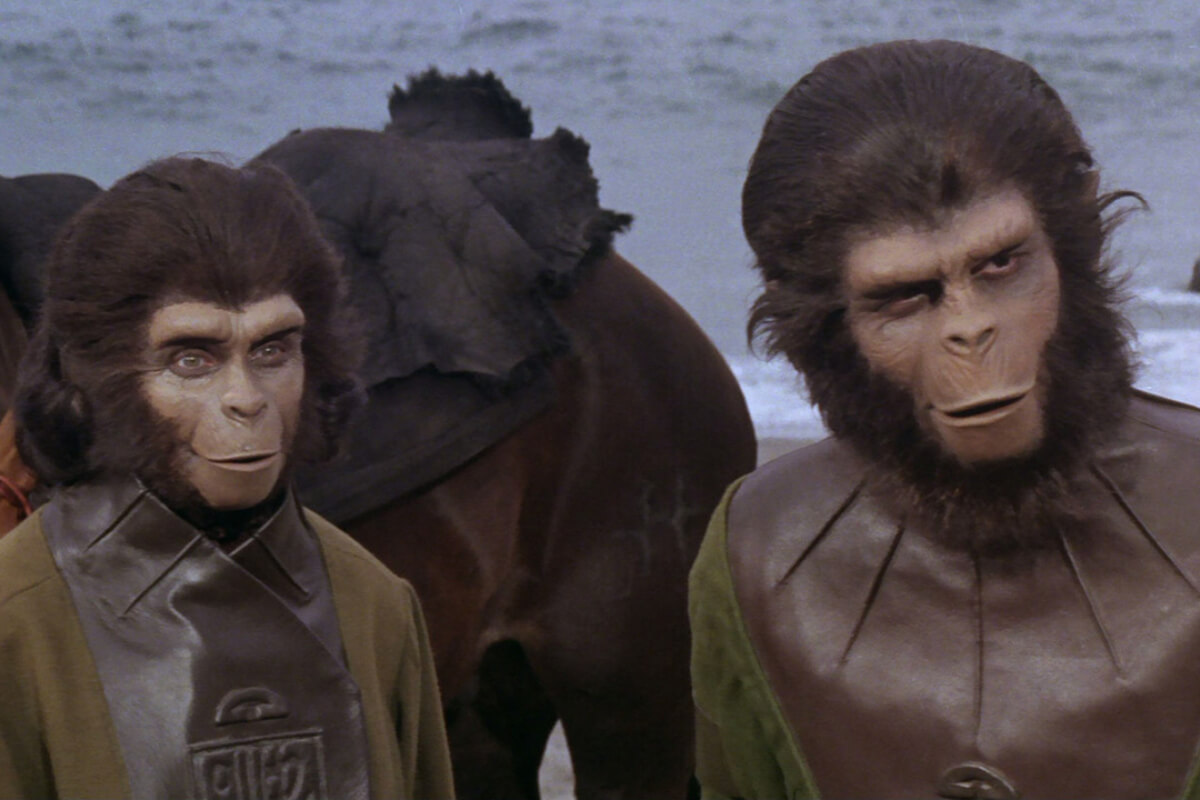
(Planet of the Apes via 20th Century Fox)
My Fair Lady
Released in 1964, My Fair Lady was actually adapted from a Broadway musical. The film tells the story of a phonetics professor who makes a bet that he can transform a low-class girl into a member of high society. Featuring Audrey Hepburn as Eliza Dolittle, the film immediately resonated with audiences. Hepburn even received a Best Actress nomination at the 1965 Academy Awards. However, she lost to Julia Andrews, who was nominated that year for her work as Mary Poppins.
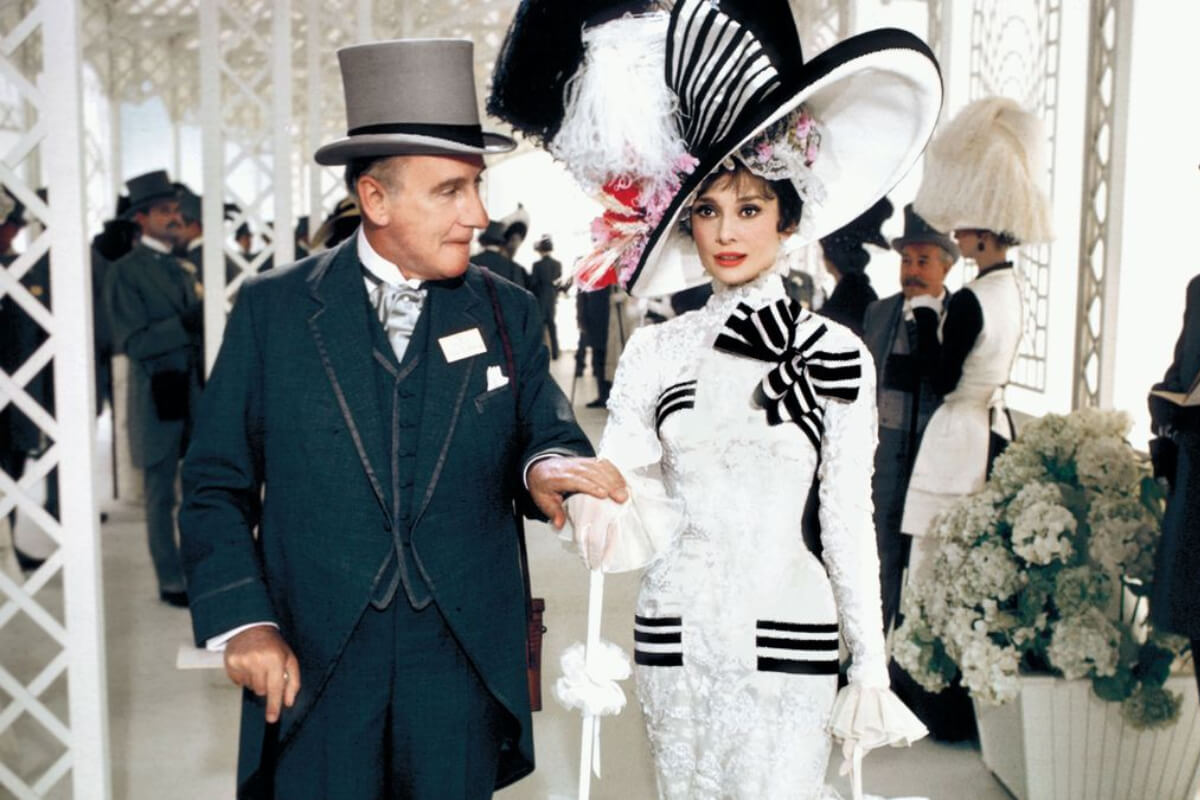
(My Fair Lady via Warner Bros.)
West Side Story
While many films released in the '60s featured gritty, gore-filled scenes, the early years of the decade were still marked by the release of many musicals, including West Side Story. A twist on the Romeo and Juliet tale, West Side Story focuses on two rival gangs fighting for power in New York City. While somewhat dark and sad, the movie was also filled with catchy songs and thrilling dance sequences. After its release, West Side Story won a shocking ten Academy Awards.
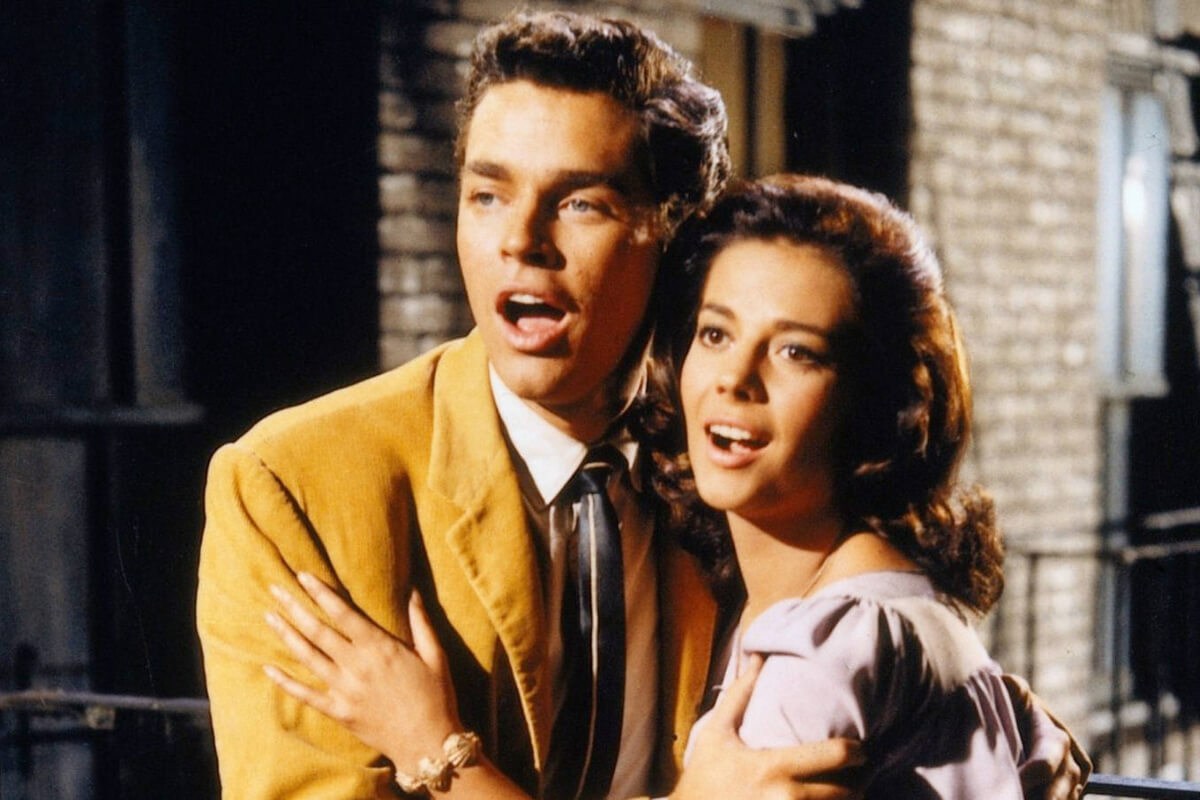
(West Side Story via United Artists)
Breakfast at Tiffany's
Audrey Hepburn was an undeniable star in the '60s and beyond. In 1961, she wowed audiences with her performance in Breakfast at Tiffany's. The classic film tells the story of a gorgeous socialite with a fear of emotional attachment. Instead, she prefers to focus on the finer things in life, rather than building a relationship. Of course, all that changes when she meets a handsome young man with a similar mindset to hers. The film is still much-loved by audiences around the world and is the source of many a Halloween costume for young women.
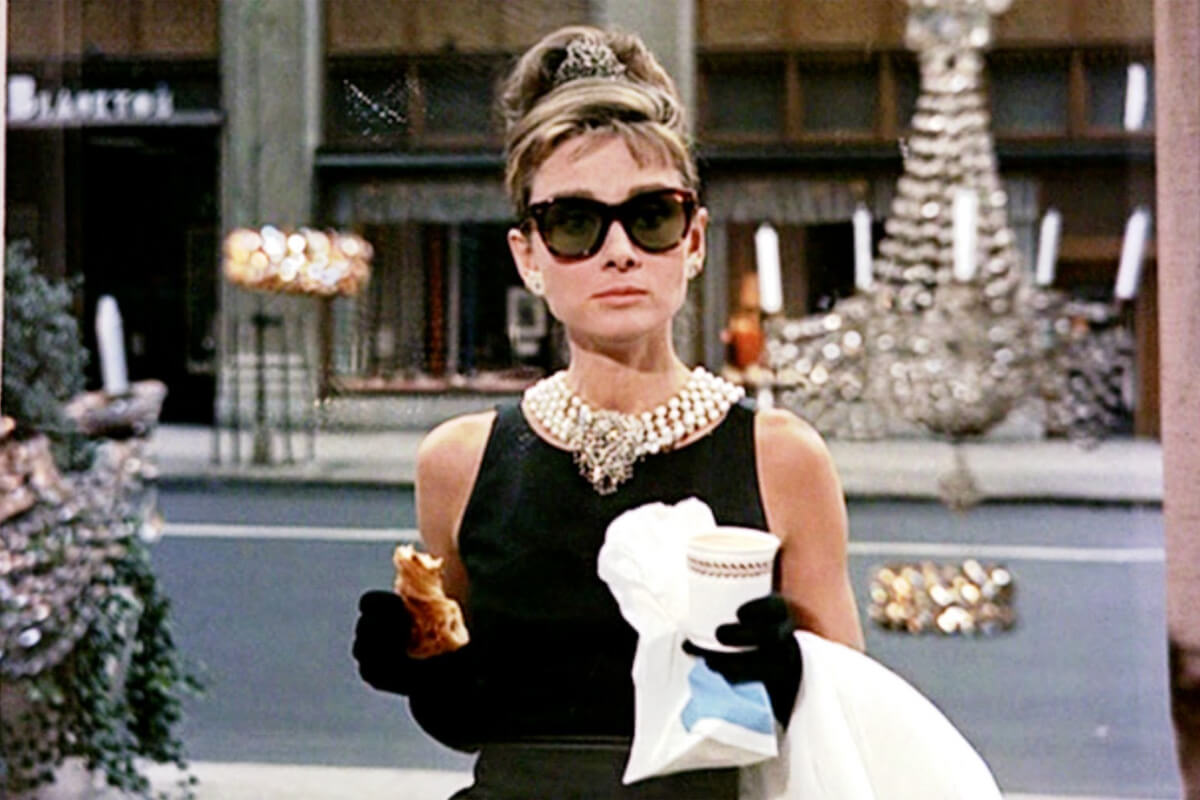
(Breakfast at Tiffany's via Paramount Pictures)
Spartacus
Released in 1960, Spartacus tells the story of a slave who leads the revolt against the Roman Republic. Under director Stanley Kubric, Kirk Douglas plays the lead in this film and brings the story to life. Douglas actually had a falling out with the film's first director, which is what led to Kubrick being brought on board. Under his direction, the film transformed into a cinematic classic.
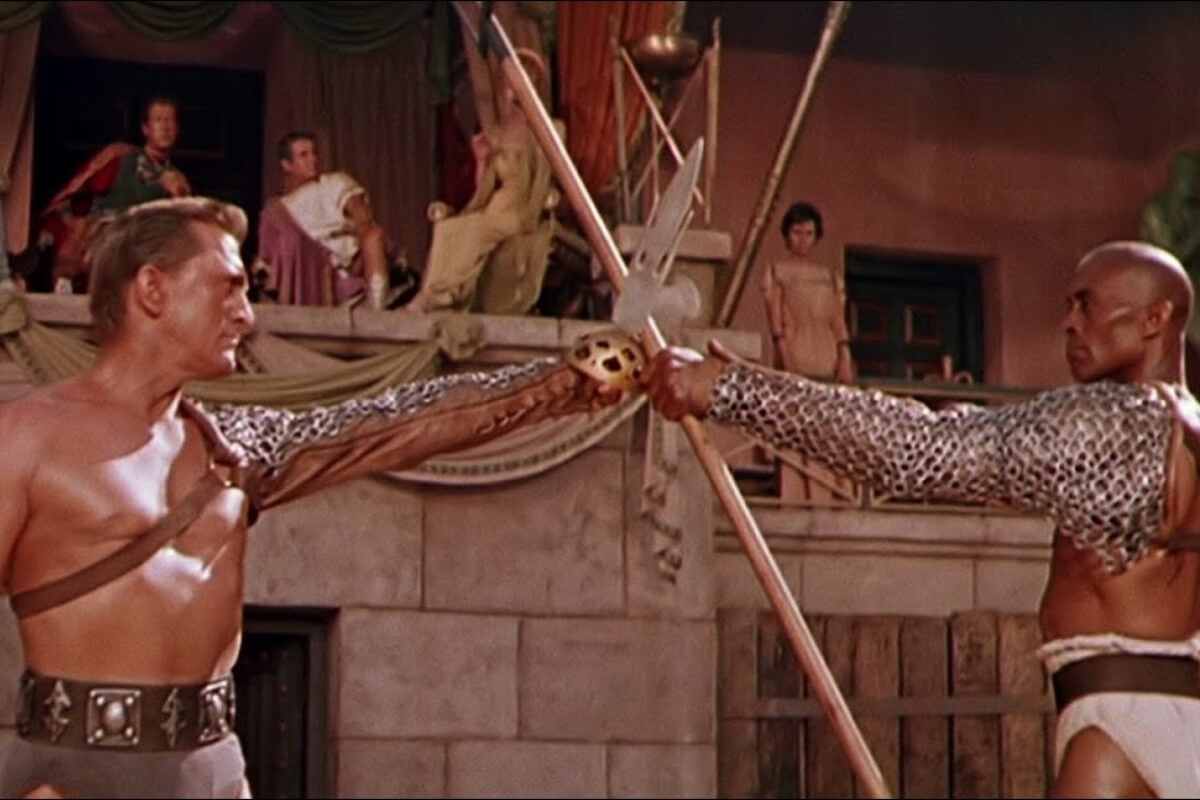
(Spartacus via Universal International)
Charade
Unlike other films on this list, Charade actually veers more closely to Hollywood's old cinematic style, largely ignoring the change brought on during the '60s. Released in 1963, the film stars Audrey Hepburn as a woman dealing with the fallout from her husband's murder. A classic thriller, this movie combines suspense with a swoon-worthy romance, quickly establishing it as a favorite in the minds of audiences across the world.
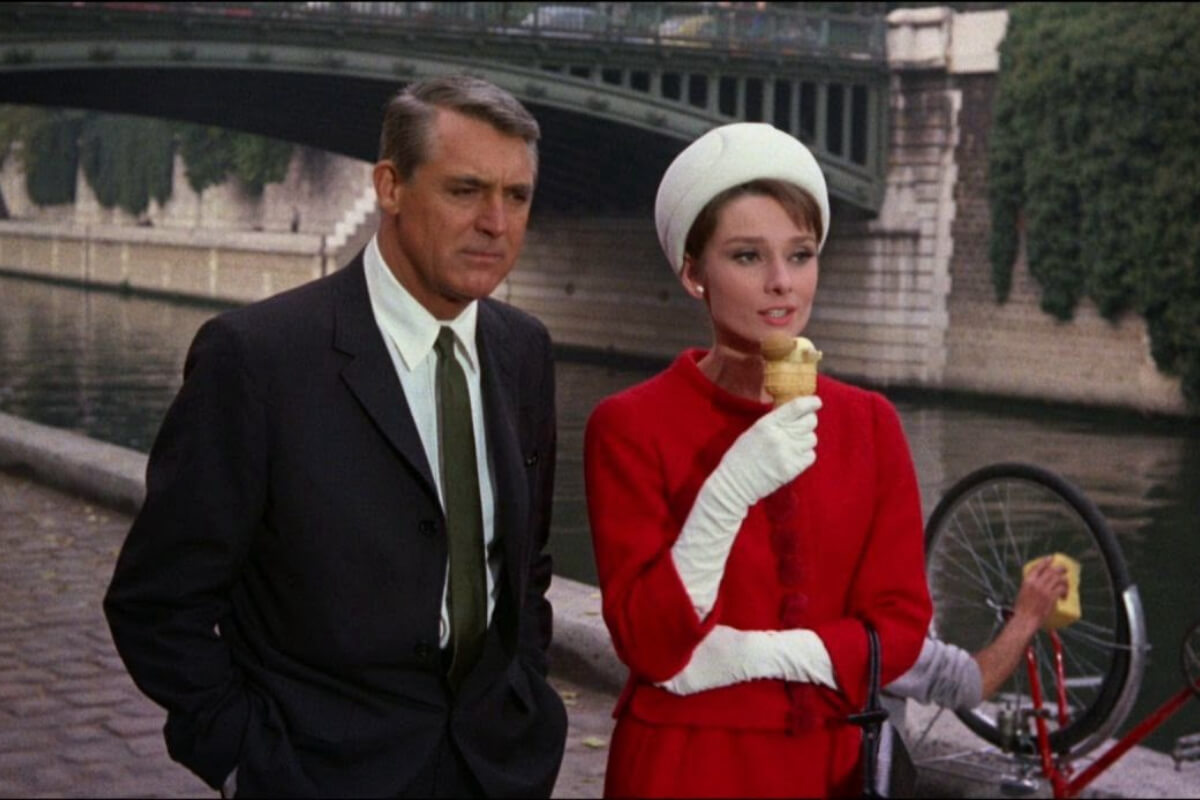
(Charade via Universal Pictures)
Rosemary's Baby
Even if you haven't seen Rosemary's Baby, you've certainly heard of it. A classic movie in the horror genre, this film follows a Catholic housewife who is mysteriously impregnated. But rather than a second coming of Mary, Rosemary soon realizes that she's actually carrying the devil's baby. Based on a novel, the 1968 film was an immediate hit among horror movie lovers.
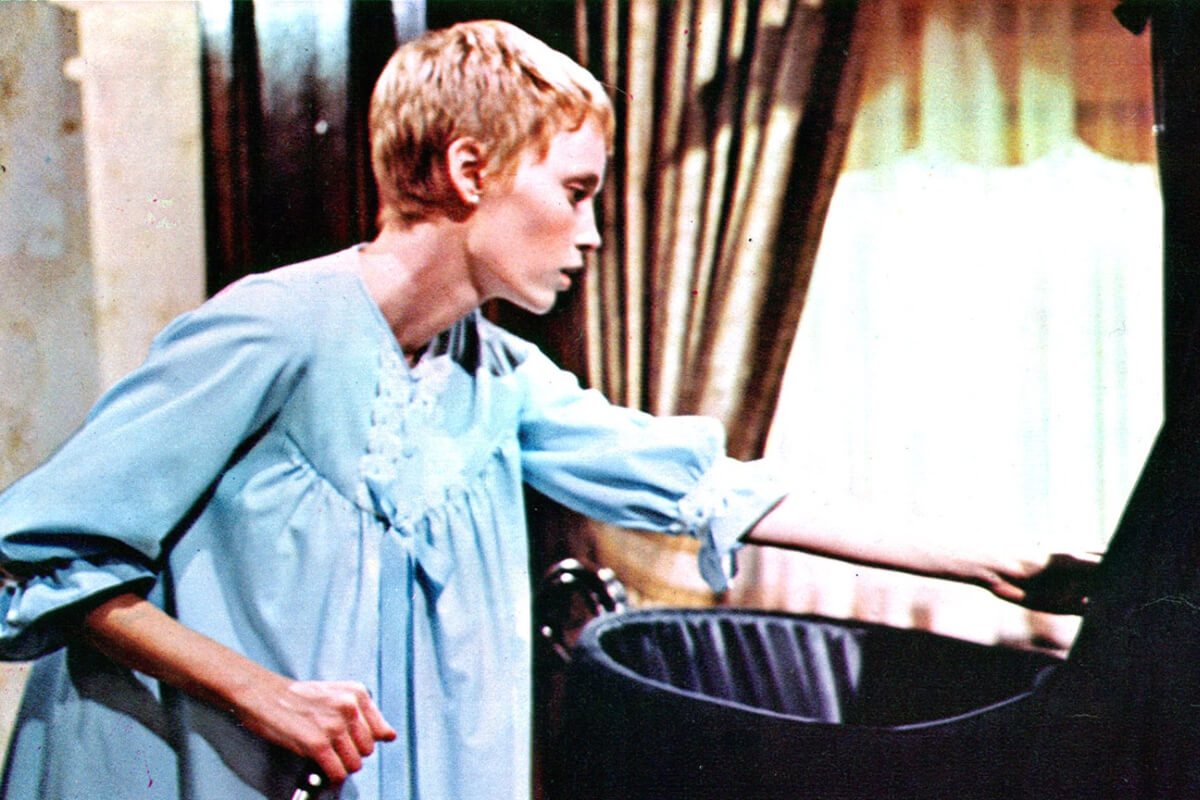
(Rosemary's Baby via Paramount Pictures)
The Graduate
A massively popular movie and a turning point in cinematic history, The Graduate tells the story of a young graduate student who starts two separate relationships with a girl his age and her mother. Featuring iconic scenes and songs by Simon & Garfunkel, the 1967 movie captured the spirit of the '60s in one memorable film.
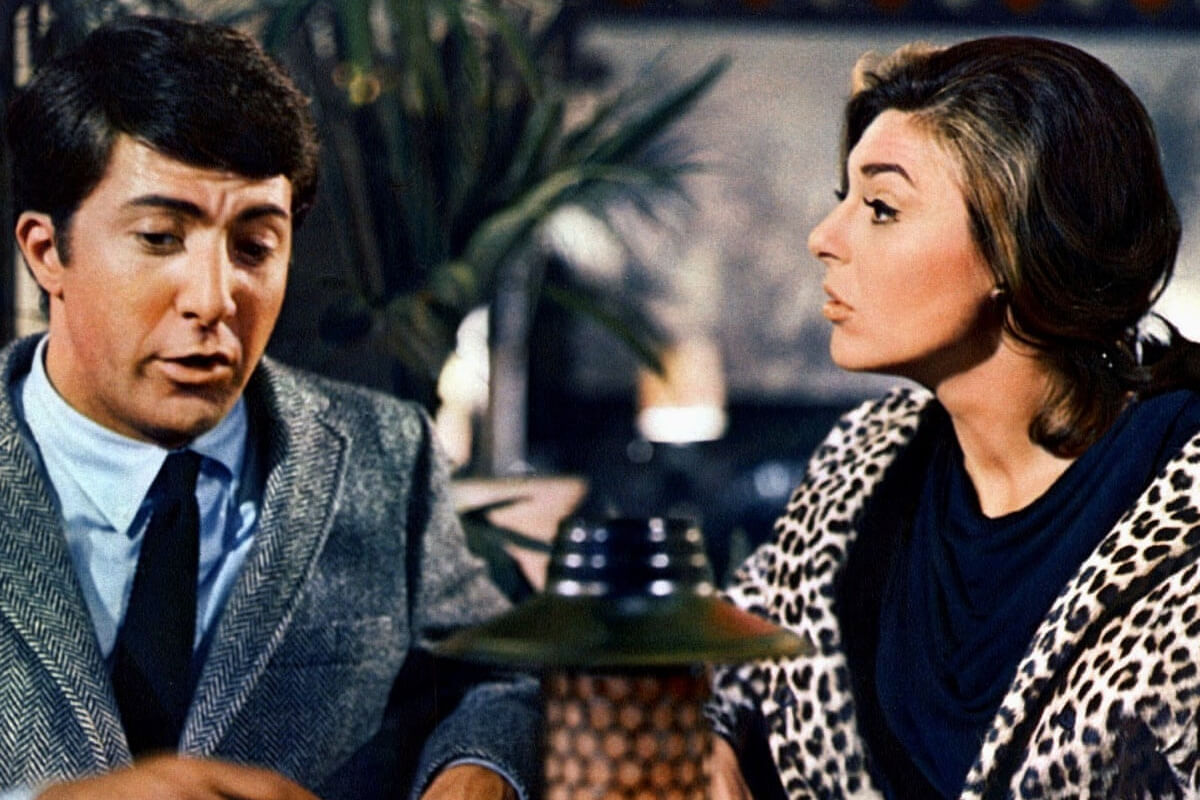
(The Graduate via Embassy Pictures)
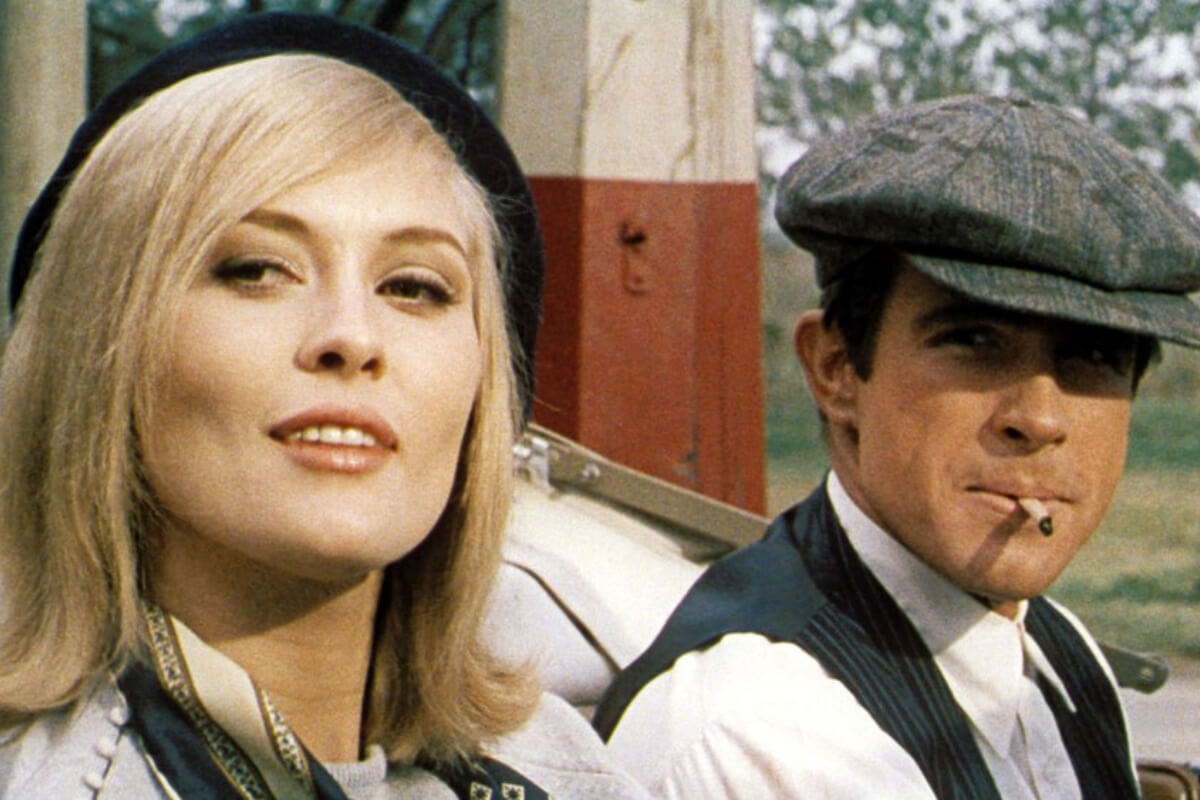
Bonnie and Clyde
Loosely based on real events, Bonnie and Clyde tells the story of a small-town waitress and her boyfriend, who rob a string of banks during the Great Depression. Audiences connected with the film's main characters, opening up an entirely new door in cinema that focused on a realistic portrayal of gun violence. Released in 1967, Bonnie and Clyde firmly marked the switched from old cinema to new.
(Bonnie and Clyde via Warner Bros.)
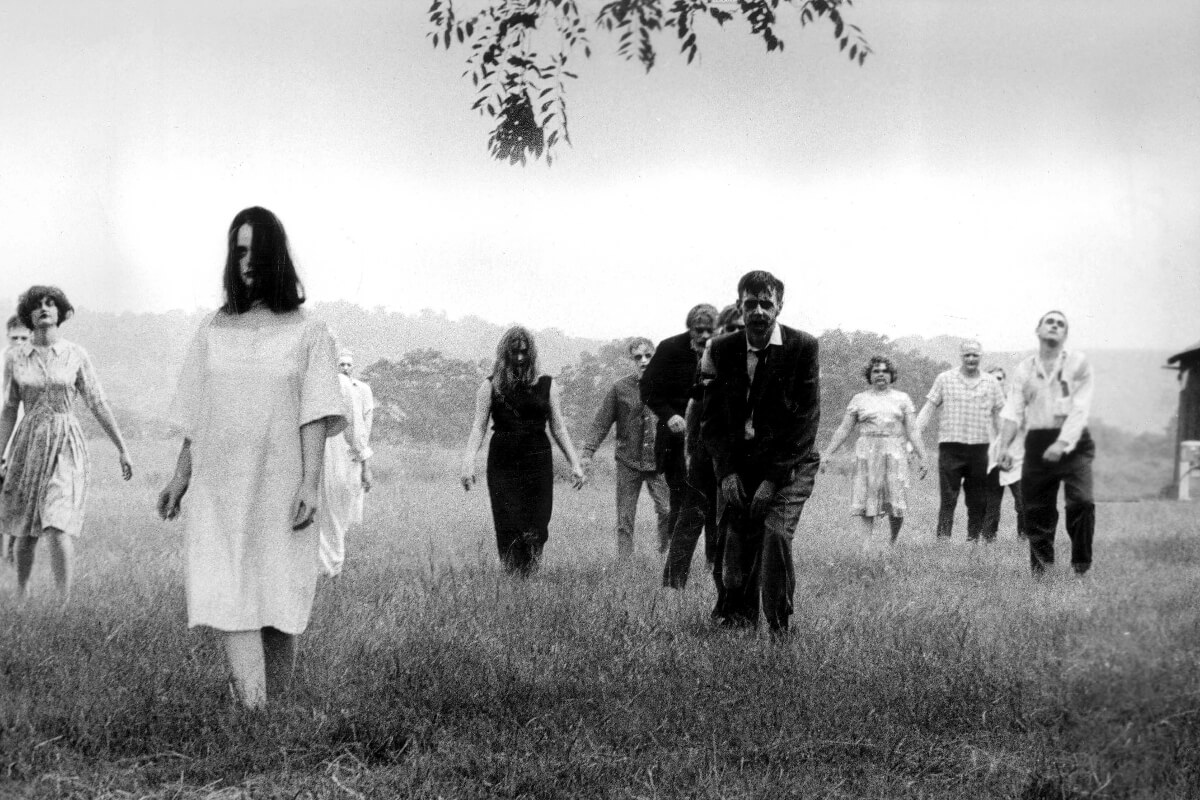
Night of the Living Dead
Another horror film, Night of the Living Dead first graced the big screen in 1968. If you're a fan of The Walking Dead, you owe pretty much all the success of that series to this movie. Night of the Living Dead almost single-handedly kicked off the zombie genre, bringing the upsetting portrayal of the undead on the hunt for human flesh to the big screen. After this movie's release, the zombie sub-genre took off. It still survives to this day in the form of various movies, TV series, and books.
(Night of the Living Dead via Continental Distributing)
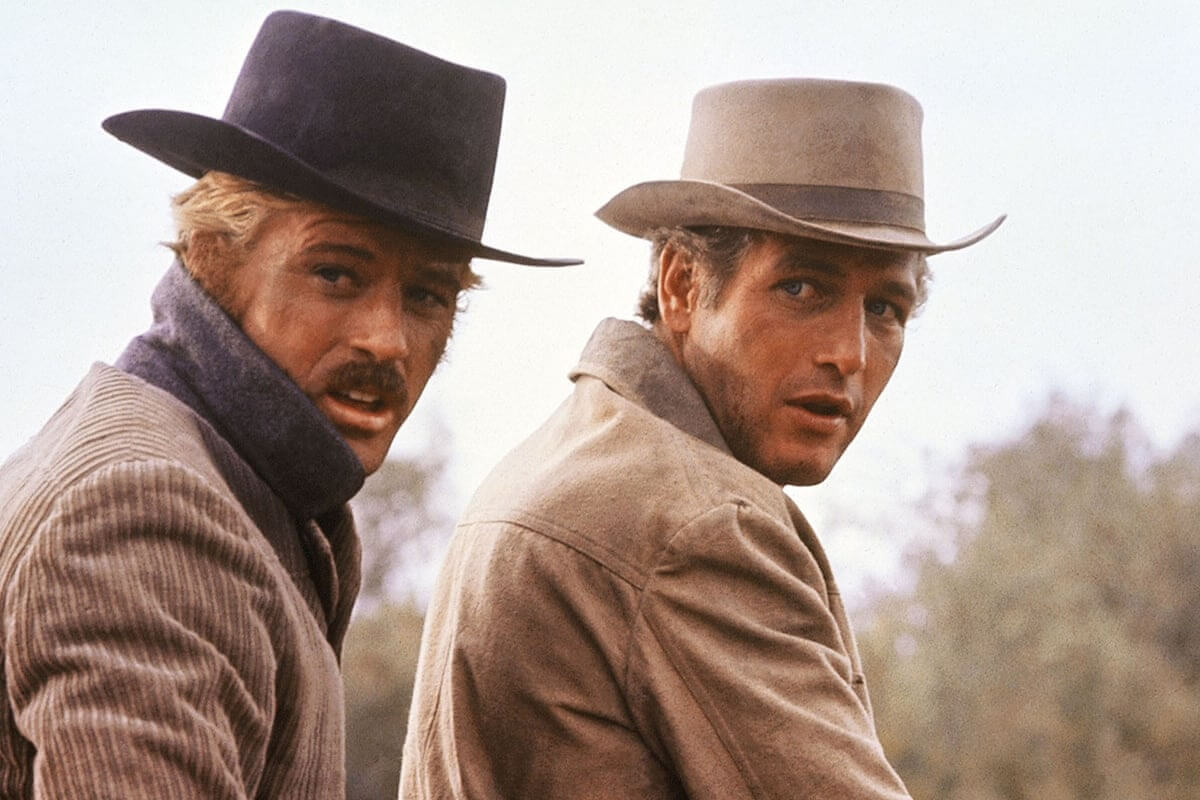
Butch Cassidy and the Sundance Kid
In this action-packed movie, two outlaws find themselves in an alliance after their respective gangs attempt a train robbery that goes horribly wrong. While running from the law, Butch Cassidy and the Sundance Kid form a close relationship that ends in tragedy. The film was loosely based on true events, but it was the performances of Robert Redford and Paul Newman that led the movie to win three Academy Awards, including Best Original Screenplay.
(Butch Cassidy and the Sundance Kid via 20th Century Fox)
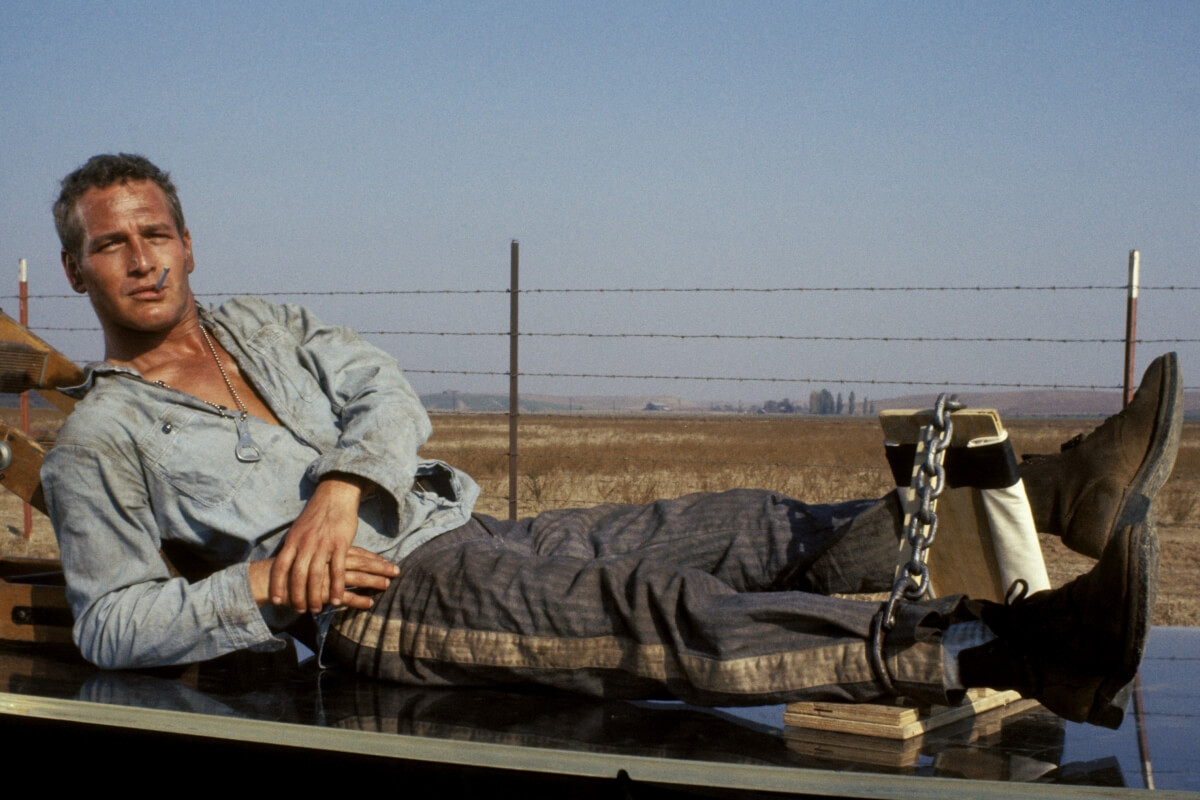
Cool Hand Luke
This 1967 film follows the story of a laidback southern gent who is sentenced to two years of hard labor in prison. While the warden looks for the appropriate regret from the prisoner, the prisoner himself infects the other inmates with his positive personality. Starring Paul Newman, the movie was based on a novel by Don Pearce, who based the film on his own experience serving two years in a chain gang. Both funny and heartwarming, the movie was an immediate hit among '60s audiences.
(Cool Hand Luke via Warner Bros.)
What Ever Happened to Baby Jane?
Released in 1962, What Ever Happened to Baby Jane? is the inspiration for the FX series, Feud. The onscreen story features a former child star who cares for her paraplegic sister. However, the star's treatment is often upsettingly abusive. But the onscreen drama was only half the story. While filming the movie, there was plenty of tension behind the scenes between the lead actresses, Joan Crawford and Bette Davis. It's both the chilling story of the film and the truth behind the stars' feud that has kept audiences captivated for years beyond the movie's release.
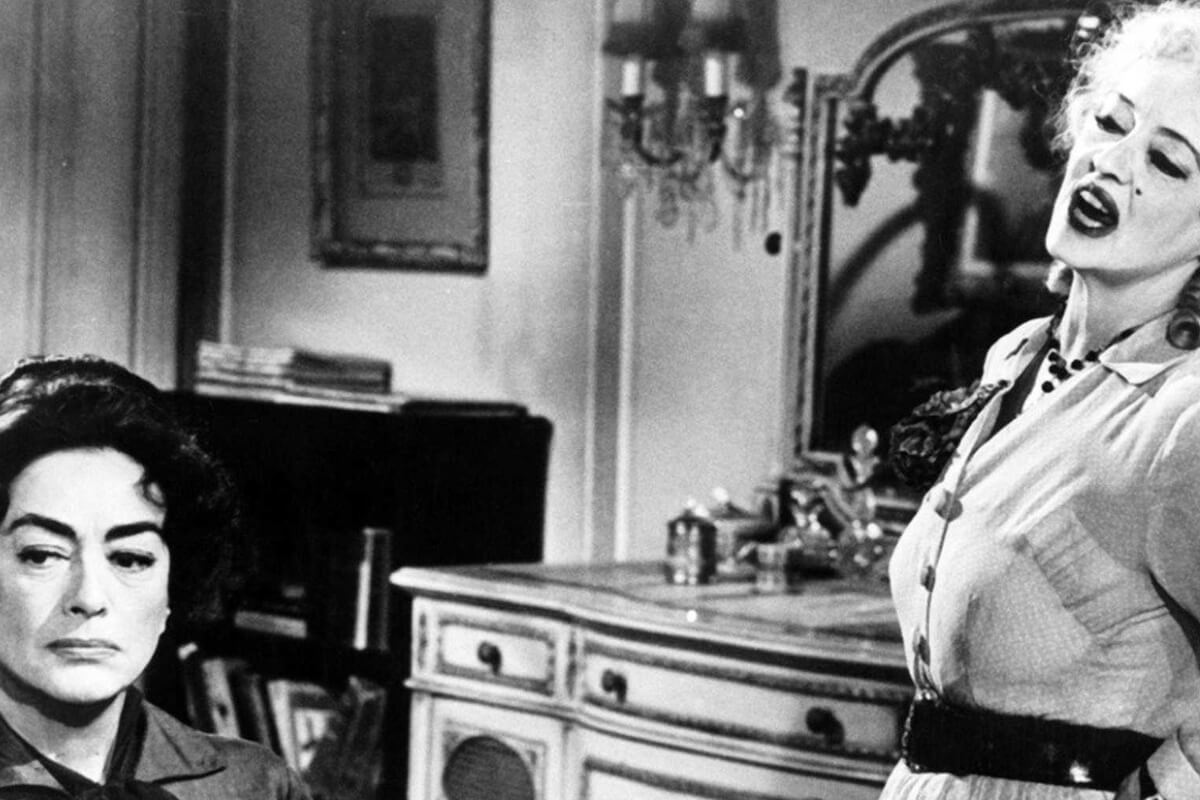
(What Ever Happened to Baby Jane? via Warner Bros.)
The Good, the Bad and the Ugly
Released in 1966, The Good, the Bad and the Ugly was the pinnacle of a new kind of Western that filled the big screen during the 60s. Rather than the previous films starring actors like John Wayne, The Good, the Bad and the Ugly had a grittier feel, but still maintained the action of a typical Western film. This movie launched Clint Eastwood to fame as one of three tough gunslingers on the hunt for buried gold. It was beloved by both audiences and critics alike, and still maintains its status as one of the best Westerns ever to be released to this day.
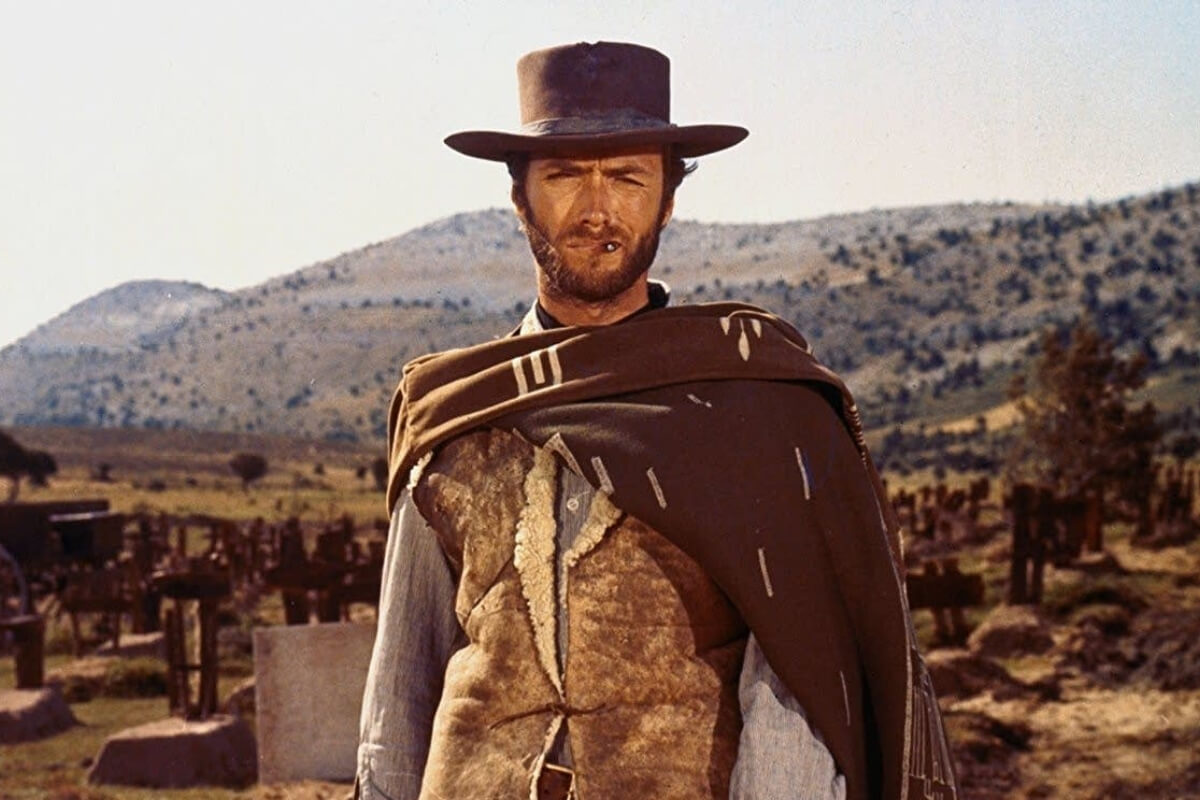
(The Good, the Bad and the Ugly via United Artists)
Psycho
Directed by Alfred Hitchcock, Psycho was made to be a terrifying surprise to audiences. Hitchcock went to great lengths to ensure the twists and turns of the movie wouldn't be spoiled before its release, including buying up many of the novels the film was based on so audiences couldn't read the ending beforehand. Well, his hard work paid off. Audiences were terrified when this classic film was released. Today, it's still a major topic of discussion in film schools around the world. It brought the horror genre to an entirely new level and consistently earns the title of many viewer's favorite movie.
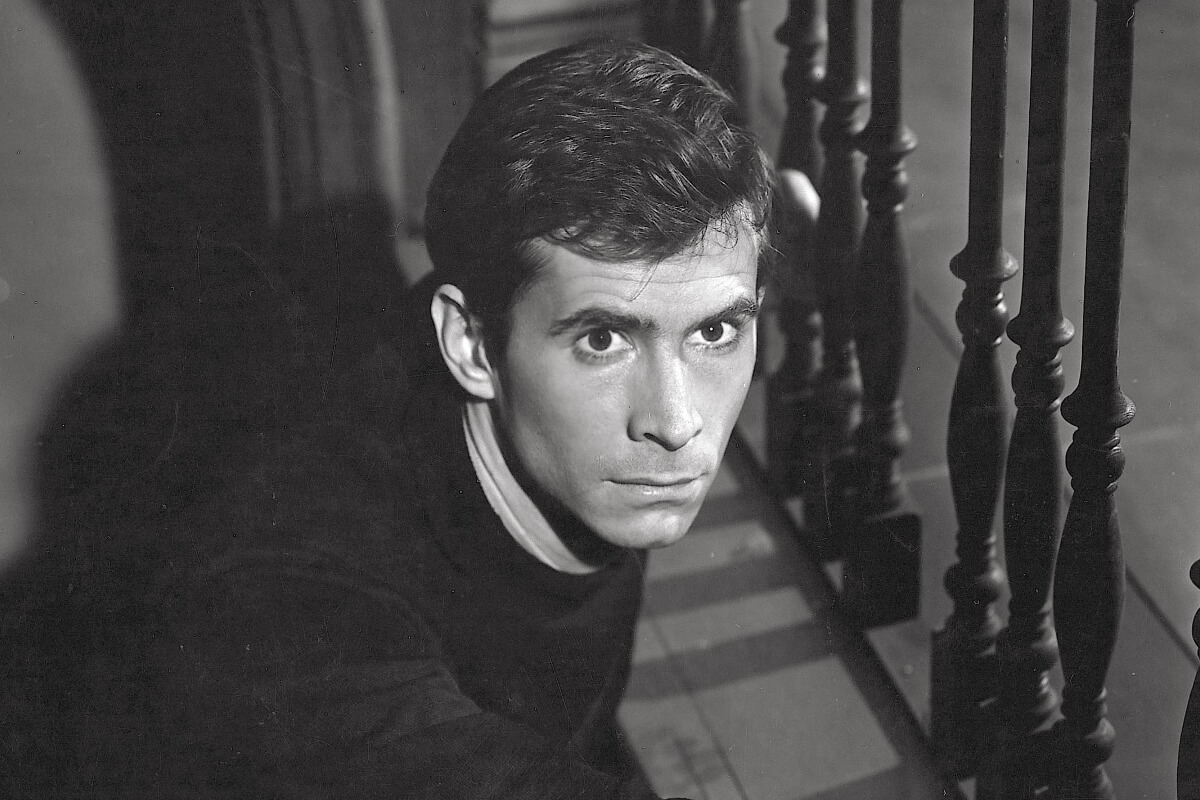
(Psycho via Paramount Pictures)
Who's Afraid of Virginia Woolf?
Released in 1966, this movie follows the story of a couple constantly at odds. The film struck a chord with audiences, possibly because of its ties to reality. The movie starred Elizabeth Taylor and Richard Burton as the quarreling couple. Interestingly, Taylor and Burton were married at the time of the film's release and were known for their tumultuous relationship. When the couple finally separated, Taylor admitted that the role she played in this movie was one she often played at home with her husband. Their real-life battles likely brought a sense of authenticity to the movie that audiences connected with.
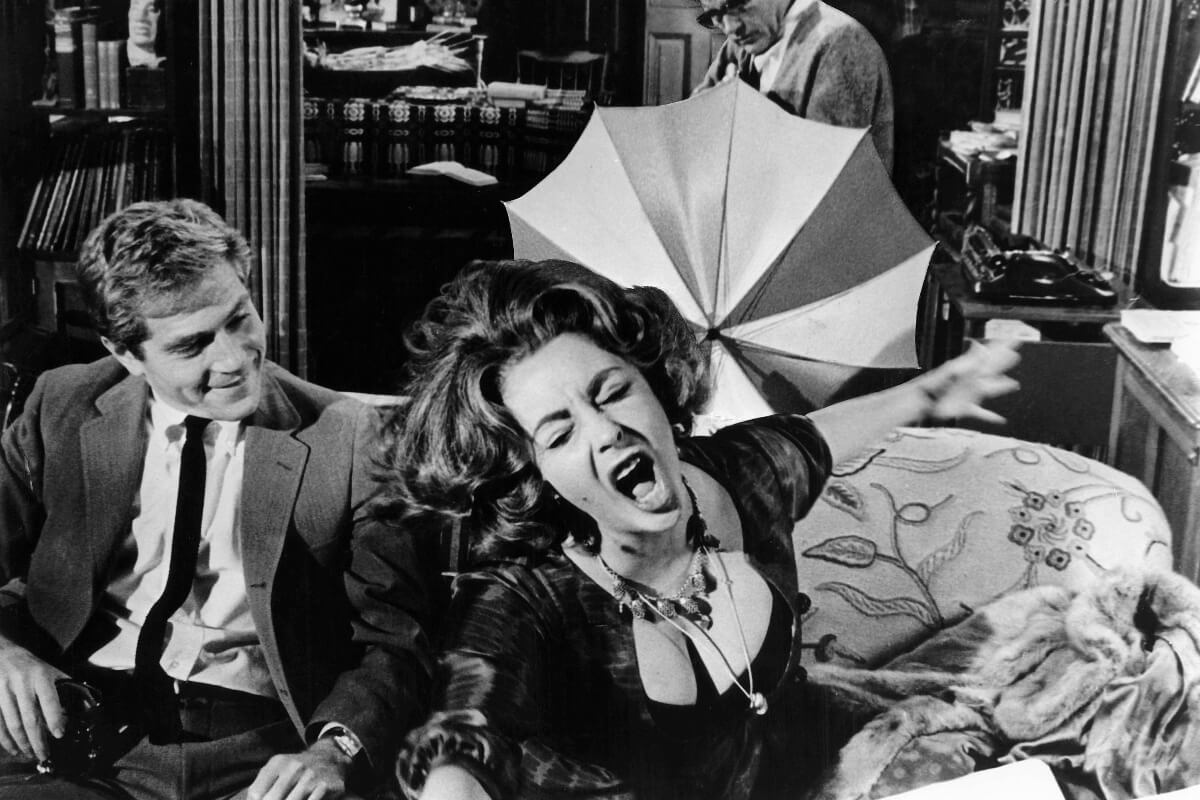
(Who's Afraid of Virginia Woolf? via Warner Bros.)
The Man Who Shot Liberty Valance
A movie with a twist! This 1962 film directed by John Ford tells the story of a senator who is heralded as the town hero for shooting and killing a notorious criminal. But years after the incident, the senator returns to the town and reveals to the people that the shooting wasn't exactly what they thought it was. Starring John Wayne, the film slowly presents a new hero over the course of the story, creating a plot that resonated with audiences immediately.
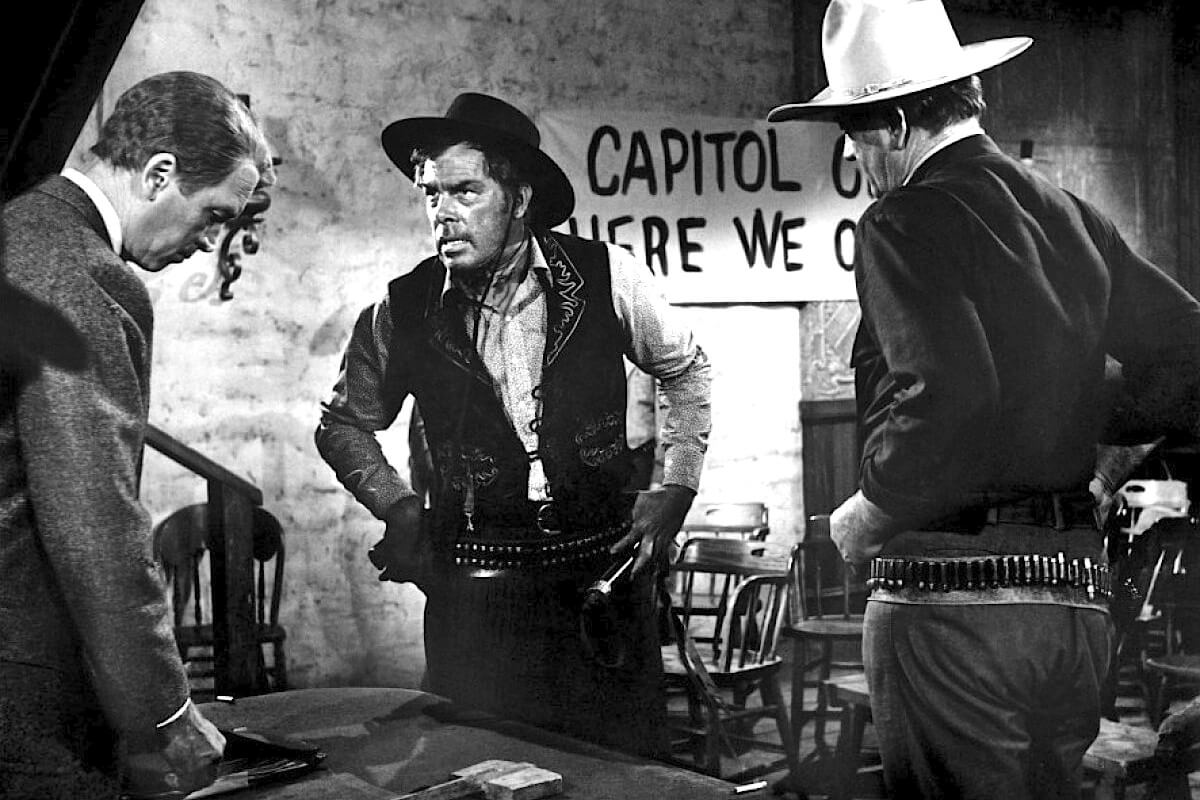
(The Man Who Shot Liberty Valance via Paramount Pictures)
Dr. Stranglove or: How I Learned to Stop Worrying and Love the Bomb
This movie is often considered a '60s classic, in large part because it was so different from anything else released up until that point. Based on a dramatic novel, this film at its core is about the end of the world. But rather than taking a serious approach, director Stanley Kubrick decided to transform the depressing subject matter into a comedy. All throughout filming, actor Slim Pickens thought he was creating a serious drama. The commitment of the cast to a dramatic performance only made the film that much funnier. When it comes to 60s comedy gold, it doesn't get much better than this film.
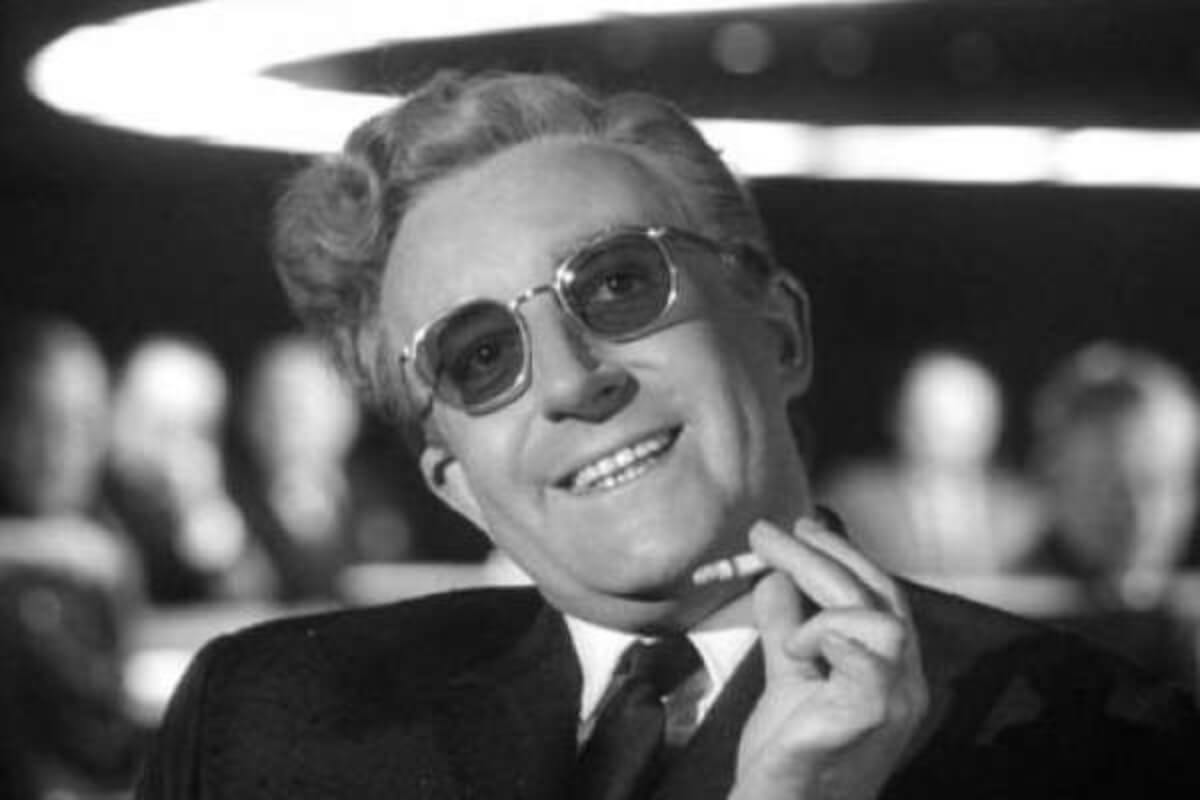
(Dr. Strangelove via Columbia Pictures)
In the Heat of the Night
A film focused on extreme racism, In the Heat of the Night tells the story of an African-American detective investigating a small-town suicide while simultaneously battling the hostile dispositions of the townspeople. Released in 1967, the film had roots in reality for the main star, who experienced discrimination during his time in the south. After its release, the movie won five Academy Awards, including Best Picture.
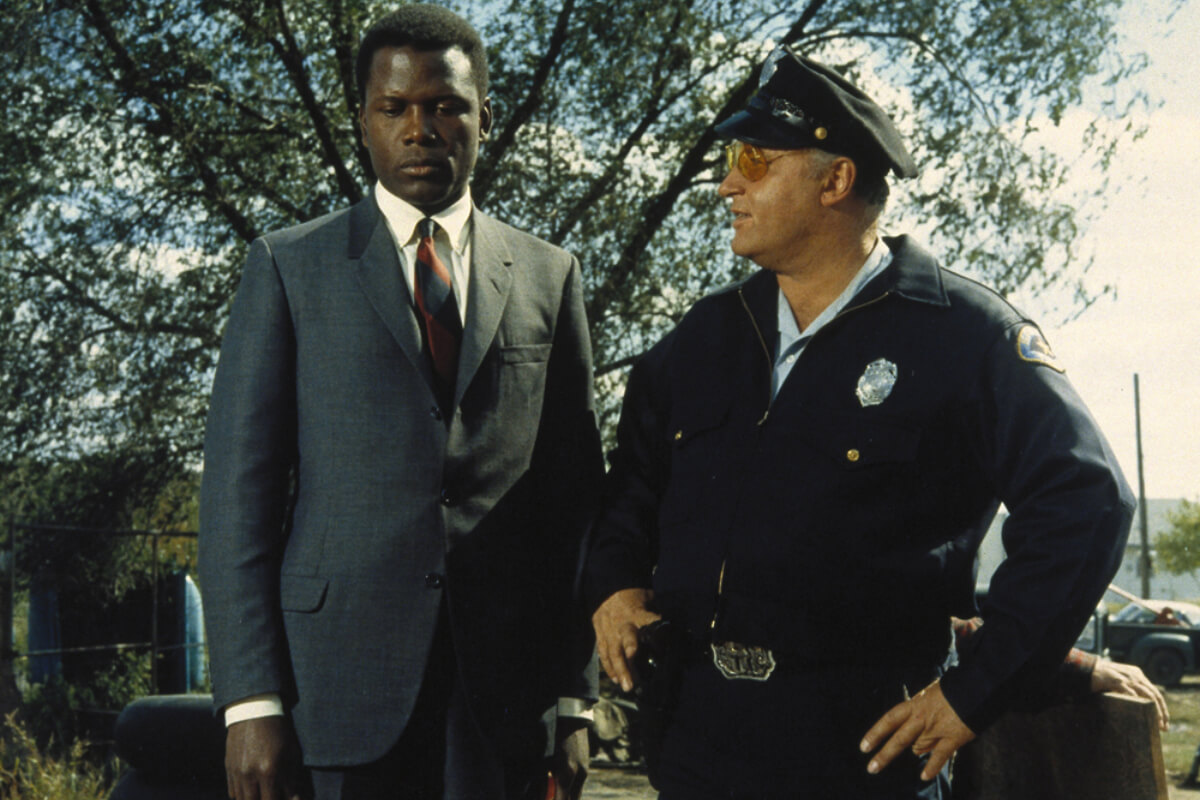
(In the Heat of the Night via United Artists)
Doctor Zhivago
Based on an extremely popular novel, Doctor Zhivago was released in 1965. Set during World War I and the Russian Revolution, the movie follows a Russian doctor who falls madly in love with a politician's wife. The touching story of the film immediately connected with critics and audiences alike. The movie later won five Academy Awards, including Best Adapted Screenplay.
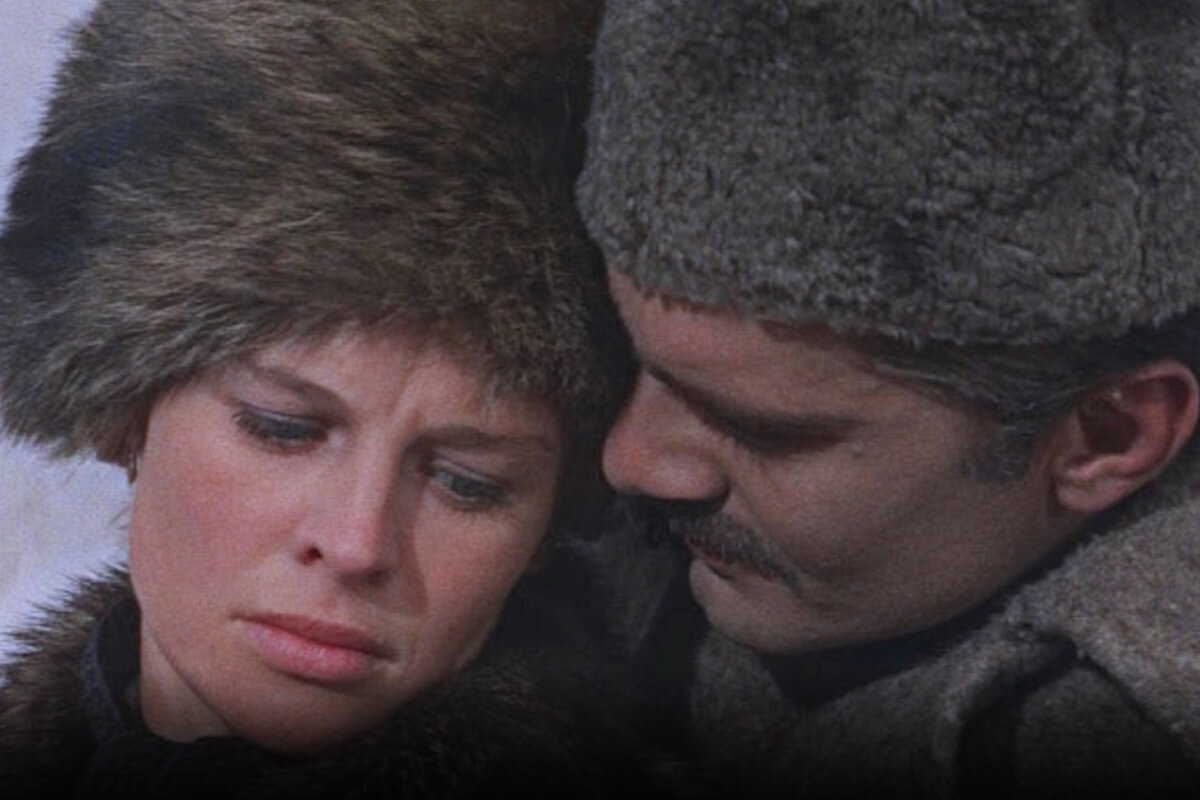
(Doctor Zhivago via Metro-Goldwyn-Mayer)
2001: A Space Odyssey
Unlike other films on this list, 2001: A Space Odyssey wasn't a success when it first released. In fact, it left most critics and fans scratching their heads in confusion. But in the time since the movie's release in 1968, it has transformed from a perplexing mess to a cinematic masterpiece. The film focuses on the idea that humans were actually created and evolved through alien intervention. Taking place in the deep parts of space, the movie prompted numerous space epics, including Star Wars. While it might be a confusing watch at first viewing, there's plenty of cinematic magic hidden in this film.
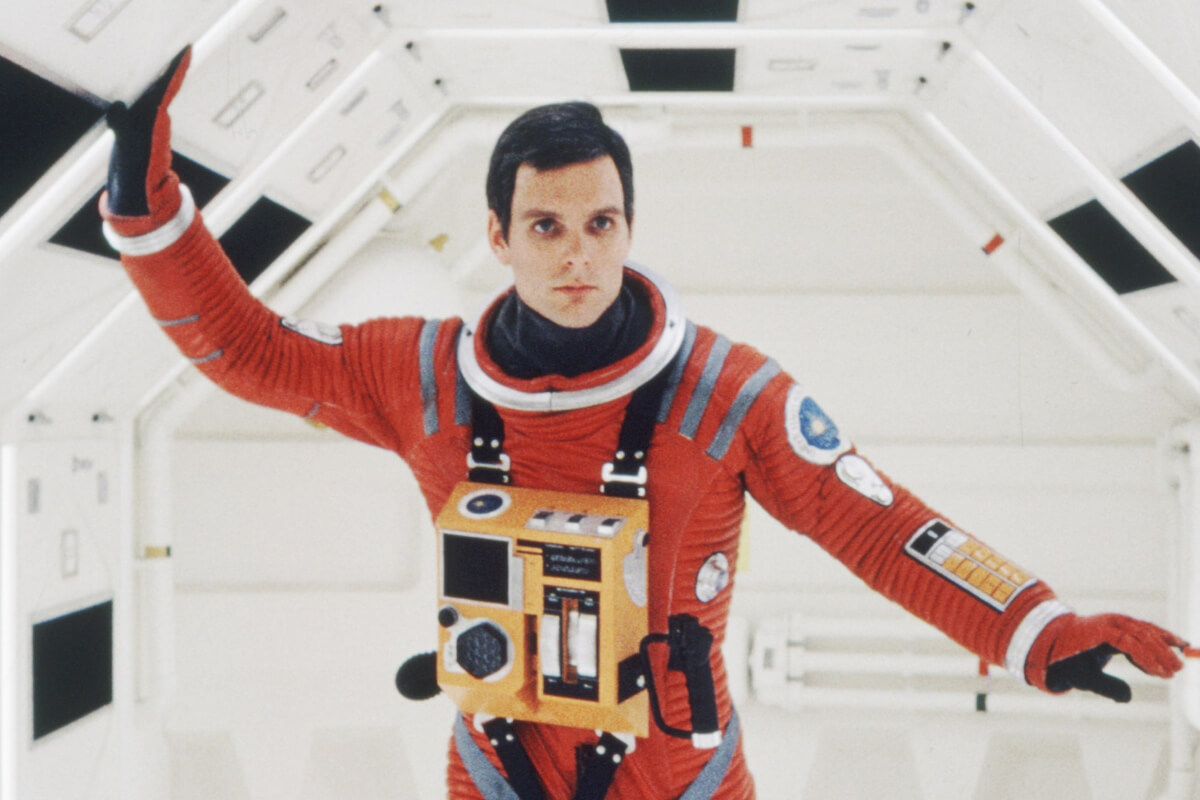
(2001: A Space Odyssey via Metro-Goldwyn-Mayer)
The Haunting
Rather than sticking with the classic horror genre of the time that focused on disturbing images, The Haunting added a psychological twist to its thriller format. Based on a novel by Shirley Jackson, the 1963 movie revolves around two women who spend the night in a haunted house. Over the course of the evening, one woman slowly loses her mind. The movie brought a new life to the horror genre and featured a few iconic scenes film buffs still study today.
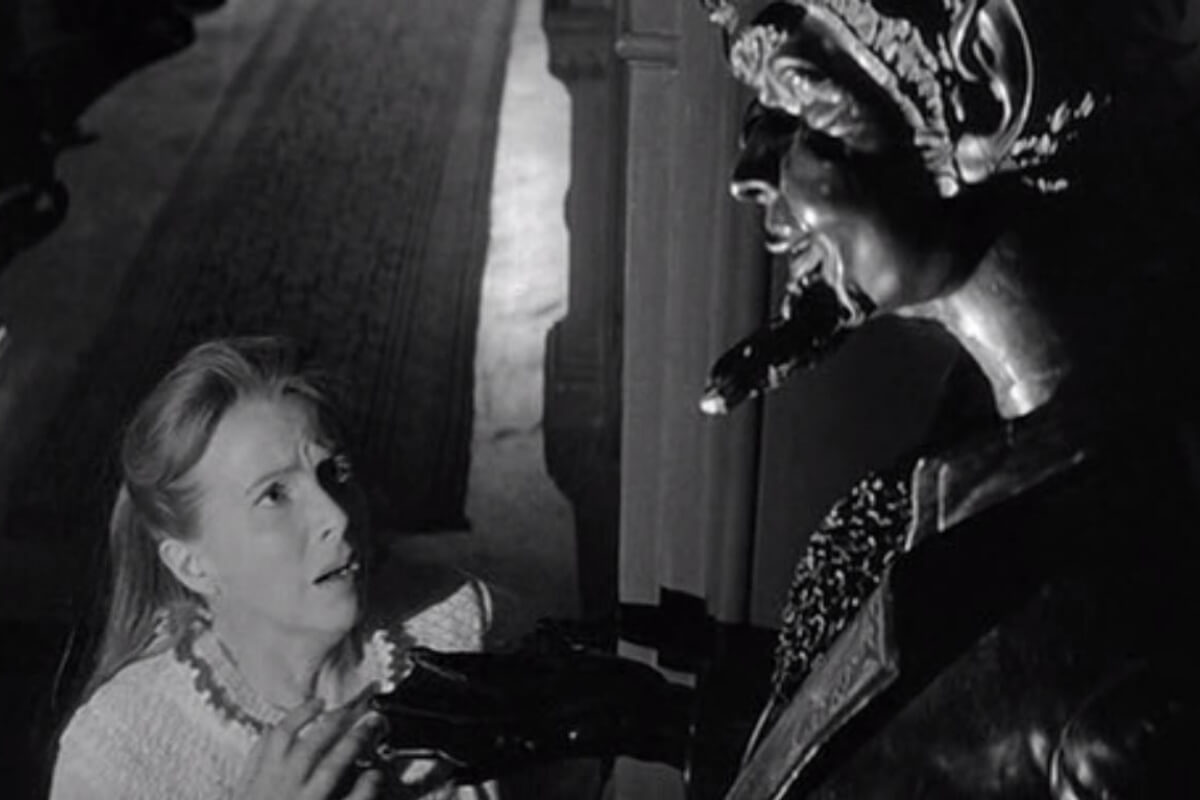
(The Haunting via Metro-Goldwyn-Mayer)
The Time Machine
Released at the very start of the decade, The Time Machine follows a man who manages to travel to the future. While he first thinks he found the ultimate utopian society, he slowly realizes that things aren't as perfect as they seem. To show the man traveling from the past to the future, the movie used a photographic time-lapse effect that wowed audiences. It even allowed the film to snag the title of Best Visual Effects at the Academy Awards.
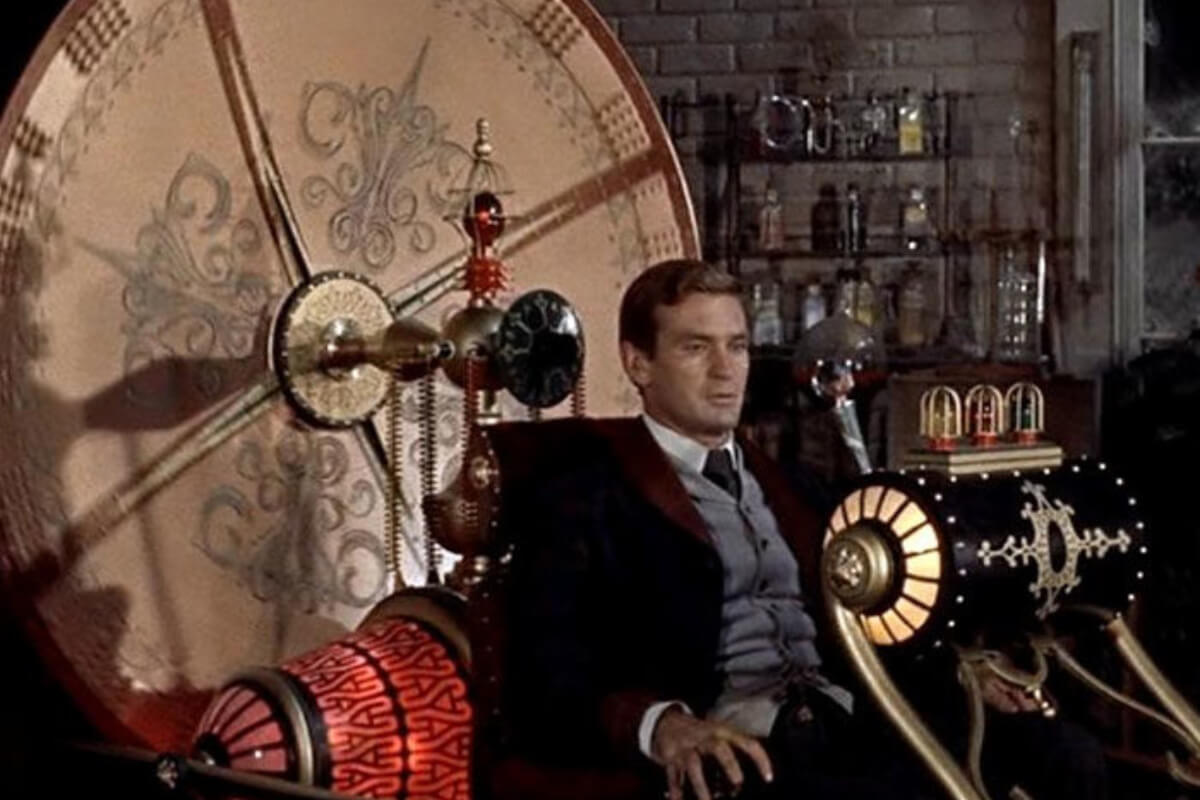
(The Time Machine via Loew's)
The Great Escape
Set in a German POW camp during World War II, this movie follows a group of prisoners plotting their escape from the German forces. The first half of the movie establishes a close, banter-filled relationship among the prisoners, while the second part dips into action as the soldiers execute their getaway. Released in 1963, the film stars one of the biggest actors of the 60s, Steve McQueen. Although it's loosely based on a true story, the fictional elements and nail-biting action made it a favorite among audiences of all decades.
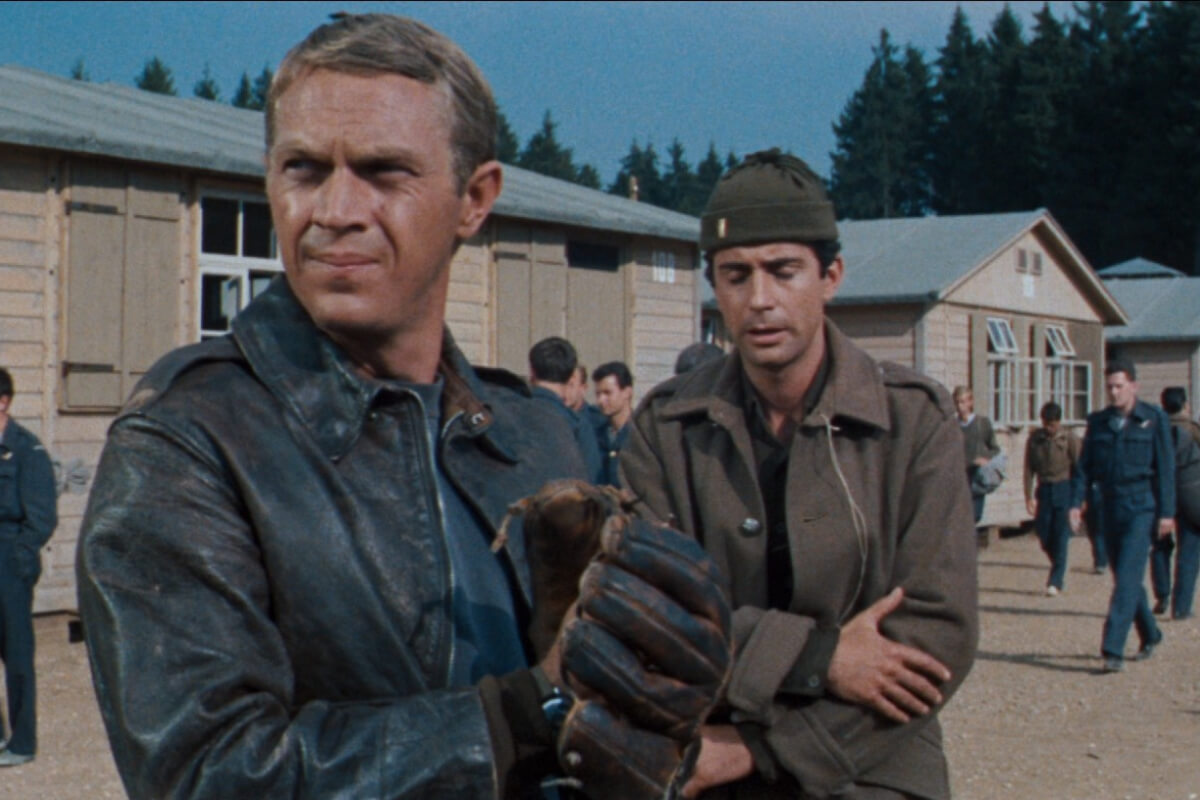
(The Great Escape via United Artists)
Judgment At Nuremberg
Movies based upon the tragedies of World War II were big in the 60s. At that point, audiences were somewhat removed from the trauma, which allowed filmmakers to capture the depth and impact of the atrocities through film. Judgment at Nuremberg, released in 1961, followed the trial of four Nazi judges. While the German press accused the film of trying to rekindle German guilt, the movie fared well at American box offices, quickly establishing itself as a must-see film.
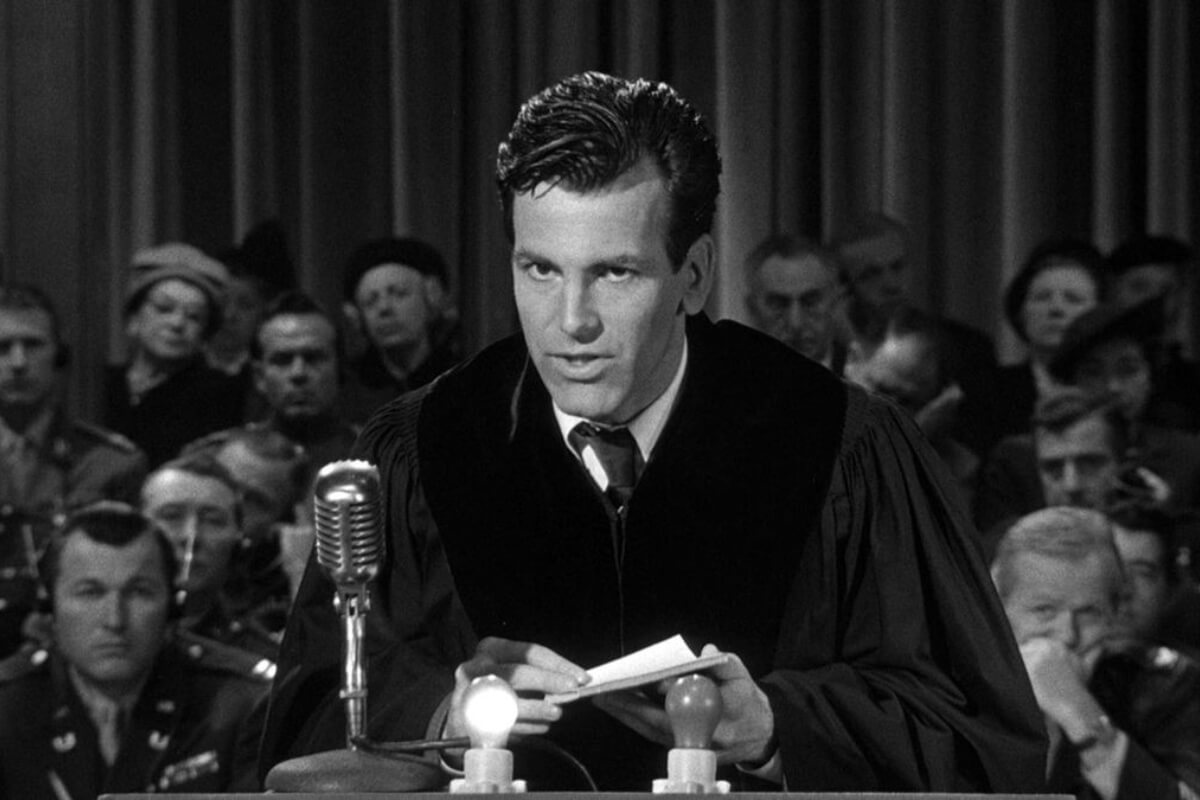
(Judgment at Nuremberg via United Artists)
Midnight Cowboy
Despite being an X-rated movie, Midnight Cowboy found success among movie audiences. Released in 1969, the film tells the story of a small-town hustler trying to make a living in New York City. Starring Jon Voight and Dustin Hoffman, the film won Best Picture at the Oscars, the only X-rated film to earn that accolade. The film's success was yet another reminder that the film scene was changing, and the old school rules no longer applied to cinema.
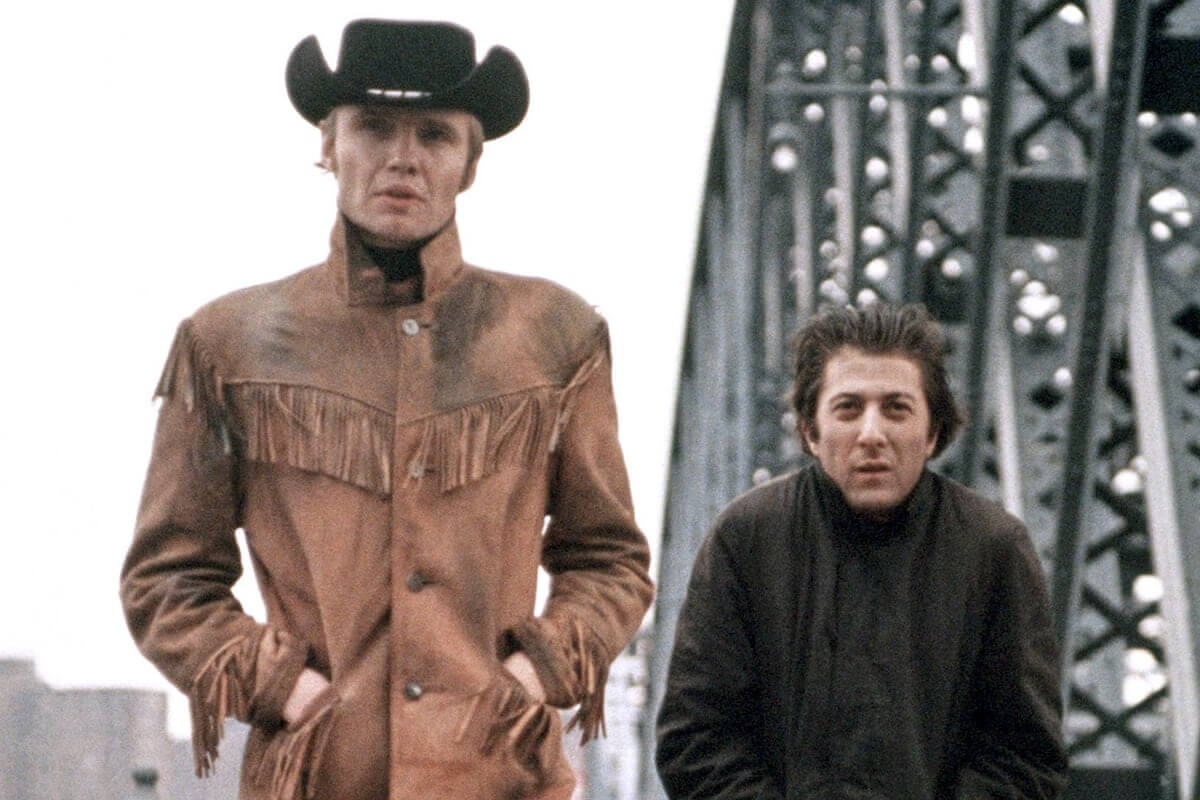
(Midnight Cowboy via United Artists)
The Longest Day
Yet another World War II film, The Longest Day tells the story of D-Day from the perspective of both Allied and German forces. Running for nearly three hours, the film weaves together multiple storylines to capture the destruction that occurred as allied forces overwhelmed German troops. Featuring the top talent of the day, the movie earned a respectable amount at the box office, though it wasn't as much as the filmmakers hoped for.
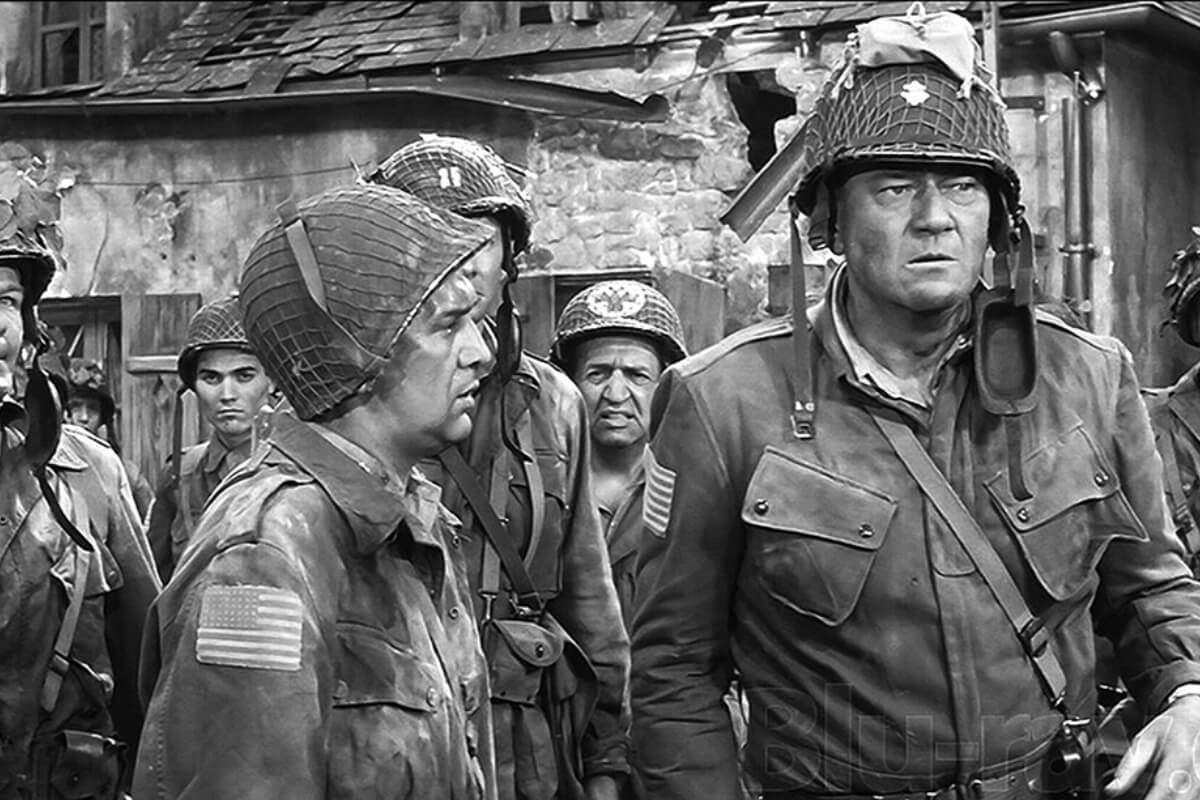
(The Longest Day via 20th Century Fox)
True Grit
Heading back into the genre of Western films, True Grit features John Wayne as the leading character. A drunken US Marshal, Wayne's character is enlisted by a young tomboy to find her father's killer. For his performance in the 1969 film, Wayne won Best Actor at the Oscars. The film was so popular that the Coen Brothers actually released a remake in 2010.
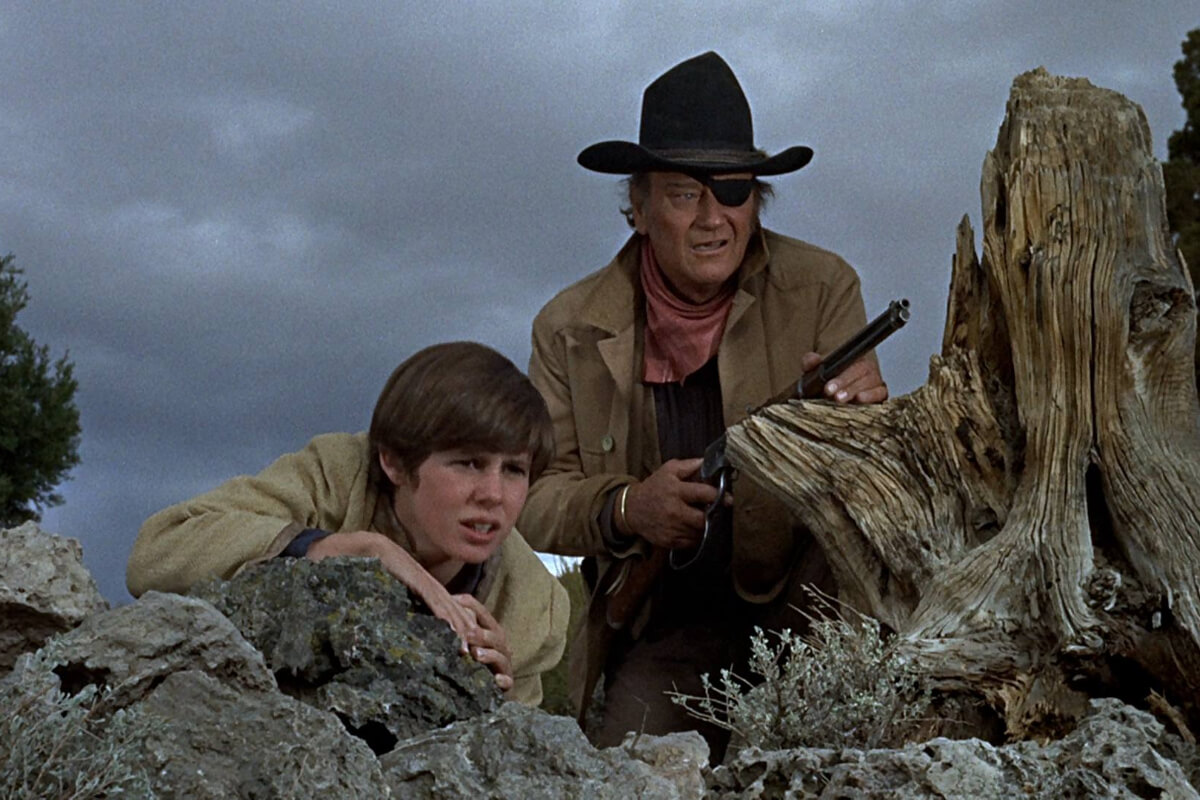
(True Grit via Paramount Pictures)
Guess Who's Coming to Dinner
Using comedy, this 1967 film explores the history of racial tension in the United States. The somewhat funny film depicts the daughter of a progressive couple bringing home an unexpected boyfriend to family dinner. Simultaneously funny and complex, the film won two Academy Awards after its release, including Best Screenplay.
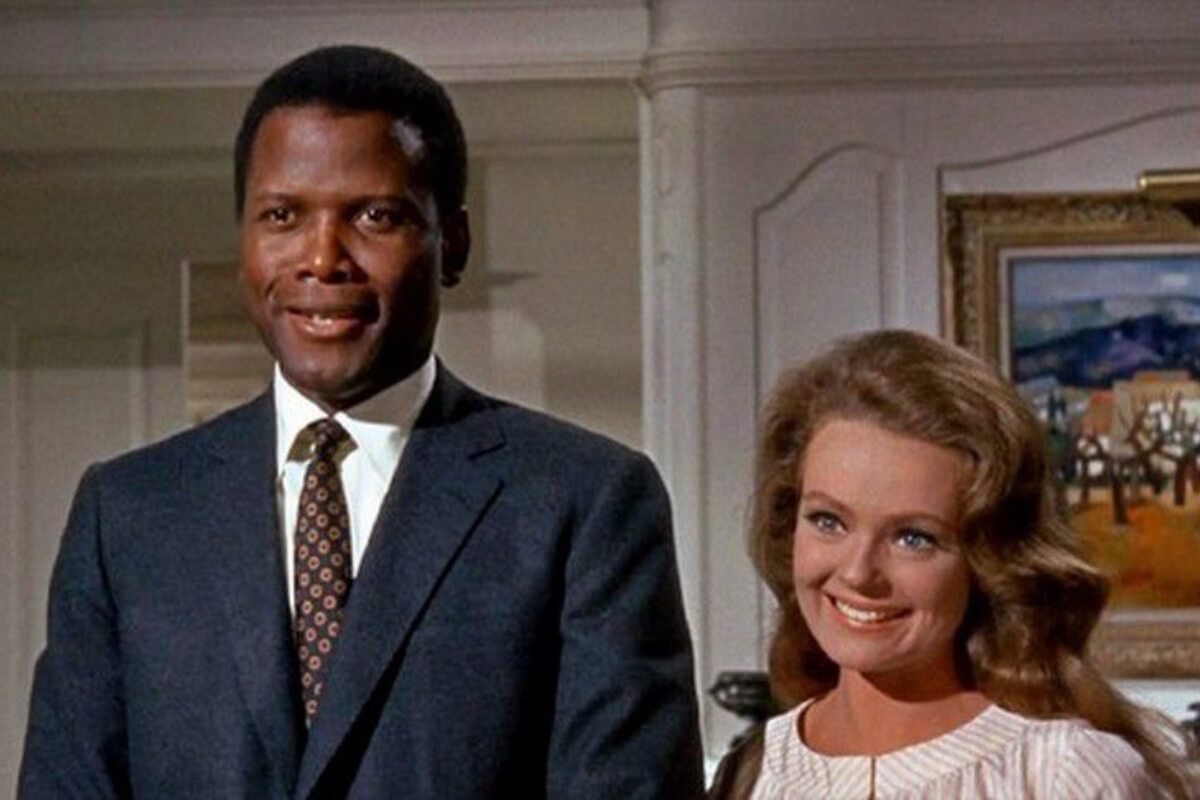
(Guess Who's Coming to Dinner via Columbia Pictures)
The Birds
Released in 1963, The Birds is still responsible for many a phobia of flying creatures. Directed by Alfred Hitchcock at the height of his fame, The Birds tells the story of a small town in Northern California terrorized by vicious birds. The film utilized both real and fake birds to create the image of a swarm during the film. Many of the scenes still stick with fans, forcing them to wince if a flock of birds appears to be flying a little too close for comfort.
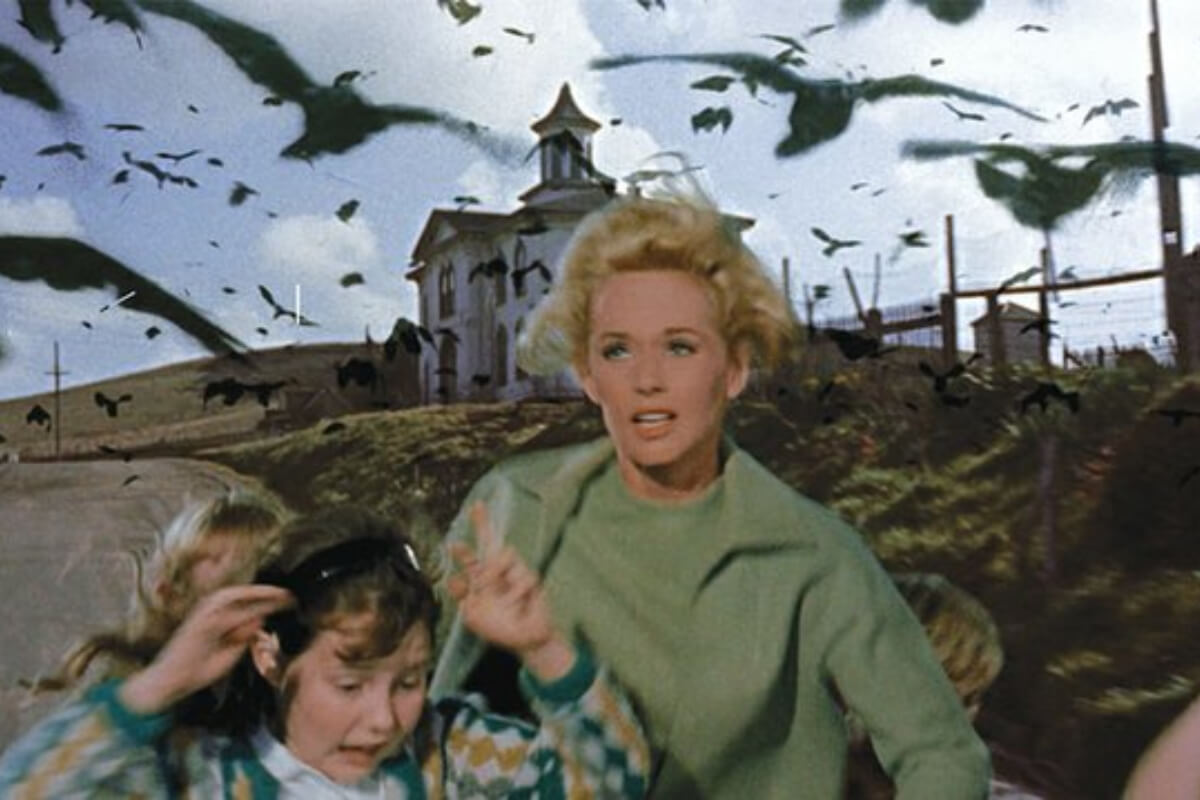
(The Birds via Universal Pictures)
The Apartment
Released in 1960, The Apartment was clearly a standout film of the decade. After all, it won five Academy Awards, including Best Picture. The film follows C.C. Baxter (Jack Lemmon) as he pursues the girl of his dreams while simultaneously trying to land a big promotion at work. Known as a comedy classic, the movie still stands out among film buffs as one of the best cinematic masterpieces to ever find its way to the big screen.
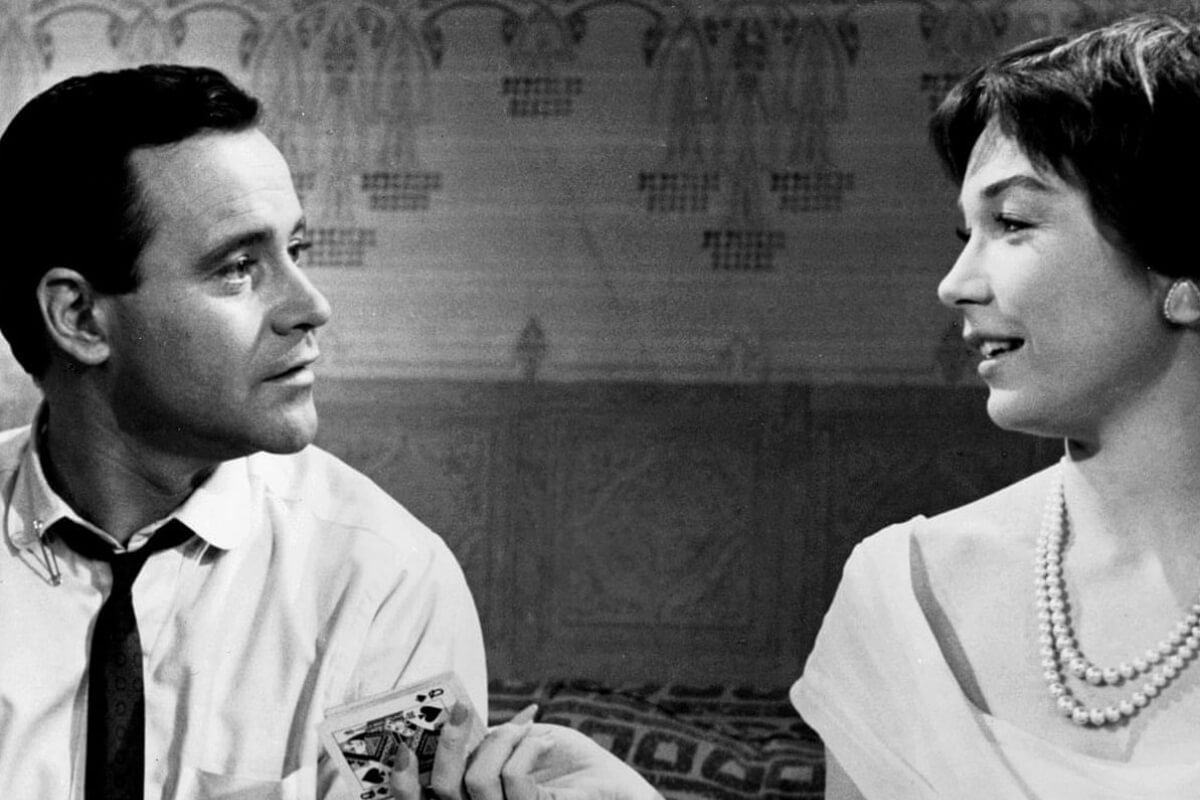
(The Apartment via United Artists)
Every decade has its standout films. Click HERE for the greatest movies of the 1970s.