8 Sneaky Things That Might Be Hurting Your Sleep
March is Sleep Awareness Month, and every year when we move the clocks forward for Daylight Saving Time and lose a precious hour, we remember just how important it is to be mindful about rest.
We've never been the most restful sleepers ourselves, making this the perfect time to reflect on our sleep behaviors—both good and bad. There are a few tricky habits we inevitably fall back into year after year that impact our sleep in small but significant ways. Also looking to improve your sleep? You may want to keep an eye out for these eight sneaky things.
Using Your Bed as a Hangout Space
A bed tends to be the biggest thing in a bedroom, making it seem like the obvious comfy space to spend time, whether you're doing homework, reading, watching TV, playing a video game, doing crafts or chatting with a friend. The problem is that this isn't actually what the bed is for, and the more you mentally associate the bed with being wide awake and having fun, the harder it'll be for it to automatically feel like a space for getting a good night's sleep. Only using the bed for its intended purpose will help you feel sleepier as soon as you tuck in. If you're a frequent napper, you may even want to create a designated non-bed snooze spot, because you don't want to associate your bed with brief bouts of sleep, either.

(via Unsplash)
Also read about: The 7 Kinds of Rest Your Brain and Body Need (and How to Get Them)
Keeping a Cluttered Bedroom
You might not think that clutter and sleep have much to do with each other—especially because you sleep in the dark, and with your eyes closed—but a messy space can weigh on the mind even when it's not directly in sight. For many people, an accumulation of clutter can induce anxious feelings, especially when you have the intention to clean up but continuously put it off. In that case, decluttering the room can also help to declutter your mind. After all, you want to make your bedroom into a sanctuary for sleep.
Hidden Caffeine
Everyone knows that the caffeine in coffee and certain teas keeps people awake and that those who struggle with sleep should avoid them before bed, but many forget about other sources of caffeine. Even decaffeinated versions of these drinks can contain enough to hurt sleep, as can the caffeine in chocolate, whether it's found in the form of a chocolate bar, baked good or even cereal. Desserts that feature coffee, or even green tea or matcha, are other common culprits.
Sodas are yet another source of confusion, because many soft drinks are completely caffeine-free while others are some of the biggest offenders. Ginger beer and lemon-lime drinks are usually safe, while root beer and orange sodas may or may not contain caffeine depending on the brand. Meanwhile, colas and citrus-flavored sodas typically have the highest amount of caffeine. Your best bet is to check the label before you sip.
(via Shutterstock)
Random LEDs on Devices
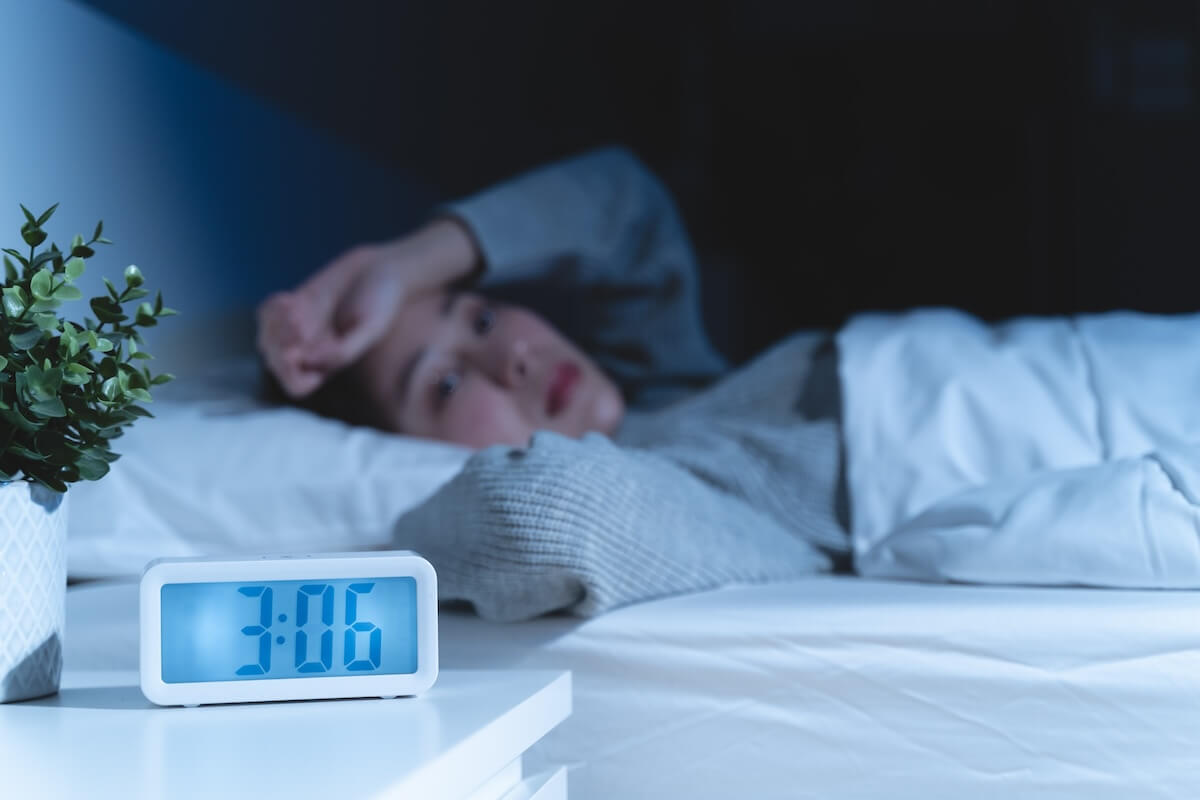
Complete darkness is generally the best for sleep, and unless you prefer a night light for safety reasons, any annoying little lights that shine in your room at night can be surprisingly disruptive. Lots of household items can feature bright or blinking lights, including clocks, computers, TVs, smart hubs and more, and make it tougher to fall or stay asleep. If you can't move these objects out of the bedroom, you may want to try solutions like electric tape to cover up unnecessary LEDs. Some companies even sell light-blocking stickers specifically for this purpose.
Winding Down for Sleep on Your Phone
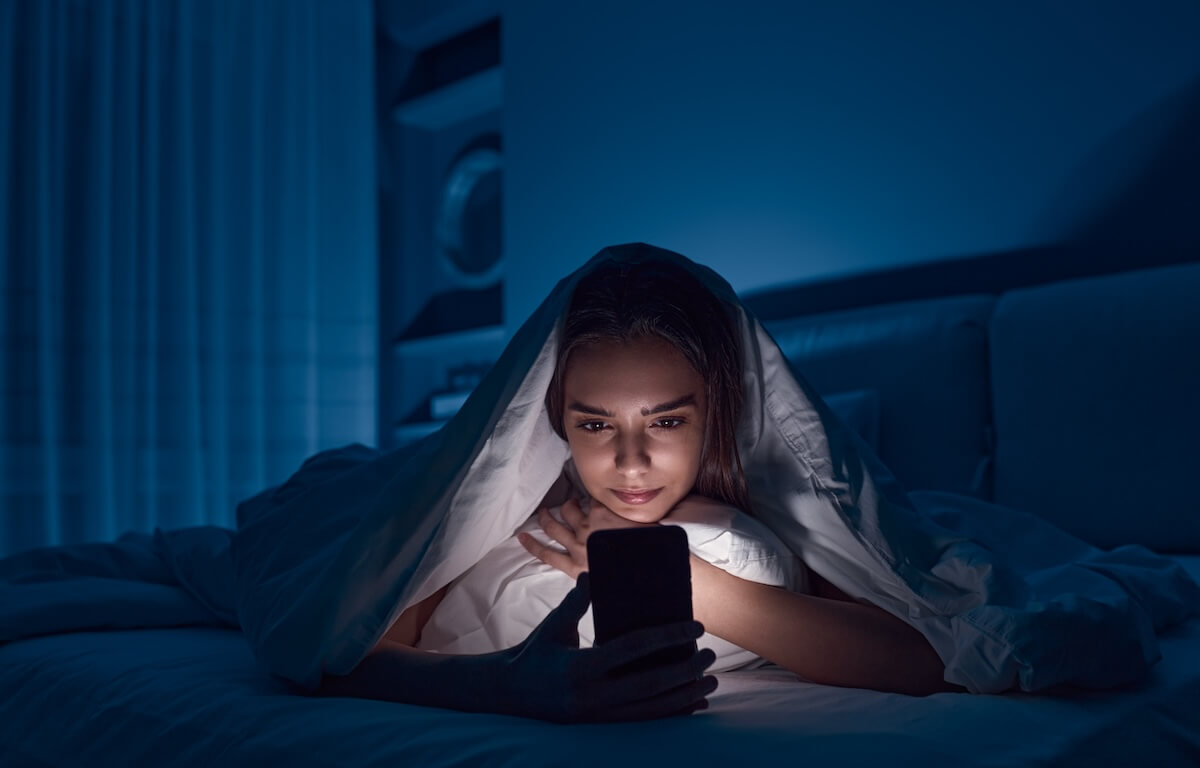
Scrolling through social media may seem like a relaxing way to wind down before bed, but it's actually not a very useful habit for actually getting in a sleepy and restful mood. First off, phone screens emit blue light, which basically tells your brain that it's still daytime. This interrupts natural melatonin production, so you don't get the less sleep-inducing hormones you need.
Second, being on your phone can create a cycle of wanting to stay on your phone. Social media, especially, is designed to hook you and keep you engaged, with the promise of more entertainment and fun if you simply keep scrolling. Any time you're staying up past your bedtime on your phone is time you're not sleeping.
(via Shutterstock)
Also read about: These 5 Natural Supplements Can Help You Fall Asleep Better
Abruptly Going to Bed
Our bodies and minds need to ease into sleep, and going directly from an engaging or energizing activity to bed doesn't facilitate that. This includes everything from exercise or reading a gripping page-turner to playing an action-packed game or, as we mentioned before, looking at social media. These things can leave you in an elevated state, and it's tough to sleep when you have a heightened body temperature or heart rate.
Instead, carve out time to settle down before bed. Finish up anything active or too compelling at least a half hour before bedtime, and instead turn to more relaxing activities, whether that's reading something mellow and cozy, meditating or listening to soothing music. You may also want to try journaling to unburden your mind before sleep.
Inconsistency
One of the very best things you can do for falling asleep and waking up more easily is being consistent. Making it a habit to go to bed and wake up at the same time every day of the week will help you get into an ideal rhythm. Soon, this can result in actually feeling sleepy when it's time for bed, and feeling less groggy and more rested when your alarm goes off in the morning. Meanwhile, inconsistency is the ultimate habit-killer. Straying even to sleep in a little on the weekend can undo all that progress and prevent you from creating this pattern for yourself.
Also read about: 5 Classic Tricks for Falling Asleep Faster
Other People
While it's not always preventable, one of the things that can be most damaging for sleep is sharing a room with someone. Whether this is a sibling, roommate, pet or partner, another living, breathing body in your space has all kinds of potential to keep you up or wake you up once you've fallen asleep if they stay up or get up in the middle of the night. Maybe they snore loudly. After ruling out underlying health conditions, you may want to try out earplugs or listening to white noise to mask the sound. Maybe you share a bed and they toss and turn a lot or steal the covers. This may be resolved by a bigger mattress, or even having your own personal duvets.

(via Shutterstock)
Need more help? Click HERE for our top tips on dealing with snoring in your household.