8 Underestimated and Powerful Benefits of Gaming
Some might say that playing video games is a waste of time, but we couldn't disagree more.
While it may not be a "productive" hobby, like crafting, writing or gardening, it can be way more active and engaging than watching movies and TV or scrolling through social media, and many unexpected benefits come along with it. Curious about how gaming can be an act of self-improvement? We've got a few examples for you below.
They Can Improve Hand-Eye Coordination
When you think about it, it's pretty impressive the way gamers have trained themselves to deftly control a character onscreen using only inputs from a controller or keyboard. That's especially true when they're reacting in real-time to enemies and obstacles, requiring fast reaction times. The more you play these twitch reflex games, the more you can improve these skills, which can translate to the real world—for example, the delicate motions required to make intricate artworks or even to perform surgery.

(via Unsplash)
They Sharpen Problem-Solving Skills
Since the dawn of gaming, problem-solving has been a staple of the medium. Unsurprisingly, solving puzzle after puzzle and tackling different problems throughout the course of a game will help you hone these abilities. Sometimes, this might mean working out complex challenges or being forced to make a snap decision with just the information you have in front of you. Either way, doing these things repeatedly can come in handy the next time you run into a similar situation in real life.
Outside of this, just spending time within a game's world can sharpen different parts of your mind, such as building better spacial awareness and memory by traversing various maps. Even training yourself to concentrate on one thing for a long time can help with focus on other things in the long run.
They Encourage Creativity
Solving problems isn't always about technical know-how and applying knowledge. It can also be a matter of creativity. We love that many games encourage coming up with unusual and out-of-the-box solutions to problems that the developers might have never intended.
On the flip side, other games are build entirely around ideas of creativity and self-expression. Whether they're creating your own characters and seeing how they interact when you put them all together, decorating every inch or a cozy town or building an entirely city from scratch in a sandbox game with endless potential, you're flexing your own personal aesthetic and inventiveness with every choice.
Also read about: 5 Cooking-Related Video Games to Lean Into Your Culinary Spirit
They Can Teach You About the Real World
Just because video games are works of fiction doesn't mean you can't learn a lot from them. For example, navigating around a vast world can make you better at reading maps, while many RPGs will emphasize the importance of understanding probabilities in luck in order to best your foes. Games involving shopping for gear, healing items and power-ups can teach you a bit about money-management, as well as math, while others can feel like mini-history lessons or teach you about a different place's culture, from the language and customs to the food. Then there are cozy collecting and farming games, that might introduce you to all kinds of fish, insects and fossils from the real world that you never knew about, or even teach you gardening tips and tricks. Even better, none of these things feel educational because you're learning as you play.
They're a Powerful De-Stressing Tool
Games aren't just a great way to pass time—they can also be a great tool for winding down and beating stress. Cozy games, for example, allow you to step away from real-life anxieties for a moment and get lost in fantasy worlds, whether you're farming, decorating or simply fostering relationships with its colorful characters. One study, reported in the Journal of Psychiatry & Neuroscience, even showed that playing Tetris could help people with PTSD see faster benefits from therapy.
On the flip-side, less cozy games can be powerful emotional tools, too. Titles with intense and stressful gameplay or challenging storylines can help players practice feeling a bit of tension, anger and fear within a safe environment, which can be beneficial to emotional processing.

(via Shutterstock)
They Promote Task Management
Some games revolve entirely around task management and the process of balancing a dozen different tasks at once. It's no surprise that playing these titles is great practice for project management, which often includes outlining many tasks and then prioritizing them based on urgency, resources and the time required to get them done. Not only is this a useful skill to utilize again and again, put doing so under the high-stress pressures of a game can help you to build resilience against feeling overwhelmed when you have so many options and deadlines in front of you.
Also read about: 6 Wholesome Dating Simulator Games for the Hopeless Romantic
They Teach You Not to Give Up
Most people don't like to lose, but that doesn't mean that hitting a "game over" screen means you should stop playing. Challenging games teach you to be persistent, encouraging you to try again and again and again after each failure. This is true whether you're slowly building skills with every attempt, finely tuning your approach each time or returning to an earlier part of the game to practice more or build up experience points. It's all about getting a little wiser and more competent every time, until you finally conquer that difficult obstacle. Not quitting, despite these setbacks and frustrations, allows you to get better and better at the game as you go, until you reach those major milestones or even complete the game. There's also a powerful sense of achievement that comes with meeting these goals. Games teach you that the tougher the feat, the more you feel like you really earned it, and the bigger the intrinsic sense of reward.
They Can Help You Connect With People
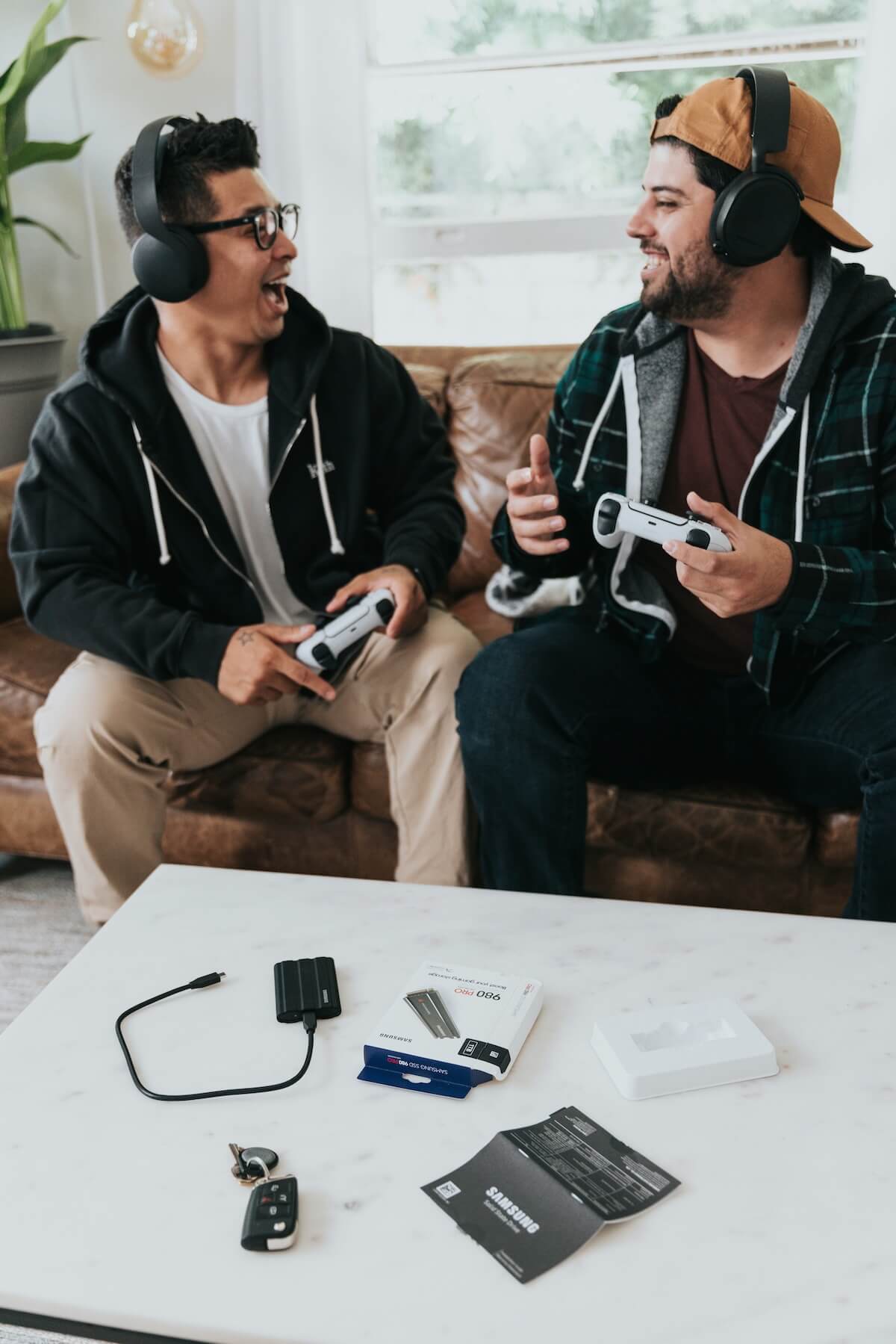
Gaming doesn't have to focus entirely on a single player's experience with a video game. Two-player games have been around for most of video gaming history, allowing friends to bond as they get competitive or even collaborate toward one goal on a single screen. Later, consoles with more controllers allowed for even more co-op fun, and then the internet made it possible to play with and against players from all around the world in new and exciting ways. Most of the biggest multiplayer games encourage communication, cooperation and teamwork, which can help you meet people and build social skills, even if you never leave home. And then there's the social aspect of fandom. Sharing favorite games can give you something in common with new people, opening the door to friendships, and engaging in fandom communities can help you fall in love with the series even more deeply.
(via Unsplash)
For even more on gaming, click HERE to discover some basic terms that every gamer should know.