Emojis are a part of our daily communications, but in many ways, they are also somewhat of an art form.
They can be used to express a wide variety of emotions, from amusement to, well, the opposite. In this case, we’re talking about the “unamused face” emoji: 😒.
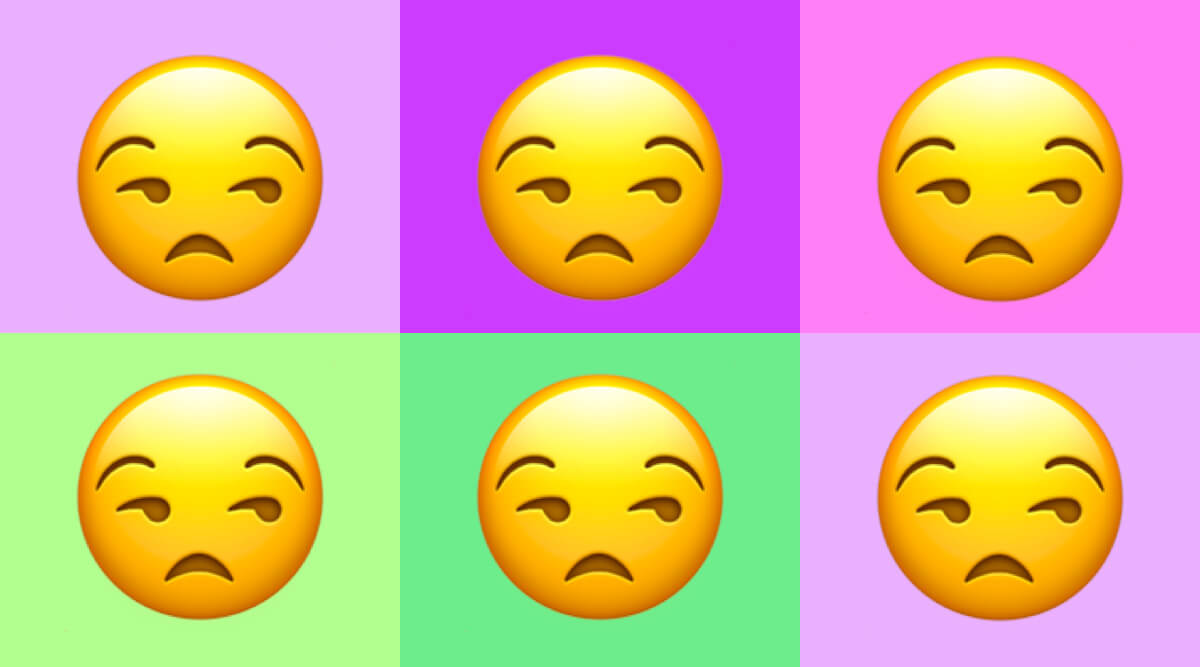
What 😒 Means in Texting
If you need a quick little refresher on all things amusing about this wry-smiled face, here’s your guide to what it can mean:
- Being bothered/bugged
- Feeling irritated or displeased
- A general sense of grumpiness
- Skepticism about something or someone
While it’s not exactly a “happy” or “positive” emoji by any means, the unamused face can still go a long way when used correctly.
Also read about: What Does the 😆 Emoji Mean?
😒 From a Crush
So what does the 😒 emoji mean in a text from a crush? Well, whether you get 😒 from a guy or a girl, prepare for them to be in a grumpy mood.
If you get this face in response to something you’ve done, be very mindful of your actions, as chances are they aren’t happy with you!
However, when this emoji is used to refer to someone else or an unpleasant situation in general, it may be a signal that they feel open and honest with you. This might be a great time to lend an ear and hear what’s bothering them, and strengthen your bond in the process.
Also read about: What Does the 😌 Emoji Mean?
Other Interpretations
However, 😒 can also mean:
- Plain old boredom (“this is so dull”)
- Being unimpressed (“that’s all you’ve got?”)
- Quiet jealousy or being a little salty about something
- Playful side-eye when you’re teasing a friend
Because the face is so subtle, the same emoji can land very differently depending on who sends it, which is why the rest of the conversation matters just as much as the emoji itself.
Where 😒 Comes From
The official Unicode name for 😒 is “Unamused Face,” and it was approved as part of Unicode 6.0 in 2010.
Its half-lidded eyes and flat, slightly downturned mouth look like a classic side-eye, which is how it grew from a simple “unamused” label into shorthand for annoyance, skepticism and “really?” energy in everyday texting.
Also read about: What Does the 🥺 Emoji Mean?
Common Combos and What They Mean
Pairing 😒 with other emojis can change its tone fast. Here are a few you’ll likely see:
- 😒😂 usually signals playful teasing, like “I can’t believe you said that, but it’s kind of funny.”
- 😒😔 often reads as hurt hiding behind annoyance, so it might be worth checking in.
- 😒😏 leans into flirty, ironic side-eye, especially between people who already tease each other.
When to Use 😒 (and When Not To)
The unamused face works best in casual, low-stakes moments, like venting about a shared annoyance in the group chat or teasing a friend who just said something ridiculous.
It falls flat in serious conversations, apologies or any time someone is being vulnerable, since it can come across as dismissive. When in doubt, lead with your actual words and let the emoji back them up.
Feeling extra annoyed? Check out What Does the 🙄 Emoji Mean?