A Guide to Different Types of Drawing and Painting Media
People who aren't that familiar with art might think of drawing as an artform of just pencil and pen , or painting to be all about acrylic paints, when nothing could be further from the truth.
In fact, the more you dive into the visual arts in either of these categories, the more unique approaches you'll discover that include all kinds of interesting tools. Step into any art store, and it's likely you'll be overwhelmed with options for countless art supplies at every price range imaginable. Whether you're looking to try something new yourself or just seeking a better understanding of the different styles out there, here's a quick guide to the various type of drawing and painting media.
Acrylic Paint
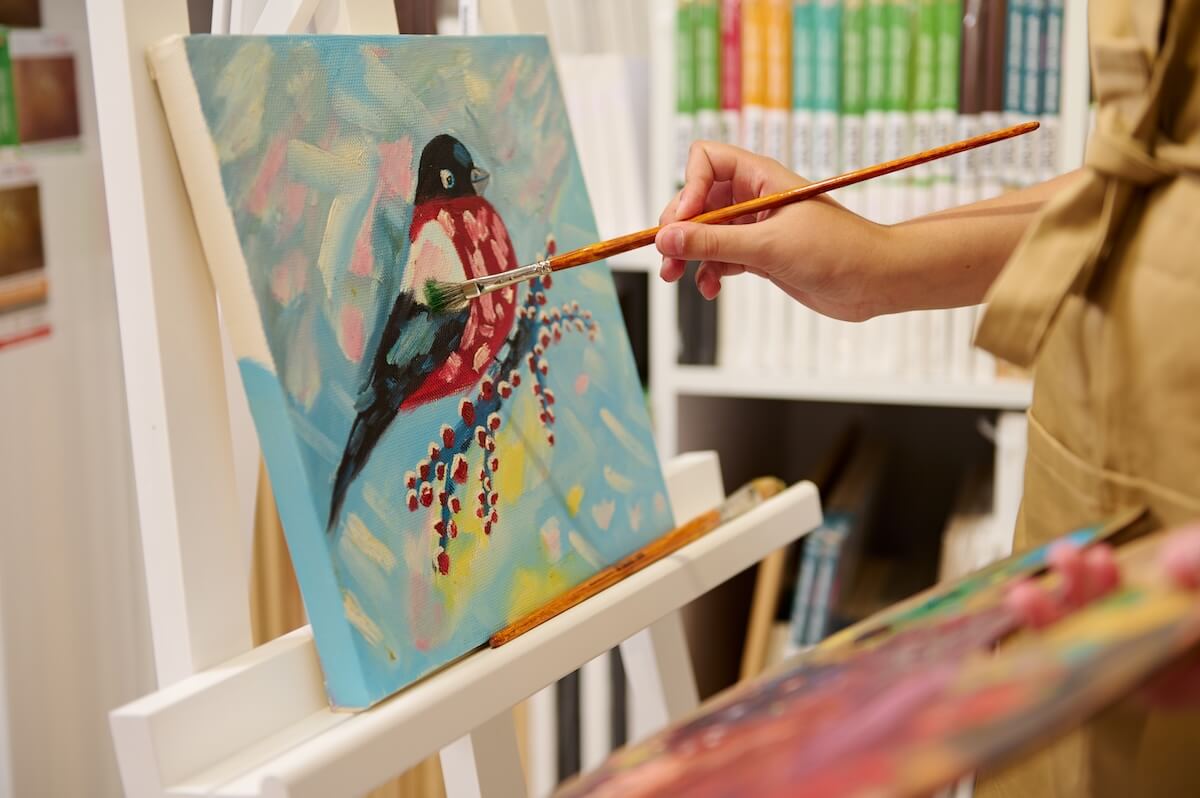
Acrylic paint is one of the most commonly used types of paint for artists because it's beginner-friendly but can also produce professional results. It's made from pigment in a plastic-based medium and is known for drying quickly, and while it's generally opaque, it can also be mixed with water for lighter, softer effects or even thickened with pastes and gels to create texture.
(via Shutterstock)
Acrylic Paint Markers
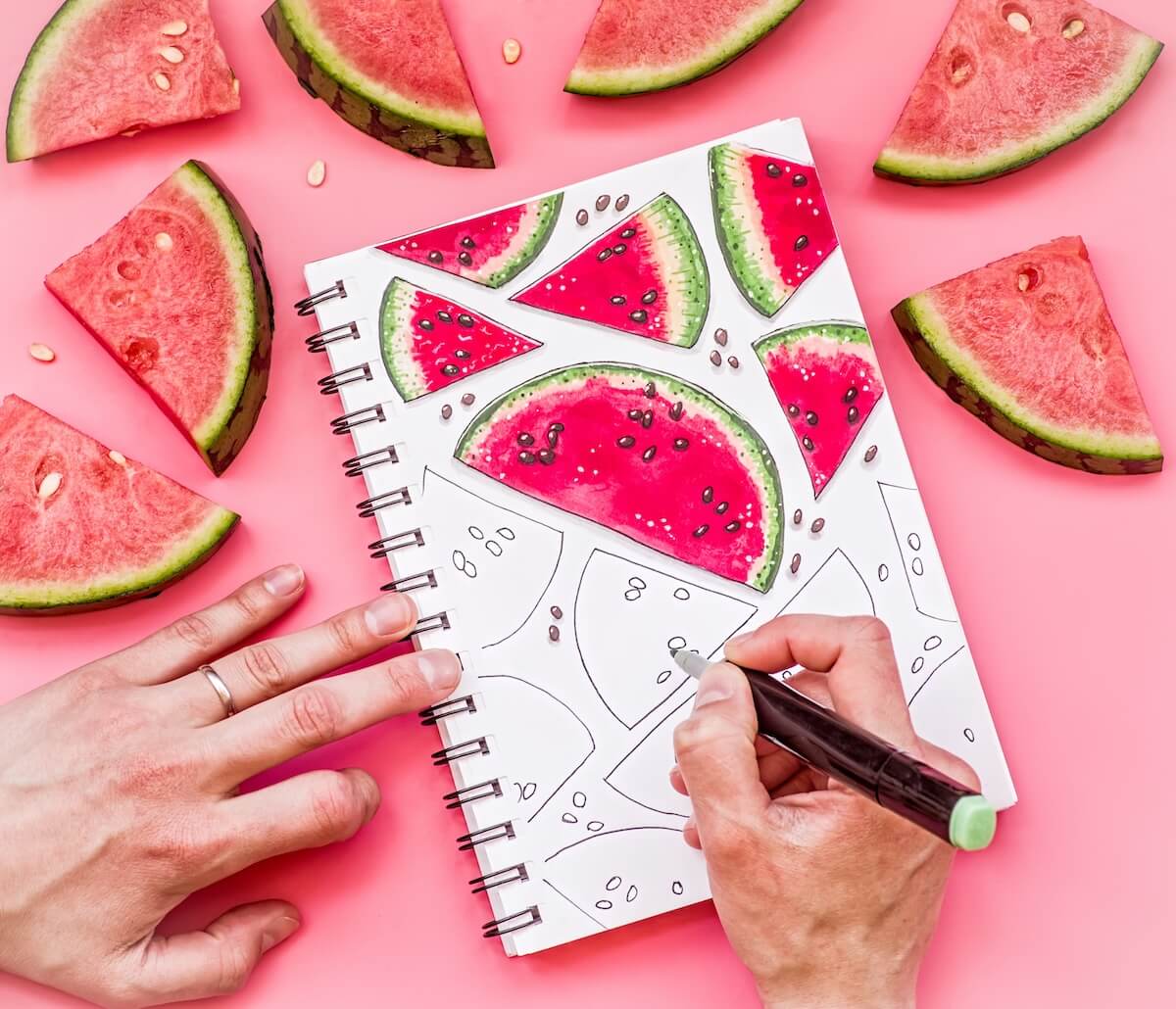
Acrylic markers aren't anything like the markers you likely grew up coloring with in school, because instead of a regular pigmented ink, they dispense acrylic paint. Not only do they look extra vibrant on paper, creating opaque colors and allowing for topping off with bright highlights and color corrections, but they can also be applied to other surfaces, including wood and ceramic, and stay put with the proper sealants.
(via Shutterstock)
Alcohol Markers
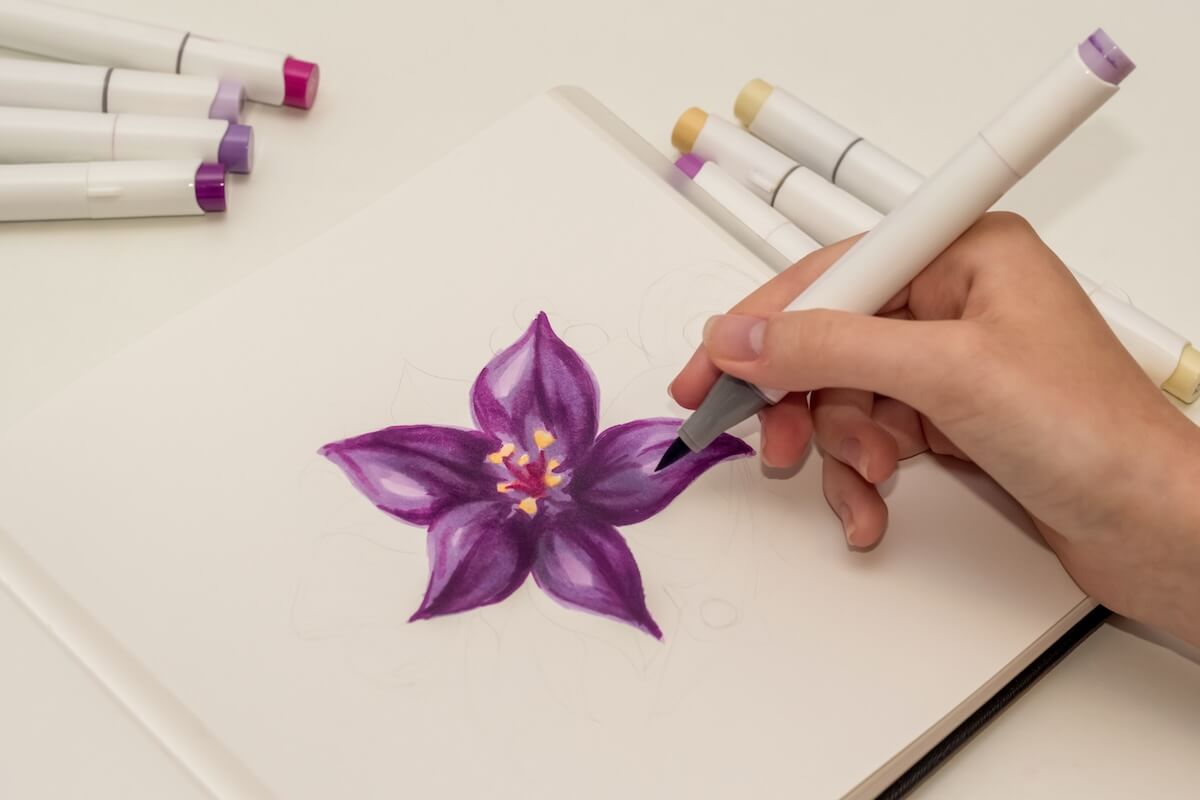
Alcohol markers, on the other hand, feature an alcohol-based pigment that allows them to dry quickly. High-quality alcohol markers don't smudge, but also allow for beautiful blending and layering, with good coverage on the page.
(via Shutterstock)
Charcoal
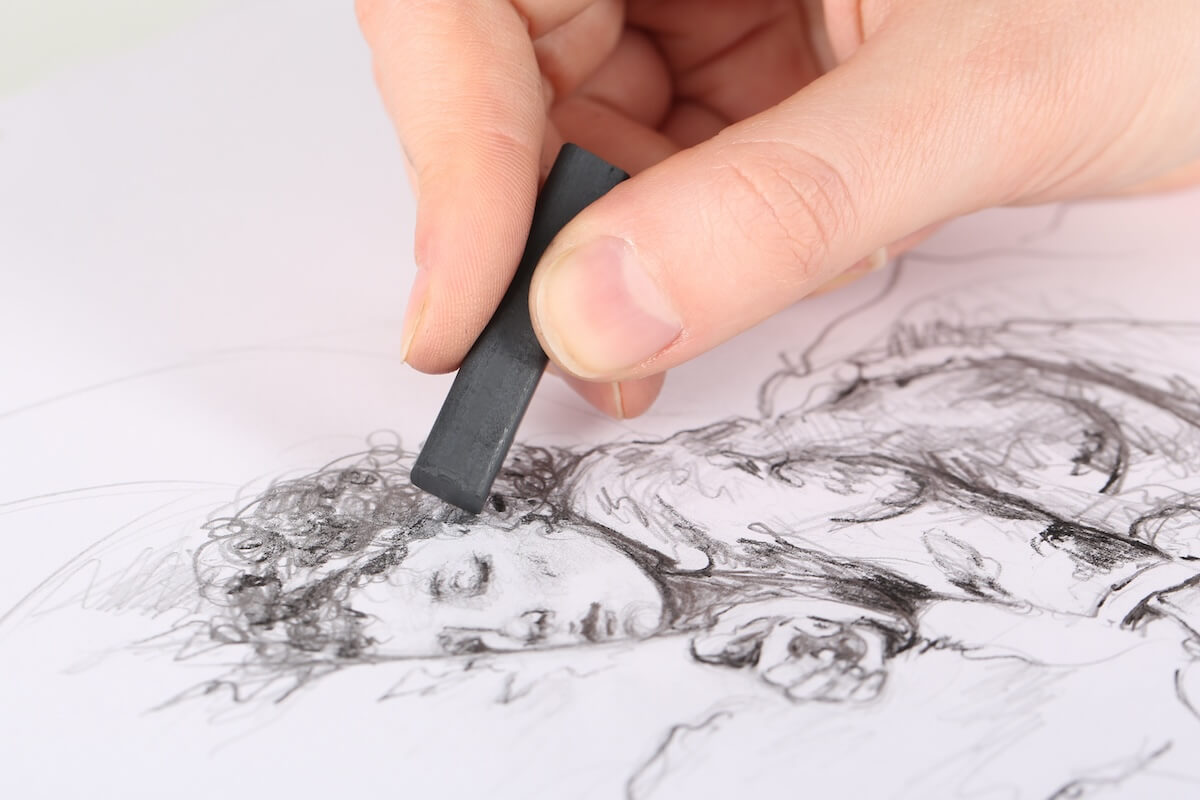
Charcoal is a unique medium that can be a little messy for beginners but can produce striking results without spending a lot of money. It's great for imagery rendered in black and white, allowing artists to create deep, dark black shades, as well as light greys, with the right pressure and application. It's also excellent for people who enjoy working with graphite, but aren't fans of the metallic sheen it gives off.
(via Shutterstock)
Also read about: Not Into Drawing and Painting? Here Are 6 More Ways to Feel Artistic on World Art Day
Gouache
As a painting medium, gouache has been used since Ancient Egyptian times, and it remains just as important today. Also known as opaque watercolor, it's a water-based paint made up of pigment and some kind of binding agent. It's used similarly to watercolor, but it's thickened so that it's opaque and paint-like. We do recommend testing colors and experimenting, as the colors don't always look the same once the piece has dried.

(via Shutterstock)
Ink
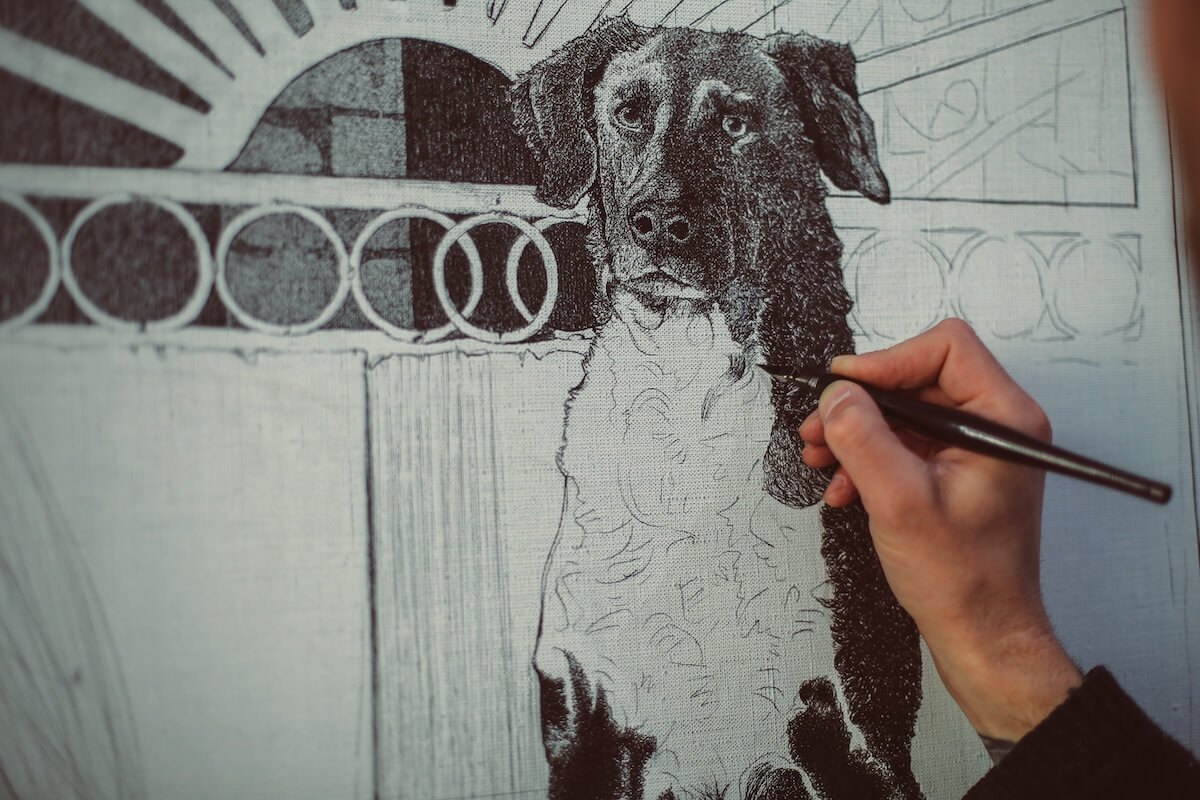
Everyone has used an ink pen at some point, but the sky really is the limit when it comes to using inks for art. Yes, you can use a regular ball-point pen, if you like, but learning to use fountain pens with different types of inks in various colors opens up so many more possibilities. It's another area that's highly open to experimentation, and you can even use ink with brushes if you're inclined.
(via Shutterstock)
Oil Paints
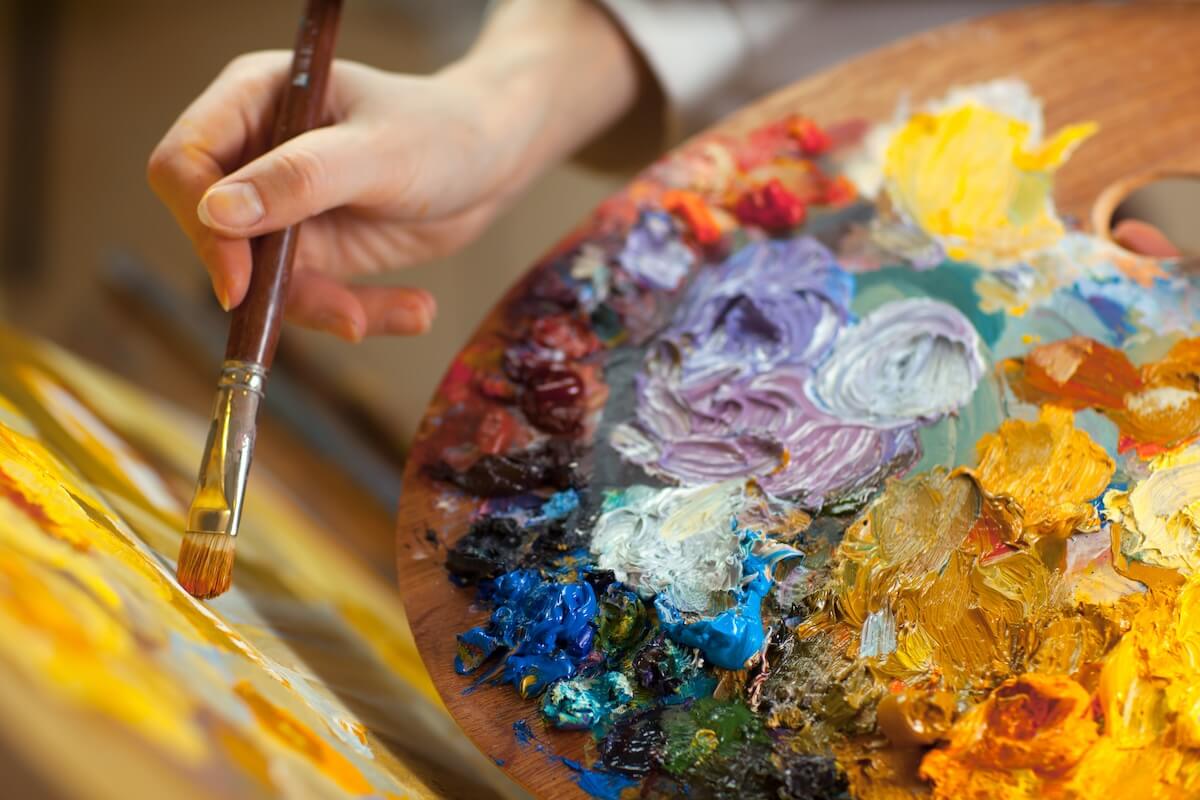
Oil painting has been around for more than 1,500 years, and it's a medium that's certainly stood the test of time. These paints are made up of pigment suspended in some kind of oil, and the fact that they dry extremely slowly means it can take a very long time to paint with them, but also that you have plenty of time to make corrections and blend colors smoothly. However, oil painting can also be quite costly, and we recommend always using them in a well-ventilated area, as some pigments as well as their solvents can be toxic.
(via Shutterstock)
Pencils
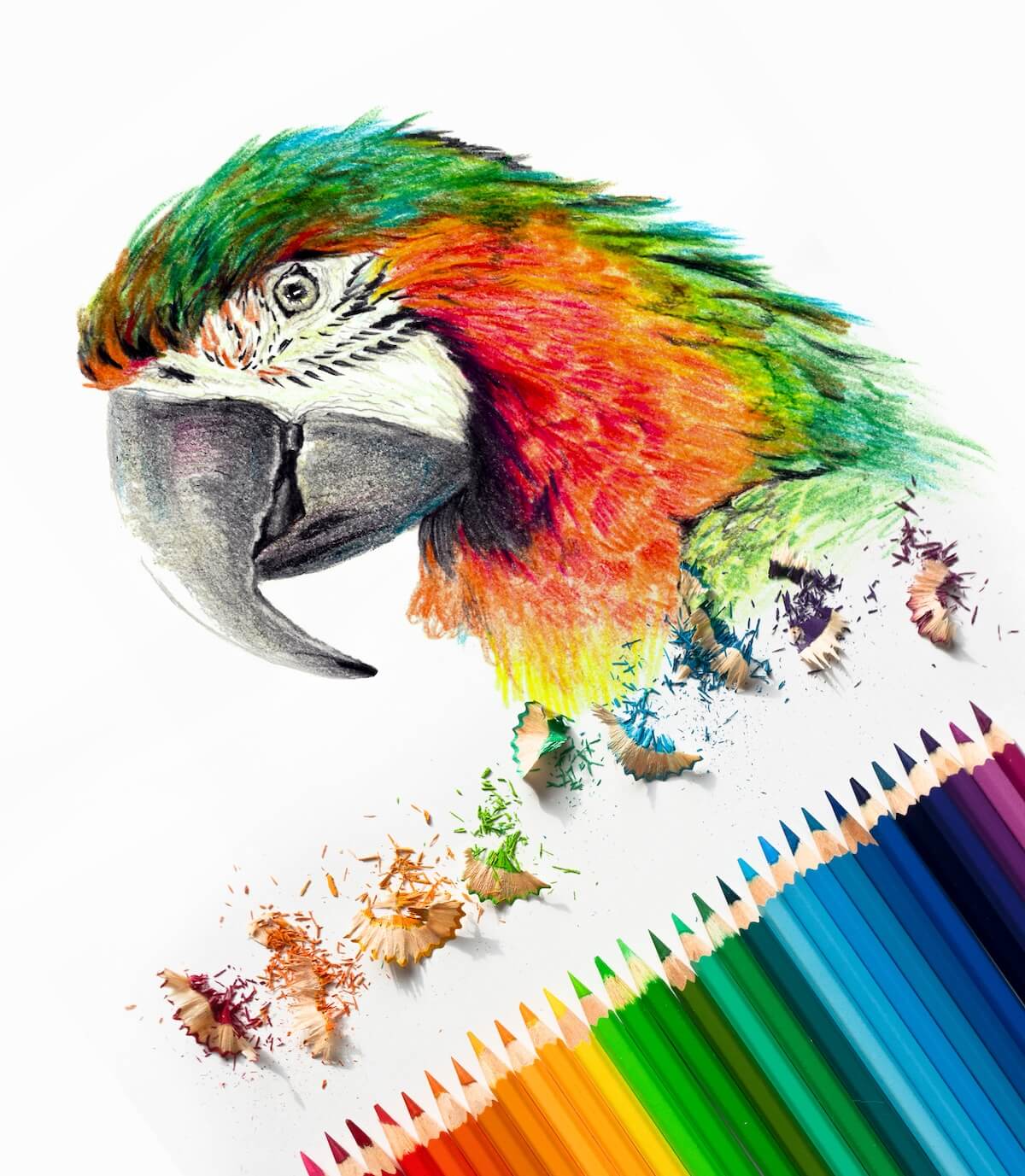
Anyone who's been in school has used a pencil, but their artistic potential can be highly underestimated. Drawing with graphite is very popular, with different hardnesses producing different shades of grey with varying levels of precision and smoothness, with colored pencils creating even more artistic opportunities. High-quality colored and highly pigmented pencils can also be on the pricey side, but in the right hands, they're fully worth the effort.
(via Shutterstock)
Also read about: 9 Art and Illustration Pages You HAVE to Follow on YouTube
Pastels
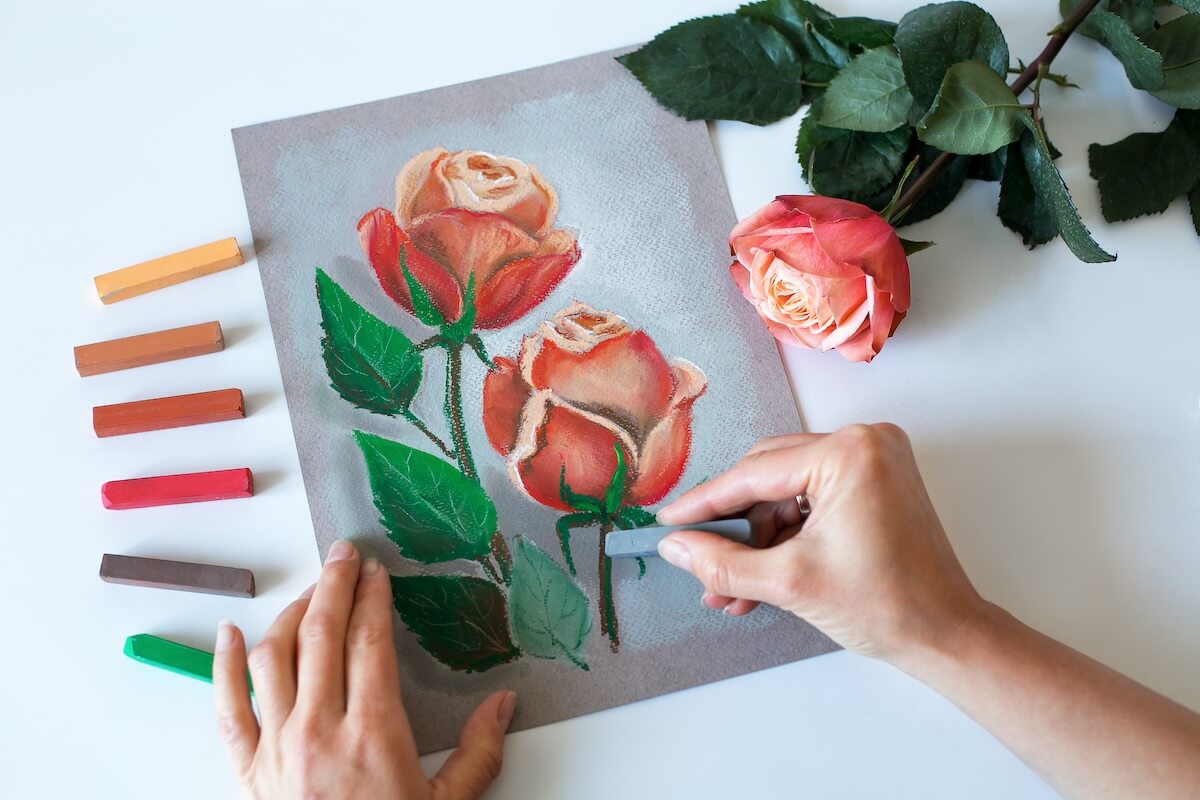
While we most associate pastels with elementary school art projects, they're another tool that can create some undeniably striking art. They're made up of powered pigment suspended in some kind of binder and can come in many different forms, including soft pastel sticks for colorful smudging and blending, hard pastel sticks for delicate detailing and sketching and pan pastels that come in a pan-shaped compact and are applied with sponges, like makeup. There are also oil pastels, recognized for their buttery texture, and water-soluble pastels that can be further manipulated with a water wash.
(via Shutterstock)
Tempera Paint
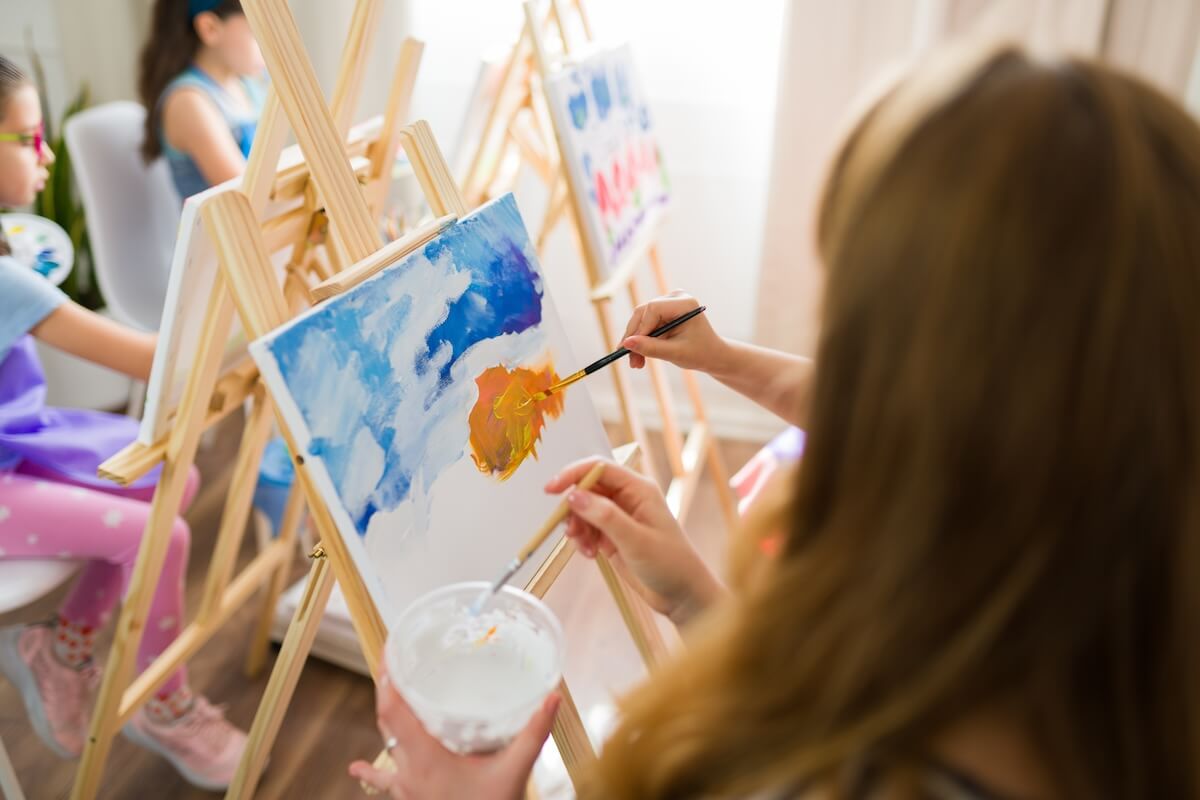
Tempera painting dates back to Ancient Egypt, with the paints is made from pigments in a water-soluble medium. Though the poster paint popular in kids' classrooms is also referred to as tempera, the experts use more elevated supplies. Either way, tempera dries fast and is easy to clean up, and it's a highly versatile form of painting that allows for bold, long-lasting colors.
(via Shutterstock)
Water-Based Markers
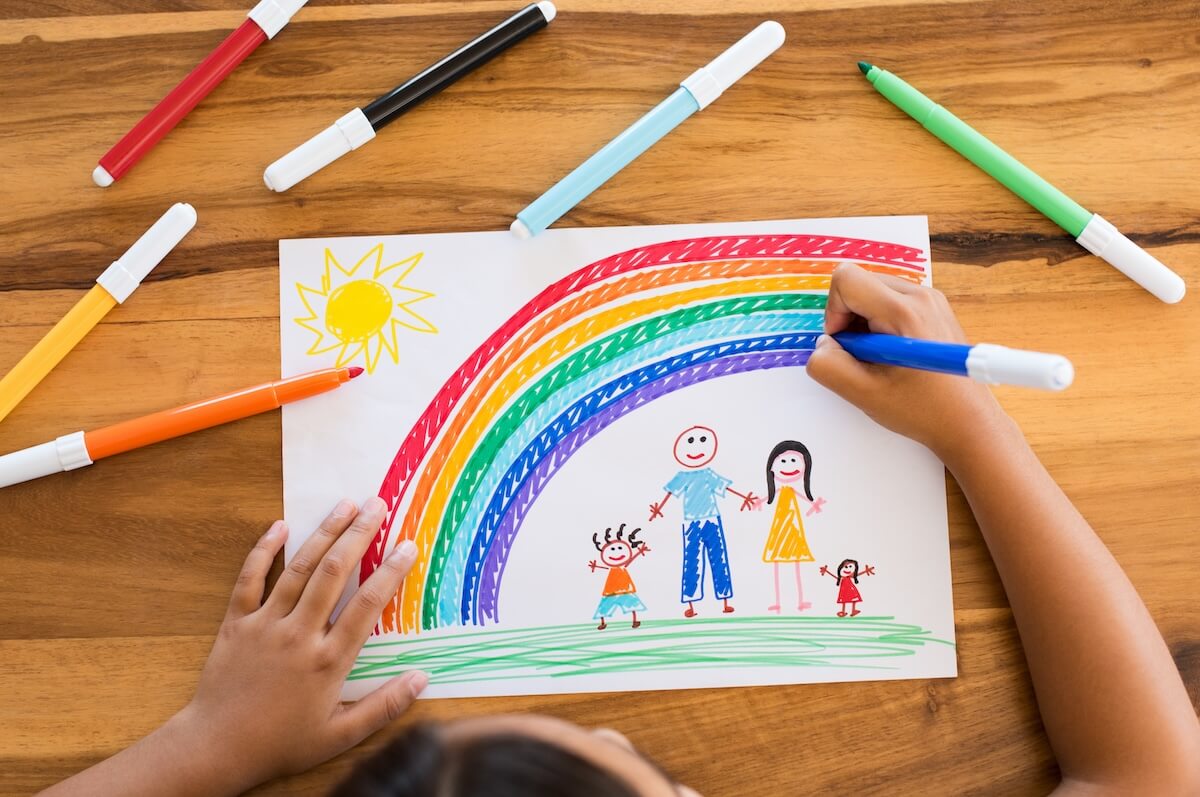
Water-based markers are the standard for kids and school projects because they're inexpensive, easy to use and can easily be wiped up in case kids make a mess. They're ideal for less serious work, like coloring pages, notes and journals, and can even create water-like colors under the right circumstances. However, they're not very versatile, and since they soak into paper, layering or darkening with them can make it thin enough to tear through, and the colors aren't known for blending well.
(via Shutterstock)
Watercolor
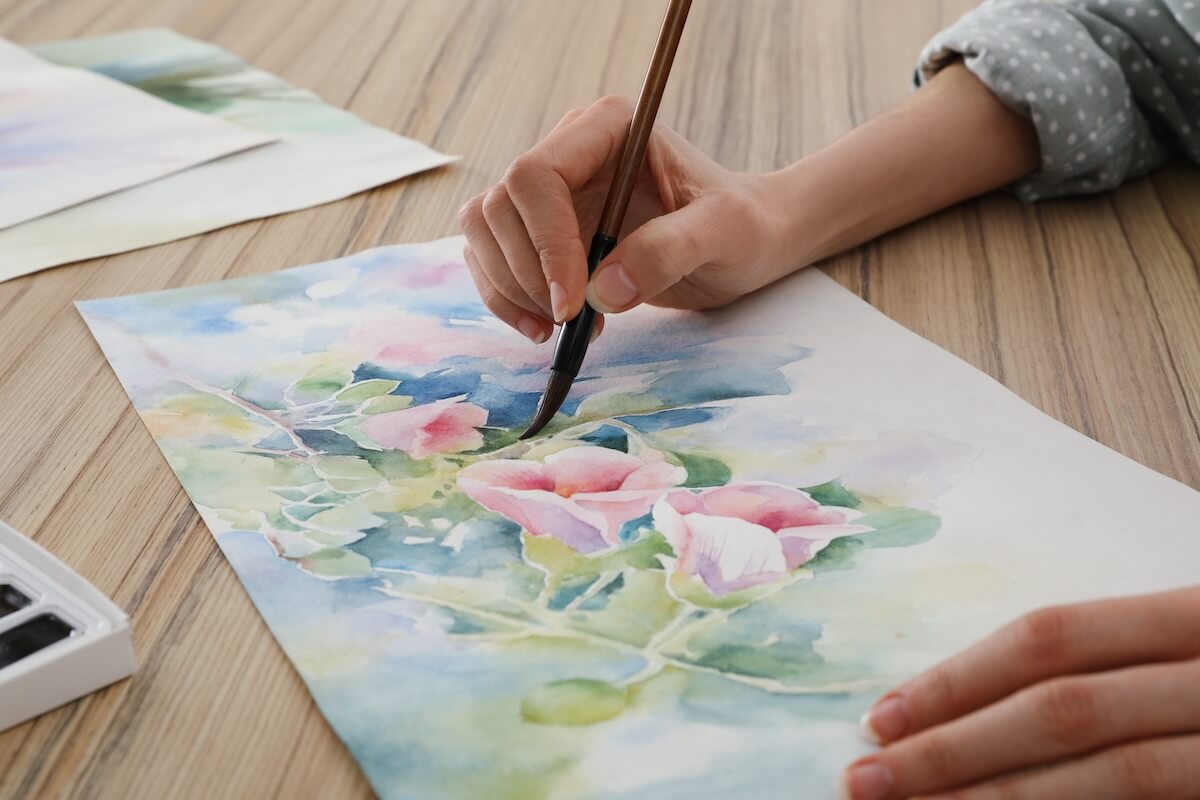
Watercolors can be challenging to master, but once you have a handle on them, the art you create can be remarkably beautiful. Made up of pigment in a water solution, watercolor can come in pans or tubes or even, with artists adding water to get the right vibrancy and consistency, or even in a pre-made liquid form. The color is then applied with brushes to either dry or wet paper for different effects, with watercolor famous for its soft edges as well as colors.
(via Shutterstock)
Obsessed with art? Click HERE to check out some of the most famous and unforgettable paintings you can see all across New York City.