Henry Morris is entering a new chapter of his career, and he’s got plenty to show for it. Since we last caught up with the artist, he’s surpassed 125 million streams, hit the road with Artemas and teamed up with G-Eazy for their collaboration, “High All the Time.”
But beyond the impressive milestones, Henry has also experienced significant personal and artistic growth. He’s found new confidence in his sound and learned to embrace the experiences that shape his music.
Known for his cinematic sound and emotionally vulnerable songwriting, Henry isn’t afraid to explore the messier sides of love. His latest project dives into desire, obsession, intimacy and heartbreak, transforming complicated relationships and personal struggles into songs that feel both deeply personal and universally relatable.
We caught up with Henry to discuss everything from his friendship with Artemas and unexpected collaboration with G-Eazy to the lessons he’s learned about love, self-worth and staying true to himself. He also opened up about the songs that challenged him most, the accomplishments he’s proud of and why he believes his fans haven’t seen anything yet.
Keep reading for our full interview.
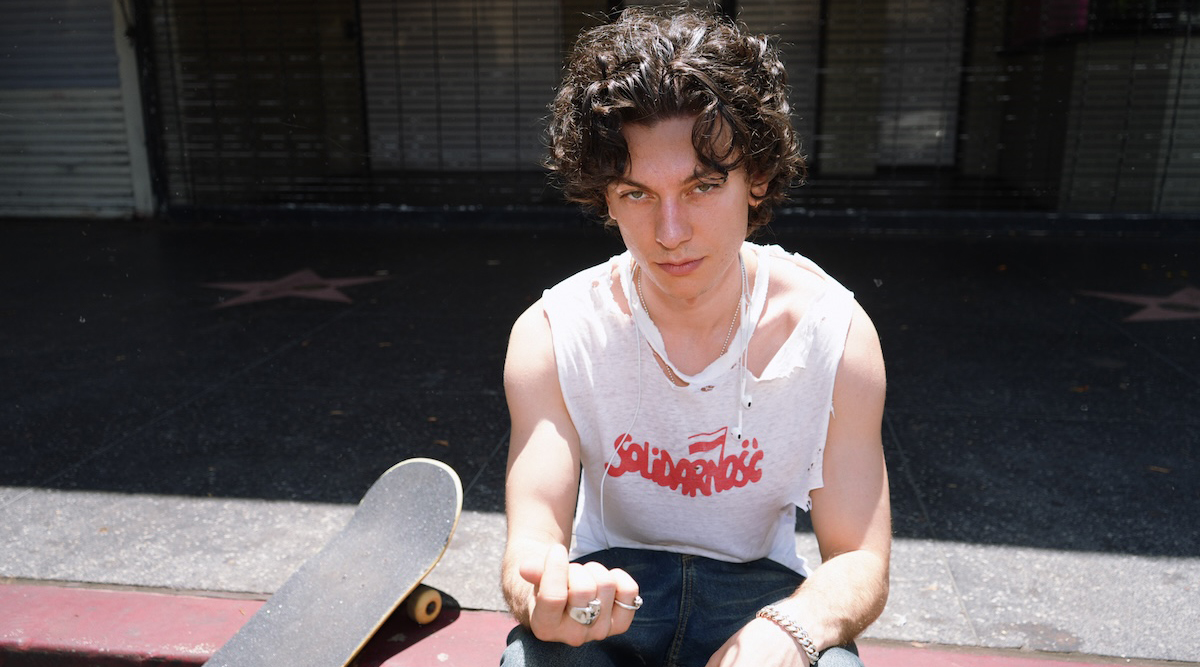
(Photo credit: Maytal Star)
Also read about: Henry Morris Talks Performing, His Career and More Following His Debut Sold Out Show in L.A.
Sweety High: Since we last spoke, you’ve collaborated with G-Eazy, surpassed one million streams and toured with Artemas. When you look back at who you were as an artist then compared with who you are today, what has changed the most?
Henry Morris: I’ve gone through some of the most difficult emotional experiences of my life. I also became best friends with Artemas, and he really showed me how to consistently make a good song. When we last spoke, I probably said some mystical-sounding things that made it seem like I knew what I was doing, but honestly, I didn’t.
Working with Artemas taught me how to make a song I’m happy with more consistently. I’m not saying I can only make good music, but now, once a song is finished, I can tell whether it works. That’s huge for me. I’ve also lived a lot and been to a lot of places, so I have more to talk about now.
SH: You’ve developed a distinct, almost cinematic identity in your music. How important has it been to preserve that artistic identity as your audience has grown?
HM: I hope people who read this, especially my fans who are artists themselves, know that it’s okay to be the most natural version of yourself. Growing up, something can happen that convinces you that whatever comes naturally to you is the exact opposite of what you should be doing.
I’ve worked for a long time to get where I am, and I’ve realized that the more genuinely myself I am, whether in silly videos or in my music, the easier life gets. It also comes across better because I’m not pretending to be cool or deep. I just talk about what’s going on.
A lot of my latest album came from experiences of loving and losing. That’s important for songwriting: being real about what you’ve lived through.
SH: Your latest album explores desire, intimacy, obsession, heartbreak and complicated relationships. What was happening in your life, creatively or personally, that made you want to explore those themes?
HM: I’m drawn to songs about the hardships of life. They can be difficult, but there’s often some sweetness in them, too. So many songs are about love, being in love, losing it or breaking up. When something like that happens, I’m able to channel it into music. You can write about it a million times and keep finding new things to learn about yourself.
A lot of good things have happened since we last spoke. We’ve had songs do well, gone on tour, and I’ve met people I’ve always looked up to who are now my friends. But for some reason, I haven’t been able to write a song about those things. I tend to make music when I’m feeling low. I wouldn’t recommend that approach to anyone trying to live their life, but it’s what feels authentic to me. People can sense when something isn’t genuine.

(Photo credit: Maytal Star)
Also read about: 50 Dark Artemas Lyrics to Use as Your Next Instagram Caption
SH: You’re very vulnerable in your songwriting. Was there a song on this release that was especially difficult to write because it was so personal?
HM: “Crawling Back to You” was definitely the most difficult to write. It’s about how easy it is, in love or in your career, to look back at something harmful and remember it as incredible, even when you know you shouldn’t go back to it.
“Church Bells,” which isn’t on this release, is probably my favorite song I’ve ever made. I worked on it for six months, and it stumped me in so many different ways before it was finished. I say this when I perform, too: all my songs are about the same thing, just different versions of it. Sometimes it’s a different person, but often it’s the same one.
SH: Have fans connected with a particular song or lyric in a way that surprised you?
HM: The song “I Can Be Your Daddy” surprised me. Even saying the title out loud feels silly. You might hear the title and think it’s going to be a cringe song about someone acting macho, but it isn’t. I think some fans expected that and were surprised when they heard it.
It’s become the biggest B-side on the record, and it’s one of my favorite songs. I put it at the very end thinking, “Just in case nobody sees this,” so I was surprised people liked it.
Also read about: G-Eazy Delivered a High-Energy Performance at The Shrine in Los Angeles
SH: You pushed the album back a week to include “High All the Time,” your collaboration with G-Eazy. How did you connect, and how did it become a full collaboration?
HM: G-Eazy followed me on Instagram, and I happened to be on the app when it happened. I thought it was ridiculous. I messaged him and asked if he wanted to come to an Artemas show I was opening for. I knew they knew each other, so I thought it might work, and I was already scheming a little.
He said yes, so I sent him some songs I’d been working on. He FaceTimed me and said one was goofy, but another was really good and we should do something with it. I was hoping he’d say that, but I tried to play it cool. We worked on his verse over FaceTime, and he sent it back while I was on the last U.S. leg of the Artemas tour. I listened to it on the tour bus and couldn’t believe I had a real artist like him on a song with me.
Now he’s one of my good friends. We text about all kinds of things, and he’s given me advice about playing shows in cities where most of the crowd doesn’t speak English.
SH: Last year, you were still working toward many of the milestones you’ve reached now. What’s something you wanted then that you’ve accomplished, and what’s a goal you’re still working toward?
HM: I hoped I’d get to work with someone I looked up to, and now he’s one of my best friends. I also hoped I’d make enough money to stop being completely broke and afford Chipotle. Not being broke is cool.
I also wanted to separate my self-worth from how my music was doing and whether I was writing good songs. Songwriting has seasons, sometimes it’s going well, sometimes it isn’t, and I’ve gotten better at not tying my worth to that.
I still find it hard to be happy with what I’ve done because I always want more. I’m competitive, and it’s hard not to see other people doing amazing things and wonder why I can’t do that. I’d like to get better at being content with my accomplishments by the next time we speak, but that’s honestly where I’m at.
SH: When someone listens to your music, would you rather they understand exactly what you felt when you wrote it, or make the song their own?
HM: I’d want them to make it their own, for sure. That’s what makes music cool and a little mysterious.
SH: If the Henry Morris from a few years ago could see you now, what do you think he’d be most proud of?
HM: He’d be proud that I kept showing up for myself and focused on making the songs better instead of focusing on making the content better. You can’t let marketing matter more than the ideas. Make something cool, and the rest can follow. I’m glad I focused on the music instead of trying to make my TikTok videos better, because that’s brought me much further.
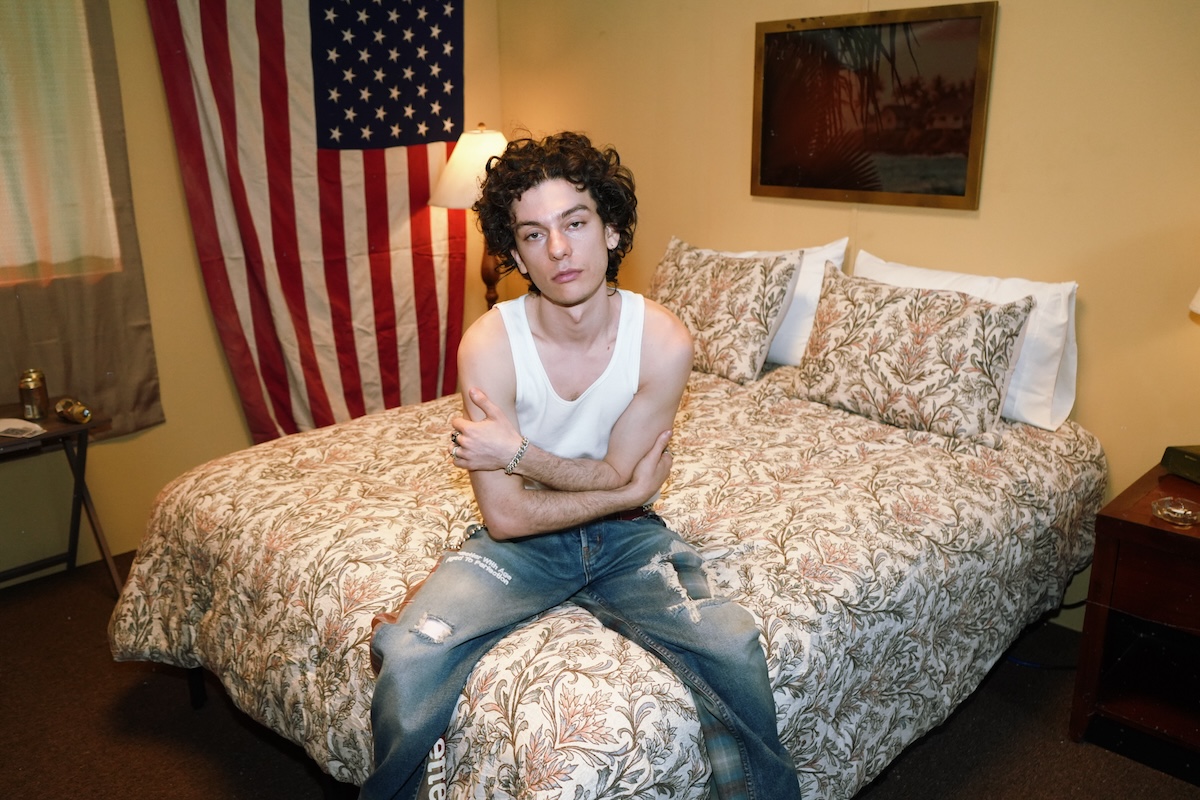
(Photo credit: Maytal Star)
SH: Is there anything else you’d like to add or share with your fans?
HM: I want to shout out my fans. I feel like when I have a big moment, we’ll do this again, and I want the fans reading this to feel special because they haven’t seen anything yet. I’m just getting started.
For more artist interviews from Sweety High, check out Chris Grey on Passion, Performance, Paradise Lost and His Breakout Tour.