For a long time, summer and tailoring existed in quiet opposition. As temperatures rose, suits were tolerated rather than enjoyed, worn out of obligation instead of desire. That dynamic has shifted. In 2026, summer suiting is no longer about endurance. It is about intelligent fabric choices, thoughtful construction and a renewed understanding of how tailoring can work with the season instead of against it.
The conversation has moved beyond simply wearing less. It is now focused on wearing better.
Why Fabric Matters More in Summer
In warmer months, fabric does more than define how a suit looks. It determines how it feels, how it moves, and how long it remains wearable throughout the day. Poor fabric choices expose every weakness in tailoring. Good ones disappear on the body.
As a result, fabric innovation has become the most important factor in modern summer suits. Weight, weave, breathability, and recovery are now considered as carefully as cut and silhouette. The best summer tailoring does not rely on visible casual cues. It relies on engineering.
This shift reflects a broader change in menswear priorities. Comfort is no longer a compromise. It is an expectation.
(via Pexels)
Linen and Its Modern Reputation
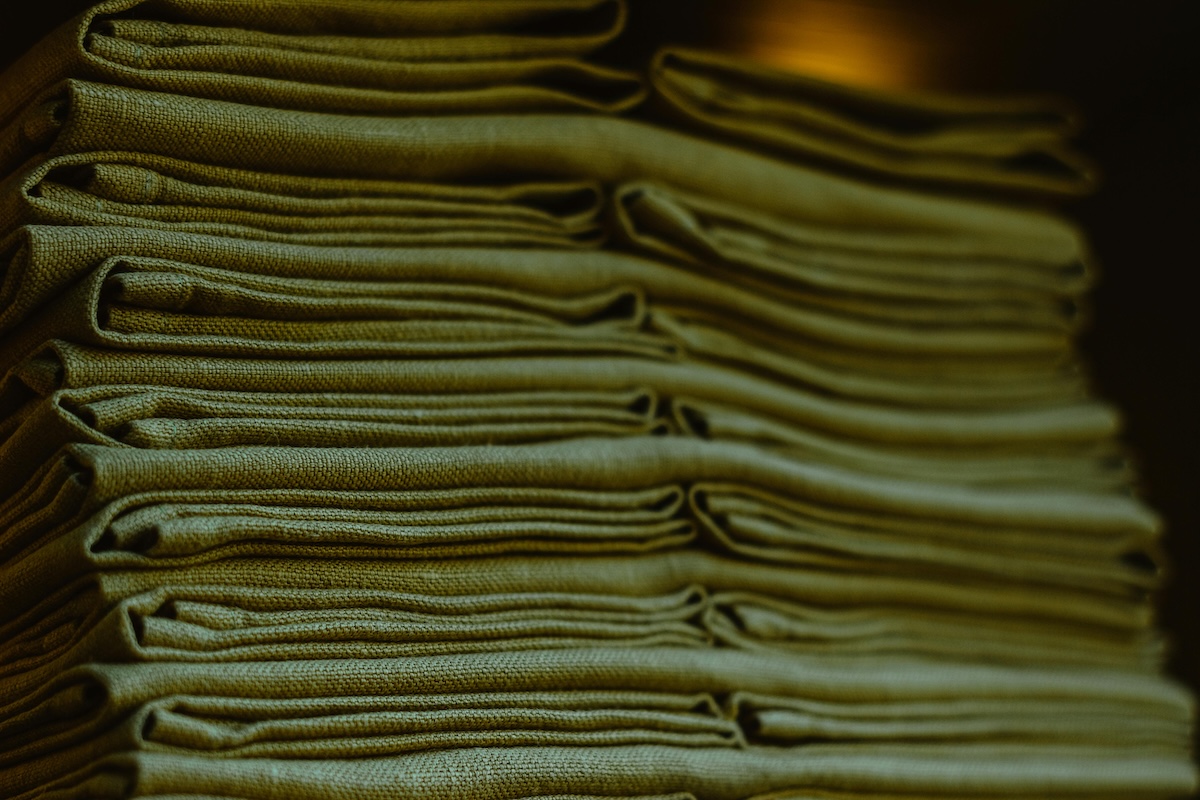
Few fabrics are as closely associated with summer as linen. Historically, it carried a reputation for looking rumpled and informal, suitable only for very specific settings. That perception has changed significantly.
Modern linen fabrics are woven with greater precision, resulting in cloth that retains the natural breathability of linen while offering more structure and resilience. Creasing is no longer viewed as a flaw, but as part of the fabric’s character. What matters now is how the suit holds its shape overall.
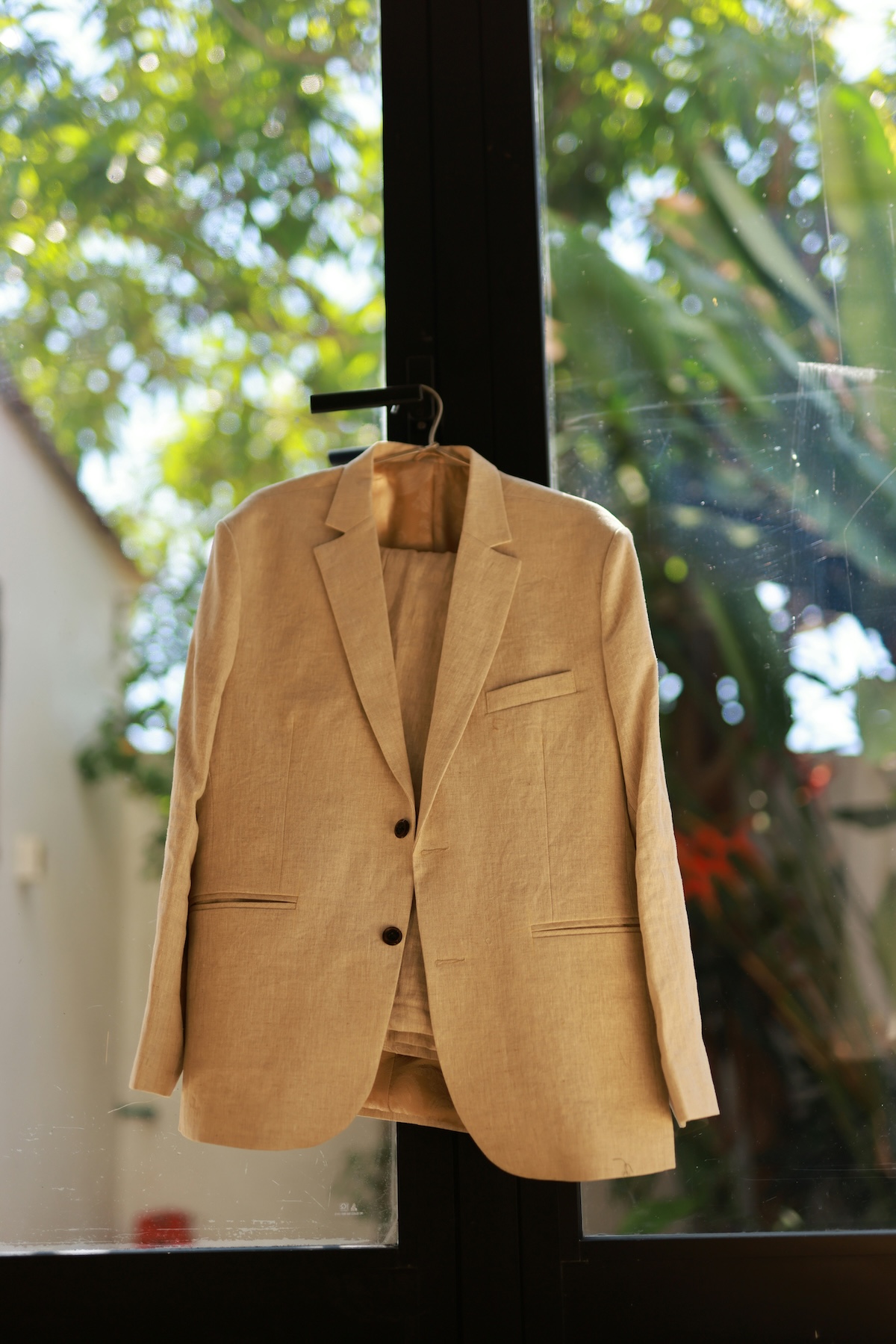
This evolution has made options like linen suits for men increasingly relevant, especially for men who want tailoring that feels seasonal without sacrificing presence.
Blends That Balance Performance and Character
While pure linen has reclaimed its place, blends are playing an equally important role in summer suiting. Linen mixed with cotton, silk or wool allows designers to fine tune performance.
Cotton adds softness and stability. Silk introduces subtle sheen and fluidity. Wool improves recovery and structure while remaining breathable when woven lightly. These combinations create suits that feel lighter on the body but stronger in form.
The result is a category of summer tailoring that works across a wider range of settings, from professional environments to social occasions, without signaling discomfort or compromise.
Construction That Lets the Fabric Work
Fabric alone is not enough. How a suit is constructed determines whether those materials can perform as intended. In summer, lighter canvassing, reduced lining and softer shoulder structures are essential.
Modern summer suits often rely on minimal internal padding, allowing airflow and movement while maintaining a clean silhouette. Jackets drape rather than sit rigidly. Trousers feel relaxed without losing definition.
This approach reflects a growing appreciation for tailoring that responds to climate and lifestyle rather than tradition alone.

Color and Texture in Warm Weather
Summer suiting also opens the door to a more expressive use of color and texture. Lighter shades, natural neutrals and sun-washed tones feel appropriate without appearing seasonal in a narrow sense.
Texture plays a key role here. Open weaves, visible fibers and subtle irregularities add depth to otherwise simple palettes. These details allow a suit to feel considered rather than plain, even when color remains restrained.
In 2026, the emphasis is on harmony rather than contrast. Suits are designed to sit comfortably within their environment.
The New Role of the Summer Suit
Perhaps the most notable change is how summer suits are being worn. They are no longer reserved only for formal moments. Instead, they are styled with intention but flexibility.
Jackets are worn open. Shirts are lighter and softer. Footwear is chosen for comfort as much as appearance. The suit becomes part of everyday life rather than a uniform imposed upon it.
This shift has expanded the relevance of summer tailoring, making it a practical option rather than a seasonal obligation.
(via Unsplash)
Where Summer Tailoring Stands Now
In 2026, the best summer suits succeed because they respect the season. They rely on fabric innovation, smart construction and realistic expectations of how people move through warm days.
The focus is no longer on surviving heat while wearing a suit. It is on designing suits that belong in summer. Lightweight, breathable and refined, modern warm weather tailoring proves that structure and comfort no longer have to compete.
Summer suits have not disappeared. They have simply learned how to breathe.
Keeping an eye on the trends? Click HERE to discover the hottest winter 2025/2026 trends for men.