Eat These 7 Lucky Foods for Good Luck in the New Year
Who needs a New Year's resolution when good luck follows you everywhere you go?
It's not hard to find a little good fortune in the new year. All you have to do is start it off by eating lucky foods. Check out this list of seven good luck foods from around the world so that you can start Jan. 1 off on the right foot.
New Year's Cookies
Around the world, numerous types of cookies are enjoyed on the new year, many with their own unique traditions attached. Thin and crispy Knickerbocker cookies are named after the iconic hotel's proximity to Times Square New Year's festivities and signify good cheer and celebration, while the deep-fried, raisin-packed portzelky is an old-school German recipe that's so rich and decadent that you only eat it once each year to start things off right.

(via Shutterstock)
Also read about: How to Actually Follow Through With Your New Year's Resolution
Grapes
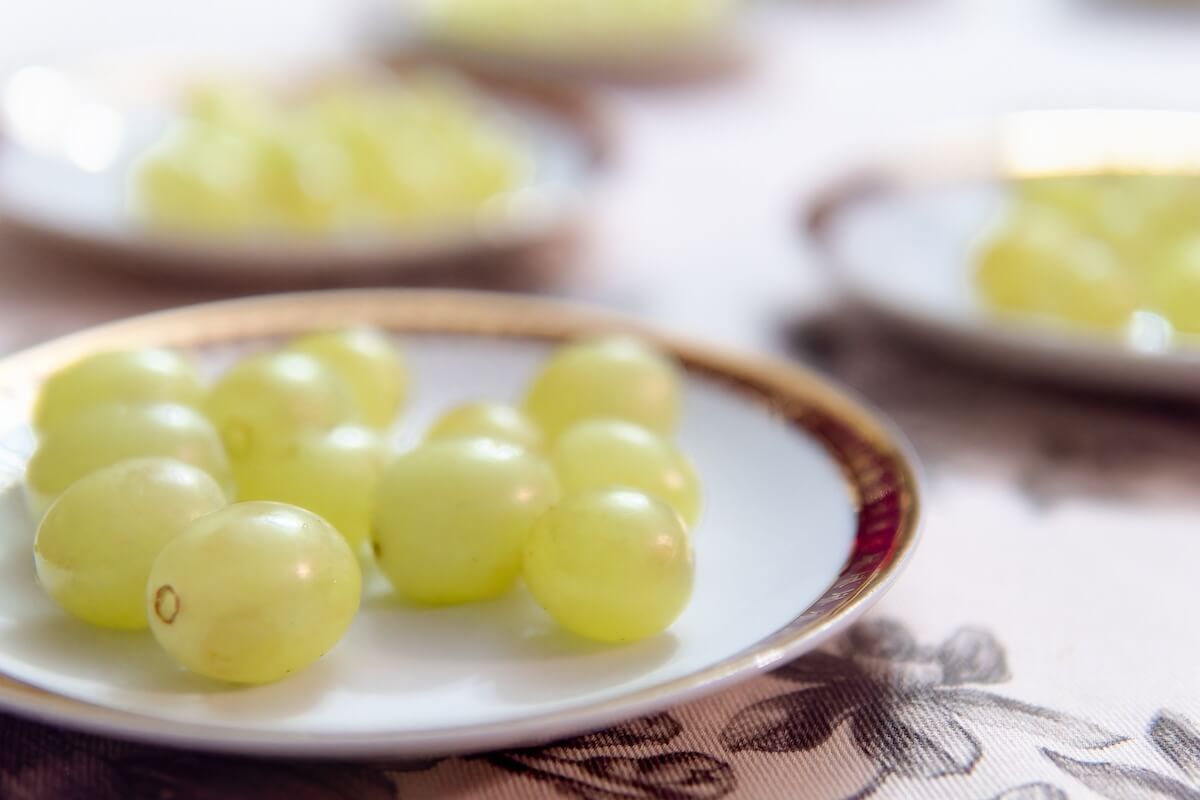
Spain has a very specific New Year tradition involving grapes. At the stroke of midnight, you must eat a dozen lucky grapes—and you have to do so before the clock chimes 12 times. Each grape symbolizes a different month of the year, and if you fail, you'll be visited by bad luck in the 12 months that are yet to come.
(via Shutterstock)
Hoppin John'
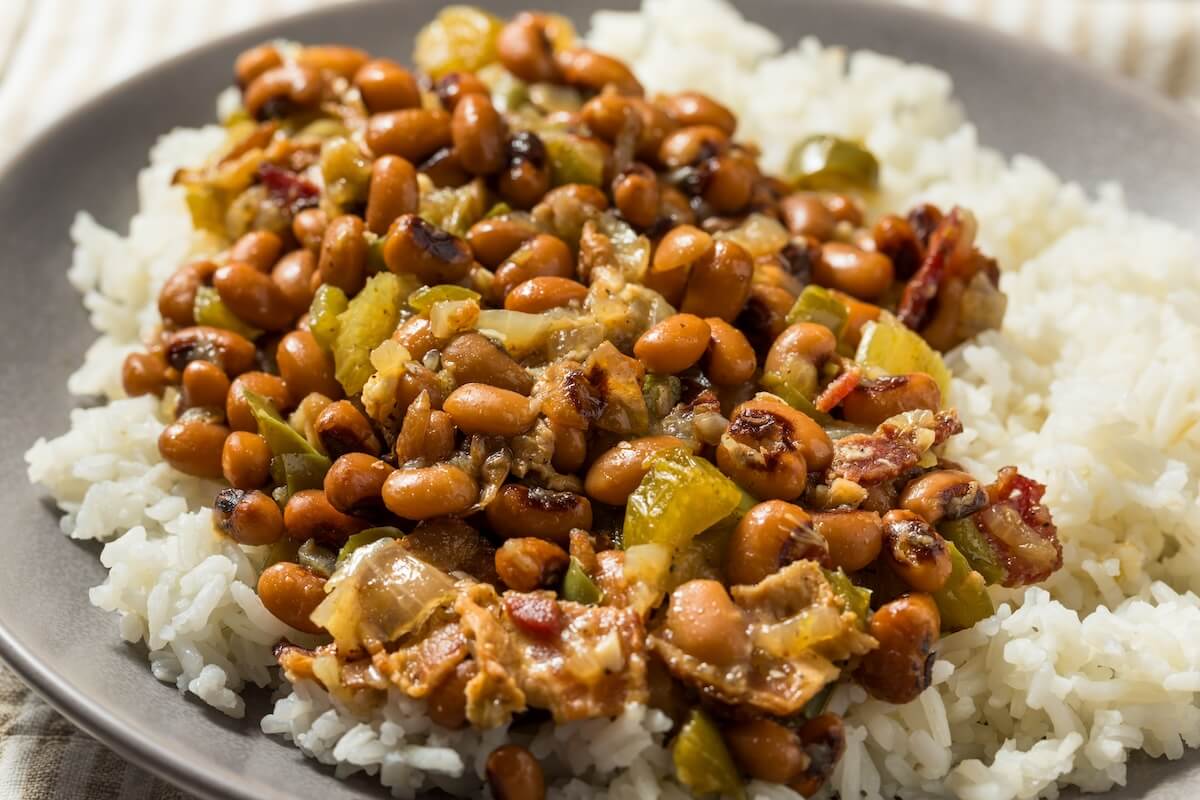
Also known as Carolina Peas and Rice, this dish from the southern U.S. consists of black-eyed peas and rice, with a little bit of bacon thrown in for good measure. It's said that eating this dish on New Year's Day brings good luck, particularly in regards to money. The recipe's peas represent coins, and any green veggies (such as collard greens) eaten alongside the dish symbolize dollar bills. Sometimes it's also paired with cornbread thanks to that food's similarity to a gold bar. The day after the new year, any leftover Hoppin John is called "Skippin' Jenny," and eating it again means you'll also have luck saving money.
(via Shutterstock)
Pork and Sauerkraut
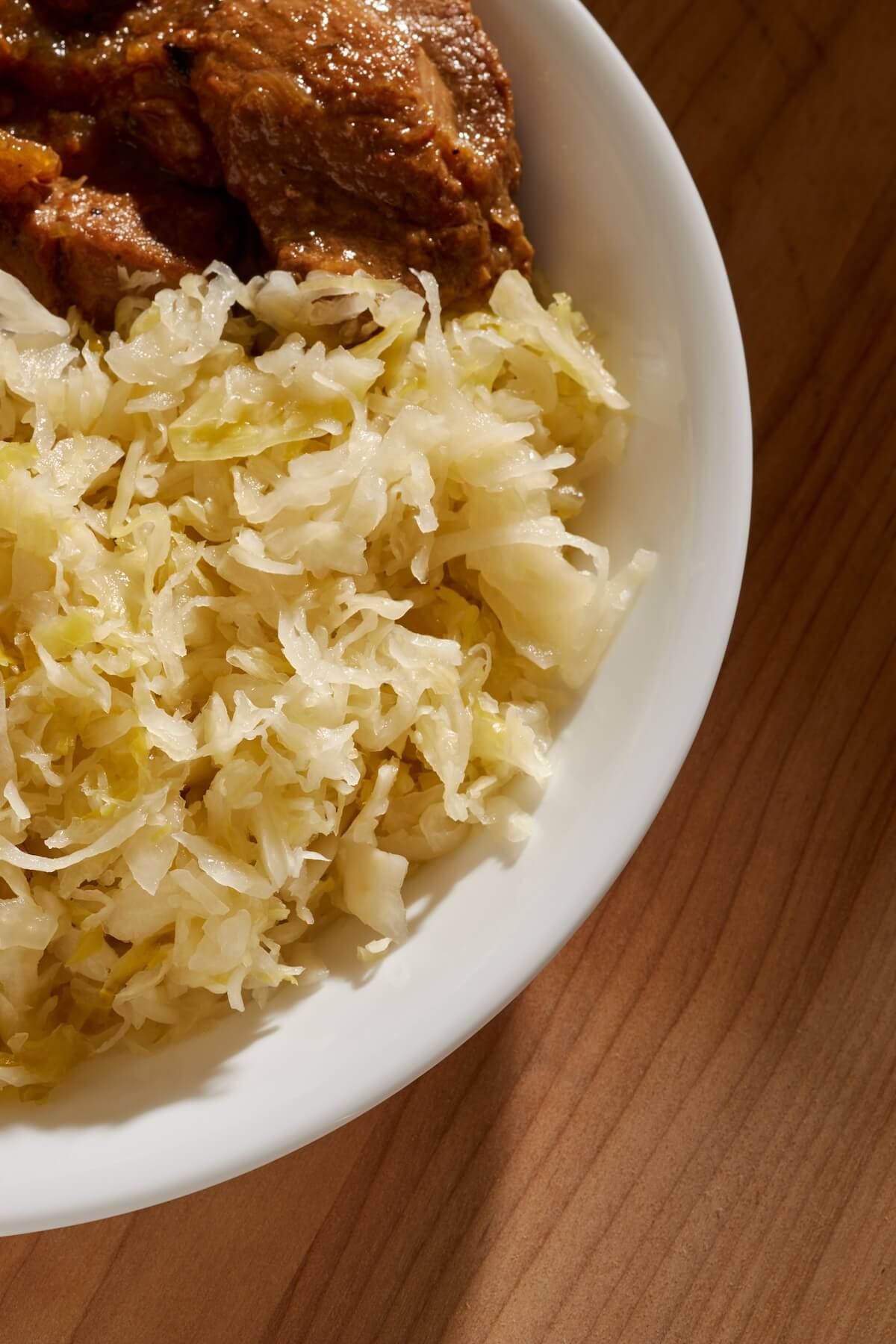
One Pennsylvania Dutch tradition specifies that it's ultra lucky to eat pork and sauerkraut together on New Year's Day. Back in the day, having a good stash of both foods would mean that you'd have something to eat all winter long, but the tradition endures to this day. By eating sour cabbage, you can have a sweet year. Pork also symbolizes happiness and forward momentum, because when pigs dig in the dirt, they push forward with their snouts. On the other hand, because chickens scratch backward, it's said to be bad luck to eat them on New Year's Day unless you want to lose all the progress you've made.
(via Shutterstock)
Also read about: 15 Hopeful Quotes for All of Your New Year's Day Instagram Captions
Pomegranates
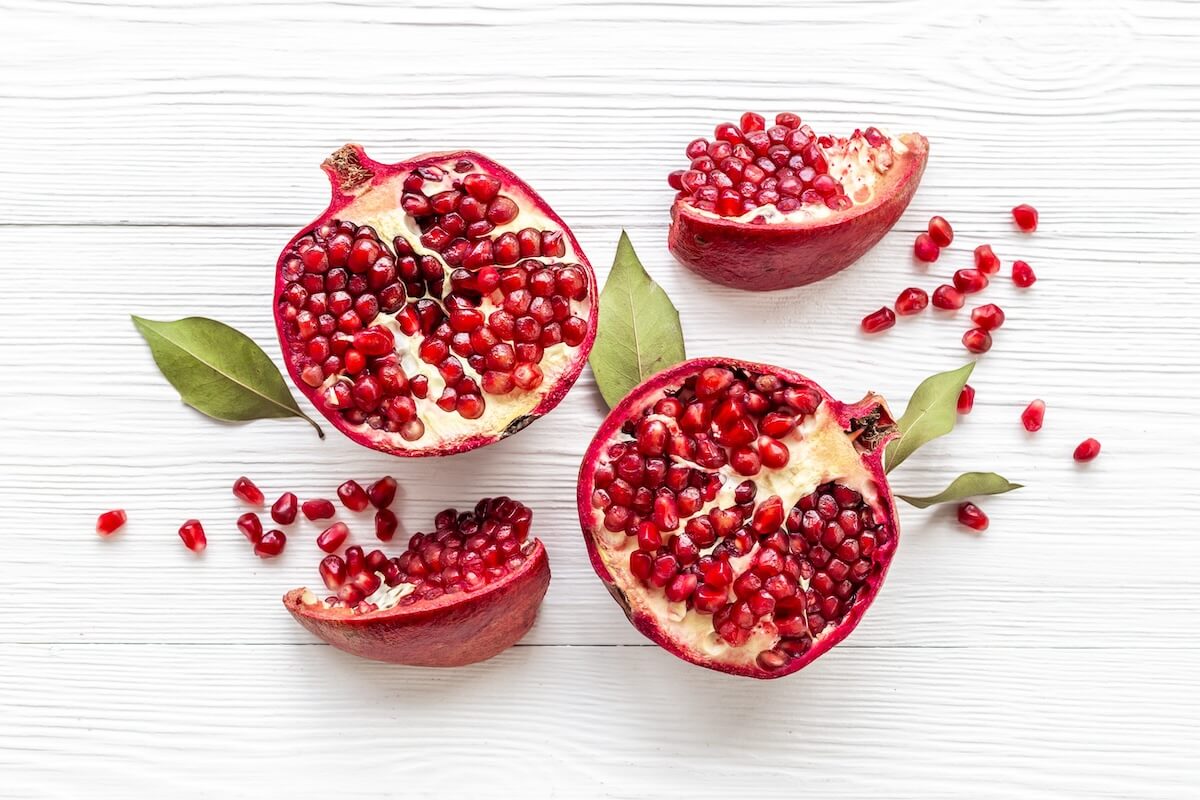
Pomegranates are commonly eaten in Turkey during the new year because the fruit is symbolic of prosperity. Their vibrant, blood-red color symbolizes life and abundance, while the round seeds have an association with wealth and luck. It also takes a little work to eat them, but that hard work pays off in the new year.
(via Shutterstock)
Long Soba Noodles
In Japan, hot soba noodles in broth are eaten on New Year's Eve, as well as New Year's Day, for good luck, The long, thin shape of noodles is said to be symbolic of the passage from one year to the next. When they're bitten into, that represents a cutting off of the regrets and burdens of the previous year. Long noodles can also signify a long, healthy life.
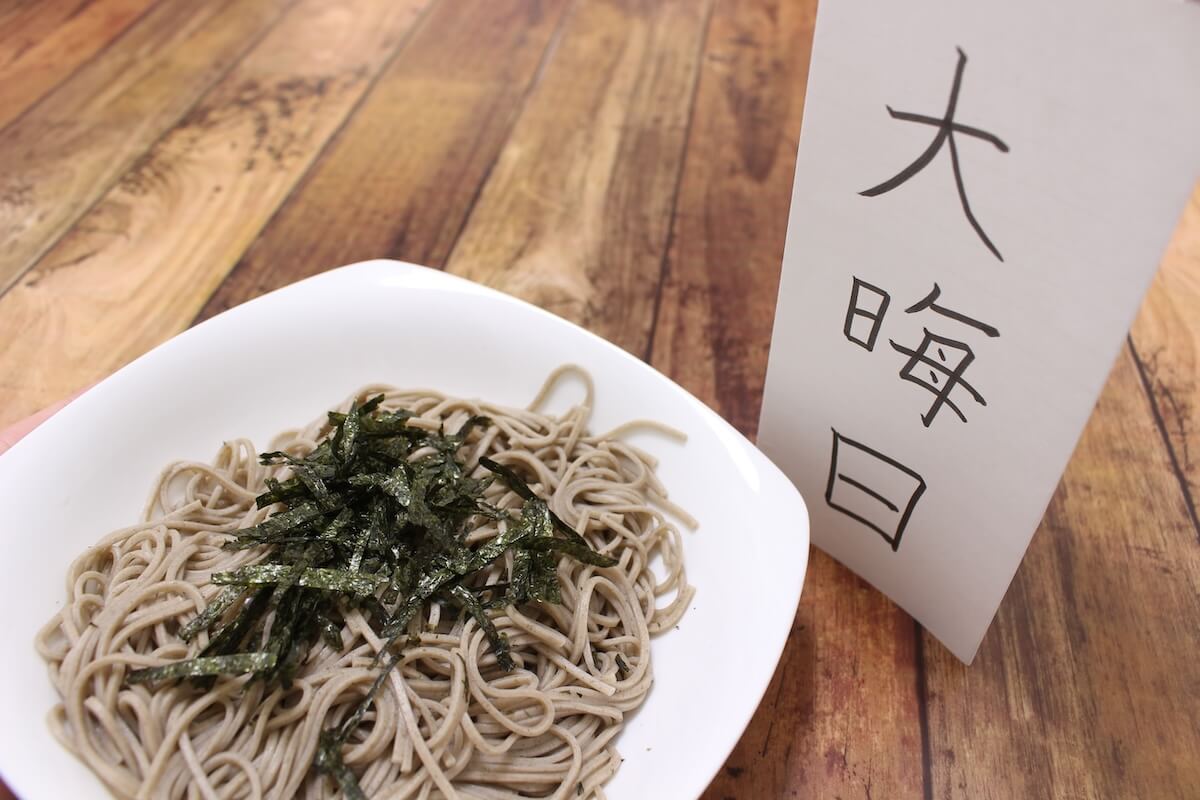
(via Shutterstock)
Round or Ringed Desserts
Various cultures eat ring-shaped or round desserts on New Year's Day, representing that fact that your luck will come full circle and follow you all year round. In Greece, many people eat a cake called vasilopita. A special coin is hidden in the loaf, and it's said to bring good luck to whoever gets the slice with it inside. But if you don't have access to that unique dessert, donuts or bundt cakes will do just fine to bring you luck in a pinch.
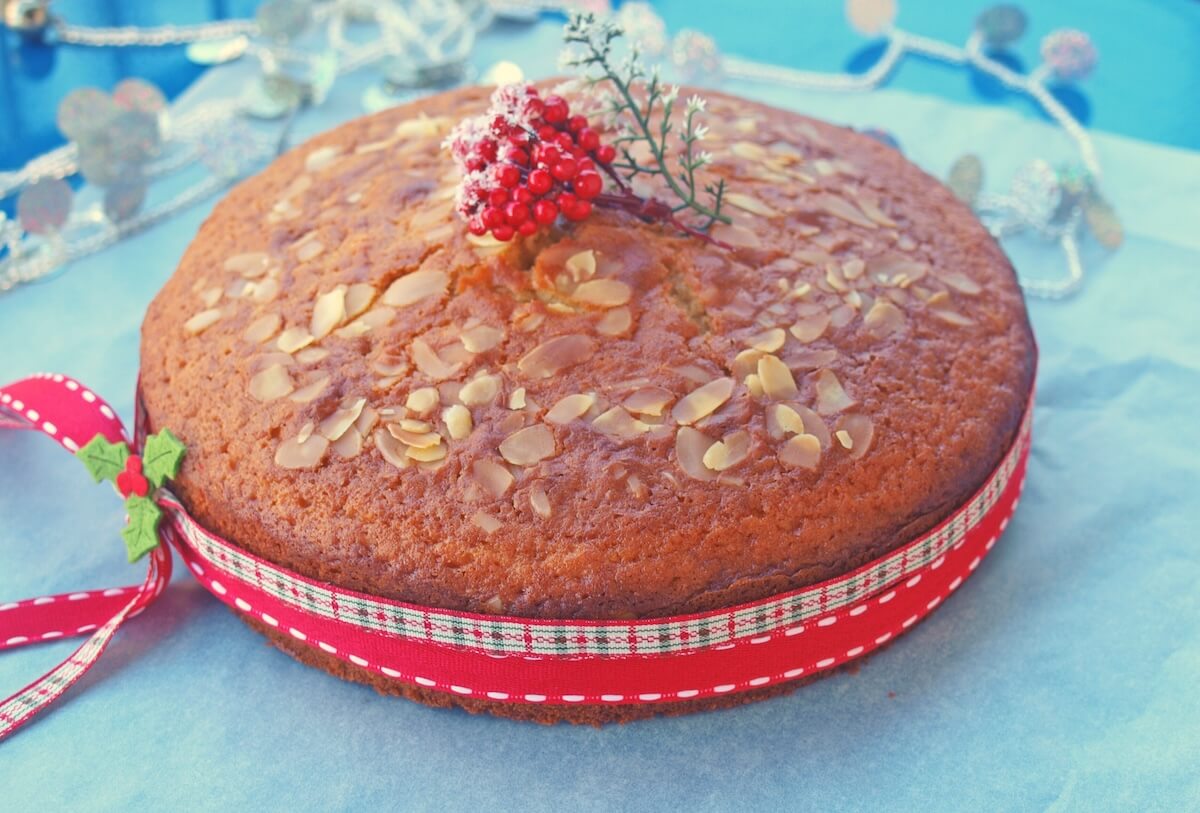
(via Shutterstock)
Looking to make 2026 a great year? Click HERE to discover seven feel-good manifestations to bring into January with you.