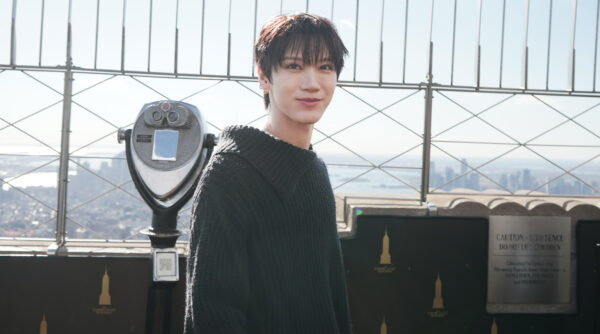
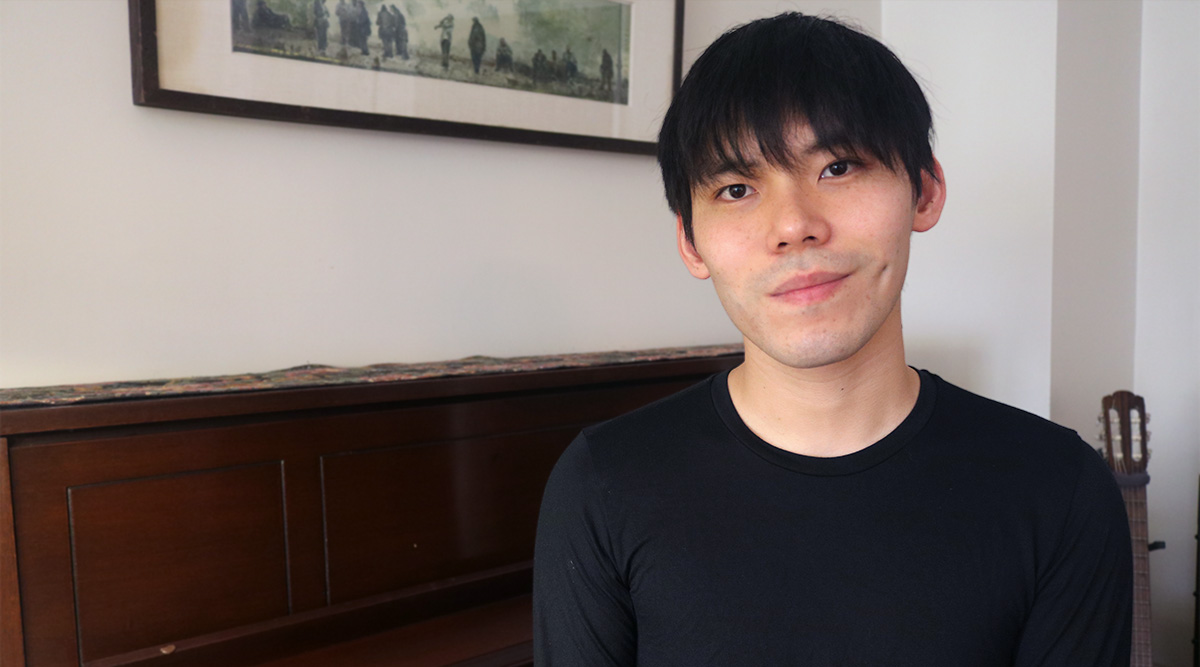
Matthew Wang is the music editor on A24’s Club Kid, Jordan Firstman’s feature directorial debut, which opened in limited release on Nov. 6.
The film premiered in Cannes’ Un Certain Regard and was picked up by A24 after a bidding war. It follows a hard-partying New York club promoter whose life is turned upside down when the 10-year-old son he never knew he had shows up. The cast includes Jordan, Cara Delevingne, Diego Calva and Kirby Howell-Baptiste, with appearances from artists including Shygirl, Saturn Risin9 and River Moon, and a score by Cristóbal Tapia de Veer.
Set in the city’s queer nightlife scene, the heartfelt dramedy leans on music as much as it does on its characters. That made Matthew’s job, which includes trimming breakdowns, stretching bars and rebuilding DJ-style edits, a big part of the film’s energy.
We had the pleasure of speaking with Matthew to learn all about what a music editor really does, working with Jordan Firstman and the scene he’s proudest of. Read our full interview with him below.
(Club Kid via A24)
Sweety High: What does the job of a music editor for a film like Club Kid entail? What’s the biggest misunderstanding people have about your job?
Matthew Wang: On paper, a music editor temps music, helps find a direction for the songs and score, spots the film and works with the composer to shape its sound. Club Kid was a different animal.
Jordan arrived with a movie that was practically already a playlist. He’s said that music is always his way into a story, and you can feel it: the songs weren’t decoration, they were written into the film’s DNA. He’s also pointed to albums like Blonde, Lemonade and The Life of Pablo as touchstones, records that feel like one continuous world rather than a pile of singles.
So my job was less “what should this scene sound like?” and more “how do we make these exact songs land exactly right?” That meant finessing edits so a track hits a story beat like it was always meant to be there: a bar trimmed here, a breakdown stretched there, a downbeat nudged onto a look. I also worked with our music supervisor to confirm track durations, which feeds directly into licensing costs. It’s part DJ, part tailor, part accountant.
The biggest misunderstanding is probably that music editing is “just cutting songs,” or that the music gets picked and dropped in. Most of the work is invisible. When a song feels like it was always part of a scene, someone built that. If I’ve done my job well, nobody notices me at all.
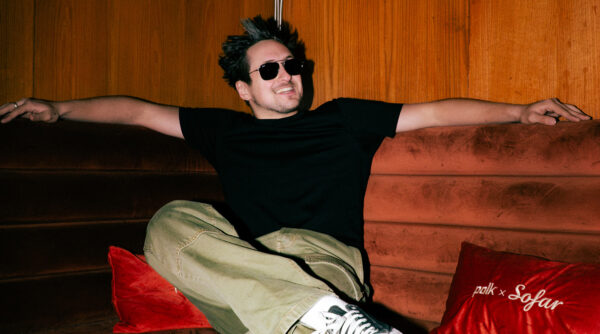
(Image courtesy of Matthew Wang)
SH: Club Kid’s sound is essential to building its world. What’s your process for deciding when a track should back a scene versus the score? Can it be tricky to find that balance?
MW: Honestly, by the time I came on, most of those decisions had already been made.
The film is unusual in that some songs play as source, coming out of speakers or a CDJ so you feel the world playing around the characters. Others quietly step in and do the work of score. The handoff between the two is so seamless in this film that you often can’t tell where one ends and the other begins. That’s a credit to how Jordan built it. Because he starts from the music, the songs were part of the story from the beginning rather than sorted out in post. The real work on my end was keeping those transitions invisible.
SH: How do you cut music, especially in a noisy club scene, so it feels authentic without losing a joke or an emotional beat?
MW: The interesting thing is that many sequences started as pre-made DJ mixes by David Peck, who’s also in the film, and they already felt authentic. The tricky part is that in film I can only use licensor-approved WAV files from the labels, so I had to rebuild a lot of those DJ-style edits from the approved files to keep everyone, especially the licensors, happy.
Also read about: Jordan Firstman’s Club Kid Opens in Select Theaters Today
SH: How did working with music by artists, such as Shygirl, Saturn Risin9 and River Moon, who are also part of the queer nightlife scene, shape the way you approached those scenes?
MW: I hope this isn’t a spoiler, but when I first saw Shygirl was in the film, I was gagged. She, Saturn Risin9 and River Moon were all named in the trailer coverage, so it’s out there.
Jordan had a real commitment to authenticity in the artists he chose. The film was shot on-site at real New York venues and parties, with actors drawn from the scene it depicts, and the music carries that same spirit. It never feels like an outsider’s idea of nightlife.
SH: What was it like collaborating with first-time director Jordan Firstman? How did his taste and vision guide the film’s sound?
MW: Jordan is a genius. I’m constantly surprised when I work with showrunners or directors who’ve been in the business a long time and doubt themselves: maybe this scene plays sad, maybe it plays happy, let’s audition three versions. Jordan knew exactly what he wanted and what he wanted the audience to feel at any given moment, which is kind of amazing.
His taste is wild in the best way. Arthur Russell and Elliott Smith sit alongside Slayyyter and Kelela in this film, and it all makes sense together. And his commitment was real. I never thought we’d get the Rihanna song at the top of the film, but Jordan weaponized Instagram and made it happen. His dedication to his own movie was truly inspiring.
(Club Kid via A24)
SH: What was it like working with Cristóbal Tapia de Veer’s score? How did his work fit alongside the film’s club music?
MW: I’m a huge fan of Cristo’s work, and this was honestly the easiest score I’ve gotten to work with. It’s so minimal, but every little detail has life and character. His signature is otherworldly vocals and unconventional instruments, including a heavily modified broken guitar, and that’s exactly what you hear in the guitars and vocal bits here. When you’re working with an artist of his level, it’s a gift.
My hot take as a music editor is that composers who work in Ableton Live are the coolest ones. Look at Cristo, Ludwig Göransson, Nicholas Britell, Thomas Newman.
SH: How does the music change as the story moves from nightlife chaos to more tender moments as the main character finds himself in the new role as a father?
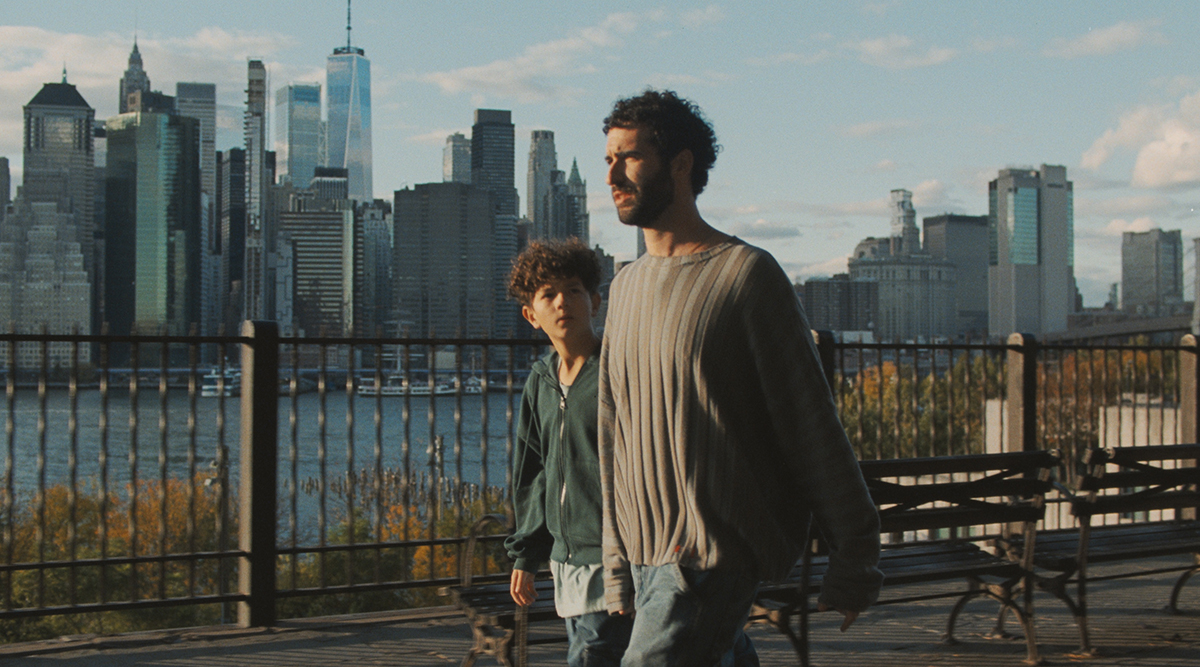
MW: I don’t want to spoil anything, but there are several score cues in the last third that carry sadness, hope and happiness in a way that mirrors Peter’s arc. The film opens with a party, and as it goes on we hear less club music and more songs that live in tender moments with Arlo. Music never leaves, though. It’s in a record store, in the background of a bar or restaurant, and eventually it becomes how Peter and Arlo find each other.
That’s where Jordan’s song choices and Howard Paar’s work as music supervisor really guide the audience. Howard started out as a club DJ and promoter in Los Angeles, so he understands both sides of this film, the party and the quiet after it.
SH: Is there a scene or musical moment you’re especially proud of, or one that was a challenge to get right? Is there a track you hope audiences listen for when they see the film?
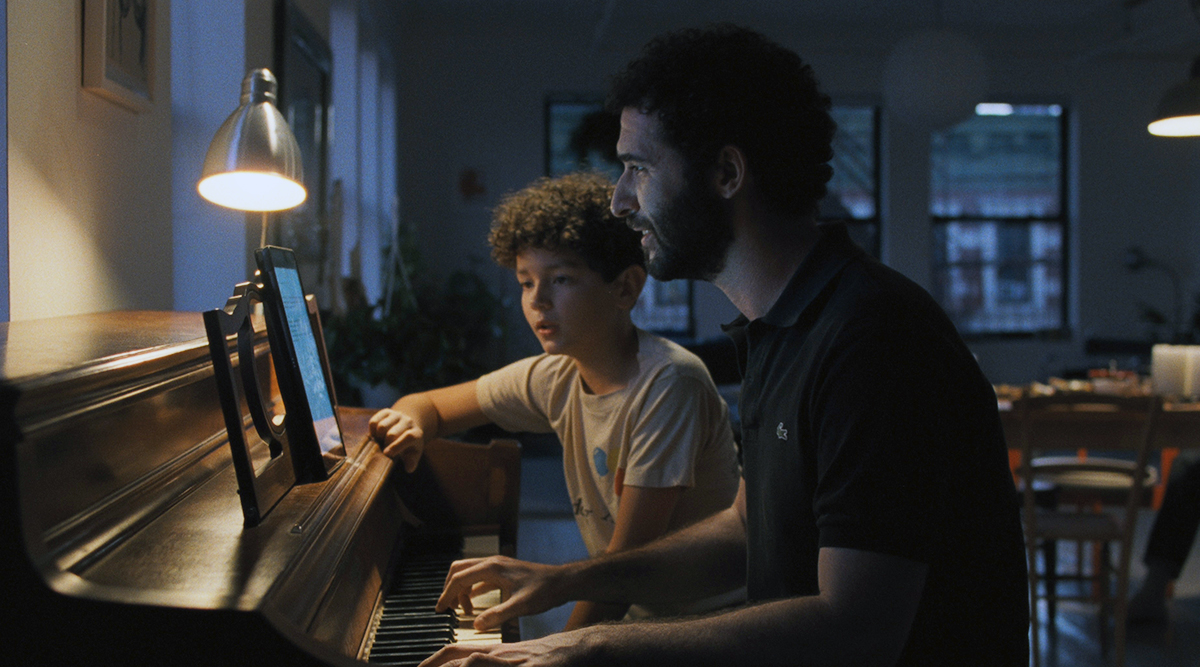
MW: Ethel Cain’s “Thoroughfare” was my favorite moment, and I love that song. What I love about the scene is how it starts with Peter and Arlo singing it live at the piano, a tender, real moment, and then seamlessly cuts to the actual Ethel Cain recording. Weaving those two together was a joy.
I worked on a film with a dear director friend, Razieme Iborra, called How the West Was One that used the same song, so it was a lot of fun to use it again here. The album version runs over nine minutes, which made the next part even more fun.
When we requested files, her team sent about 100 multitracks, not the usual smaller stem groupings of guitar, drums, bass and piano. The exports weren’t all the same length, so I had to manually align each one to the stereo mix to make sure it played down correctly. Then I bounced smaller stem groups so our amazing re-recording mixer, Andy Hay, could mix it. It was an unexpected challenge, but they come up, and my background in pop music helped a ton.
Also read about: 48 Moving Ethel Cain Lyrics to Use as Instagram Captions
SH: Is there anything else we should know about you and your work?
MW: I’m truly lucky to have played a small part in a film I genuinely love. I want to shout out the people who bring you up along the way, and in this case that’s my friend Brad Oberhofer, who introduced me to Jordan in the first place. Brad also has music in the film.
I love the challenge of music-heavy films, where you get to make bolder creative choices, and this one pushed me in ways I hope are paying off. Jordan and Howard curated an incredible soundtrack, and Cristóbal’s score is stunning. A24 Music also put out a companion EP featuring Shygirl, Moby, Christine and the Queens and others, so if you haven’t seen the film already, go check it out, and then keep the party going.
For more on the film, catch up on everything we shared about Club Kid as it hit select theaters.