Here Are the Symbolic Meanings Behind the Most Popular and Beautiful Metals Used in Jewelry
The use of precious metals in jewelry dates back all the way to ancient times, and there's a good reason it hasn't fallen out of fashion.
Metals including gold, silver, platinum and more are coveted for their shining beauty and rarity, and beyond aesthetics, accessories made with them symbolize wealth, power, love and so much more. If you're a jewelry lover yourself, you might be curious about what each of these precious metals symbolizes. You can learn all about the most popular varieties below.
Gold
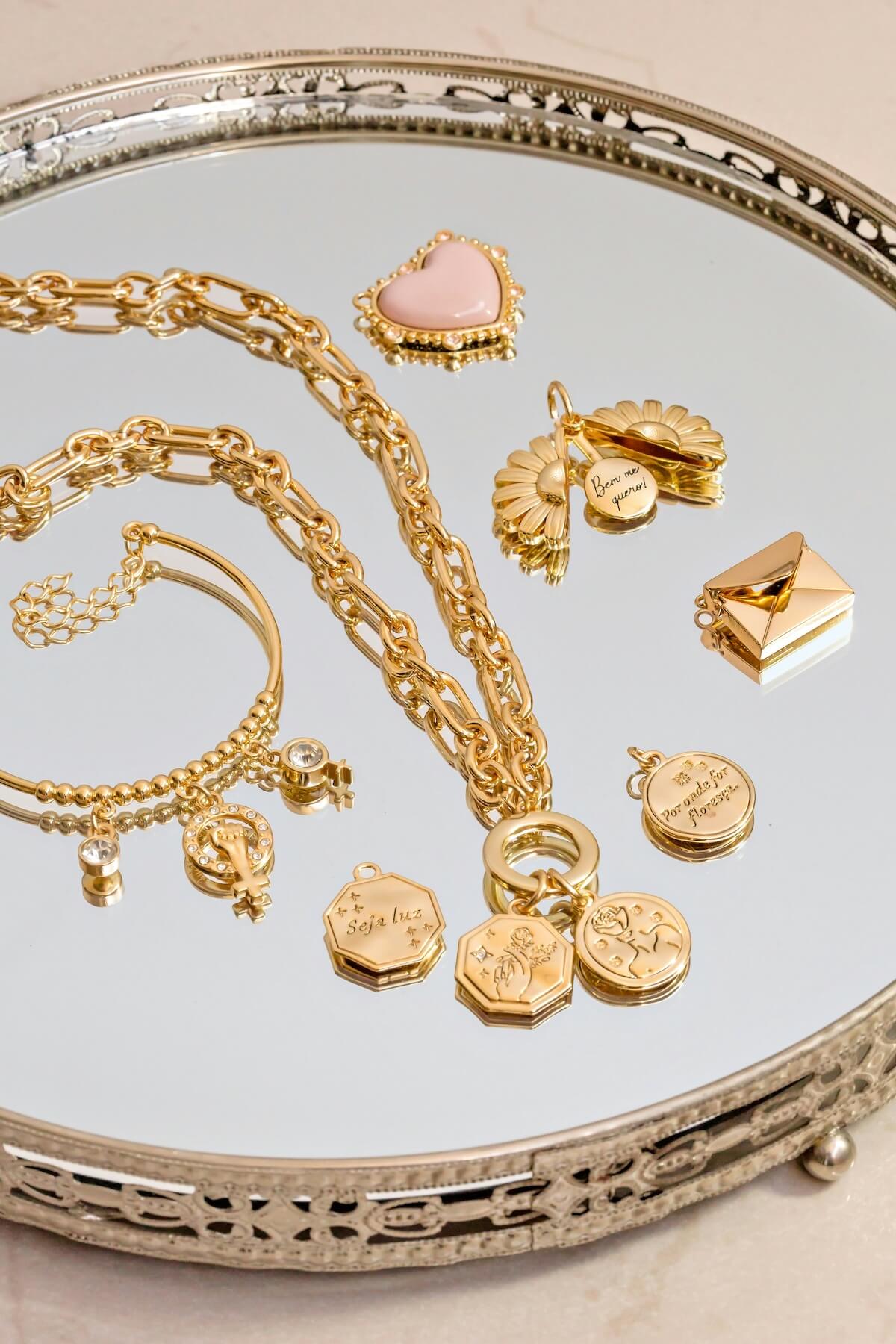
When you think of precious metals, chances are that the first one that comes to mind is gold. Gold in its purest form is known for its rich, shining yellow hue, and whether you're wearing a pure gold piece, or a plated or filled piece, it's one of the metals most associated with riches and abundance. Historically, gold pieces have been passed down between generations, suggesting a strong lineage. In relationships, it symbolizes a lasting commitment. The color of gold is also reminiscent of the sun, signifying warmth, happiness and wellness.
(via Unsplash)
White Gold
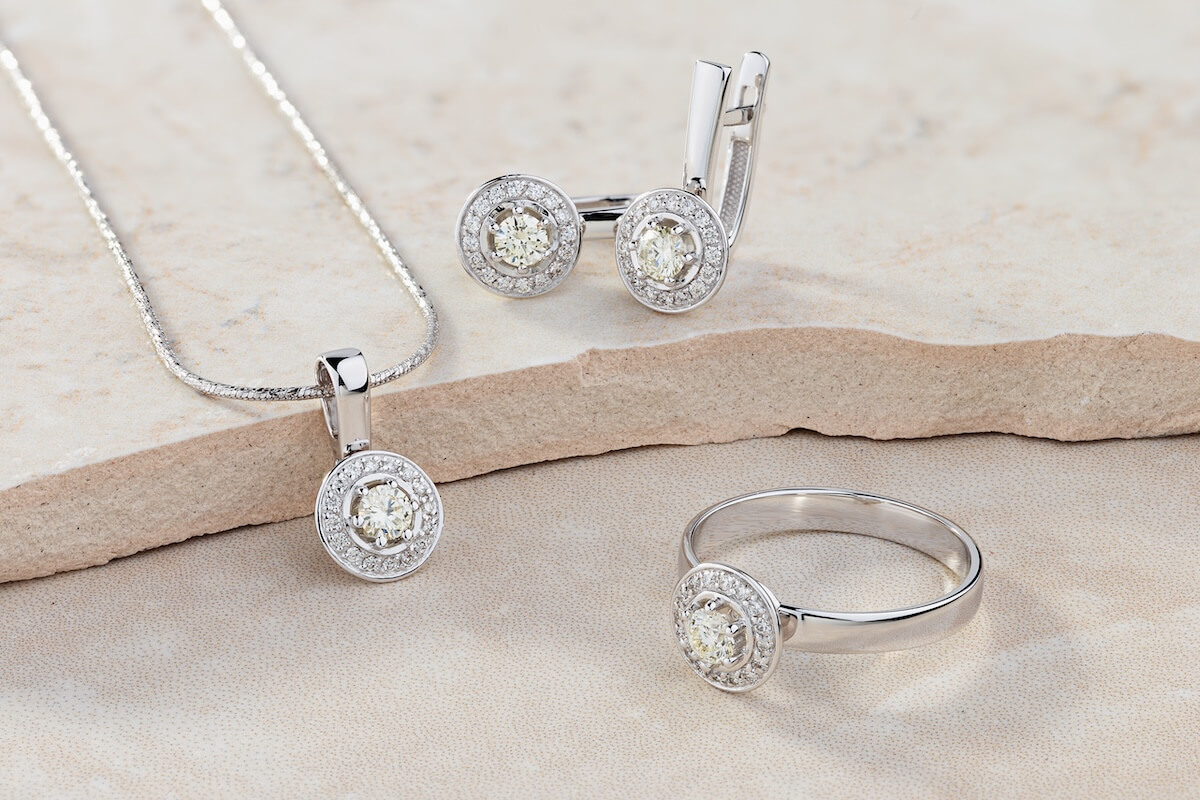
White gold is an alloy that mixes gold with other metals to create a silvery white color. It's typically stronger than pure gold, boasting a white hue that's associated with purity. It's elegant and flashy, while also symbolizing pure and undying love.
(via Shutterstock)
Rose Gold
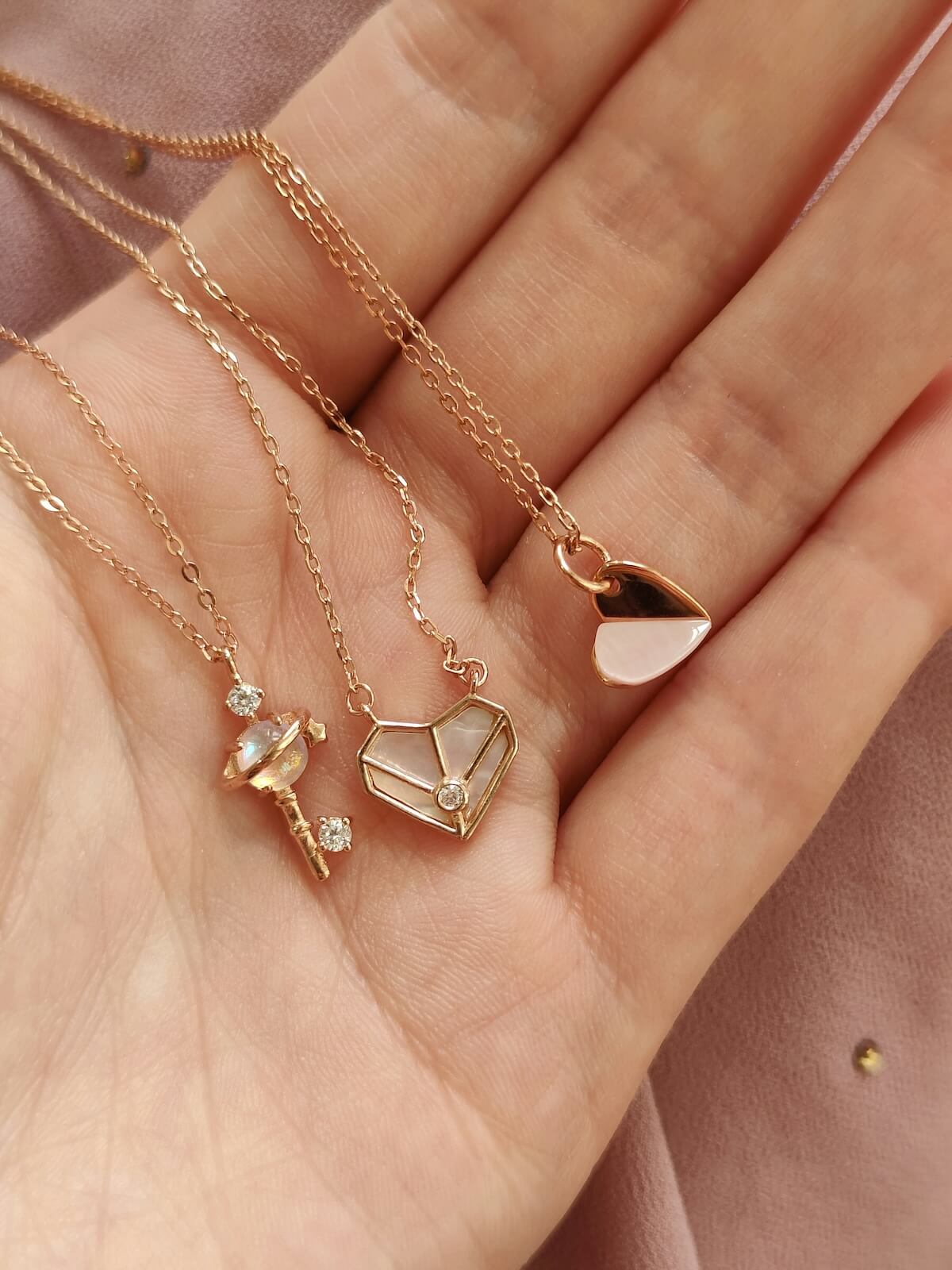
Like white gold, rose gold is another striking gold alloy, incorporating copper to create a romantic pinkish tone. This rosy color is associated with love and romance, as well as caring and generosity. While all metals are unisex, we do see this metal incorporated more frequently into pieces for women, and it does carry a sense of sensitive femininity.
(via Unsplash)
Also read about: The Hidden Meanings Behind 35 of the Most Common Dreams
Silver
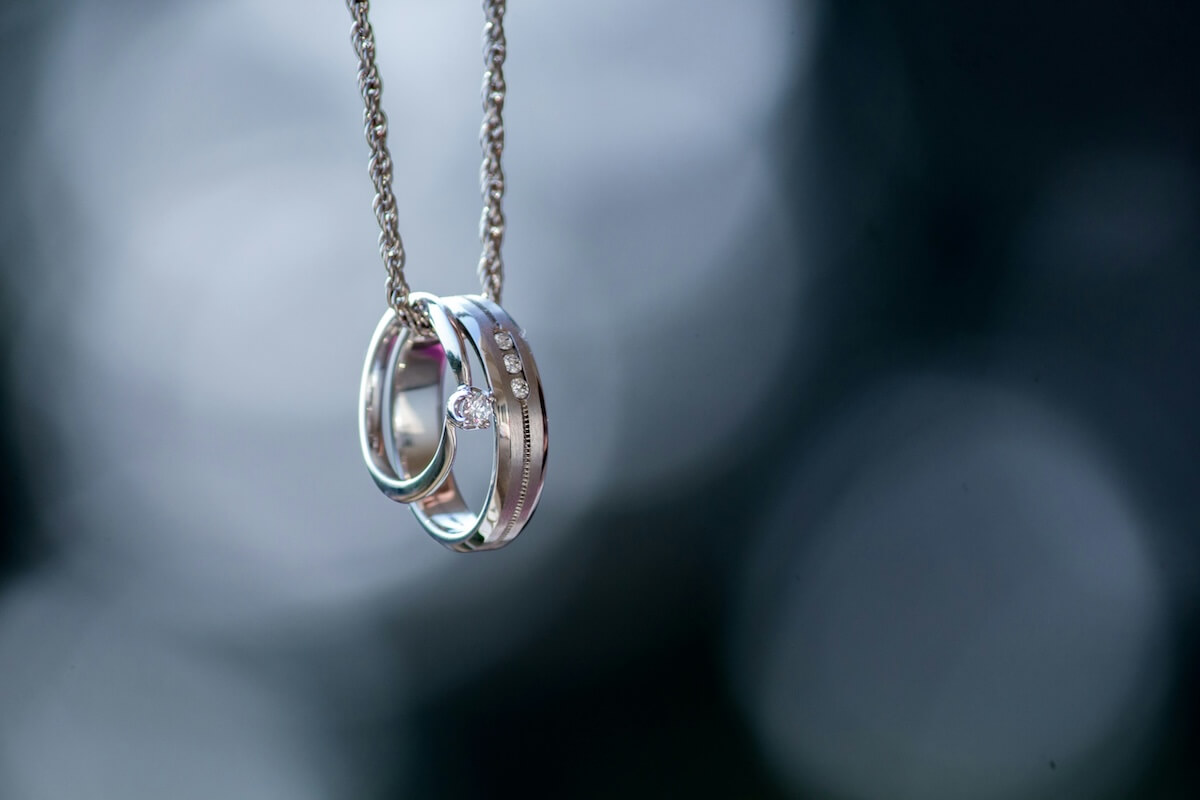
If you're not a big lover of gold jewelry, chances are that you prefer silver instead. Its shine elevates its light grey color, making it neutral yet dazzling, and easy to match with the rest of any ensemble. Silver itself has many symbolic associations, from purity and youth to wealth and stability, strength and resilience. Many people also relate to hue of silver to magic and the moon, suggesting good luck, protection and cyclically reaping the rewards of your hard work.
(via Unsplash)
Platinum
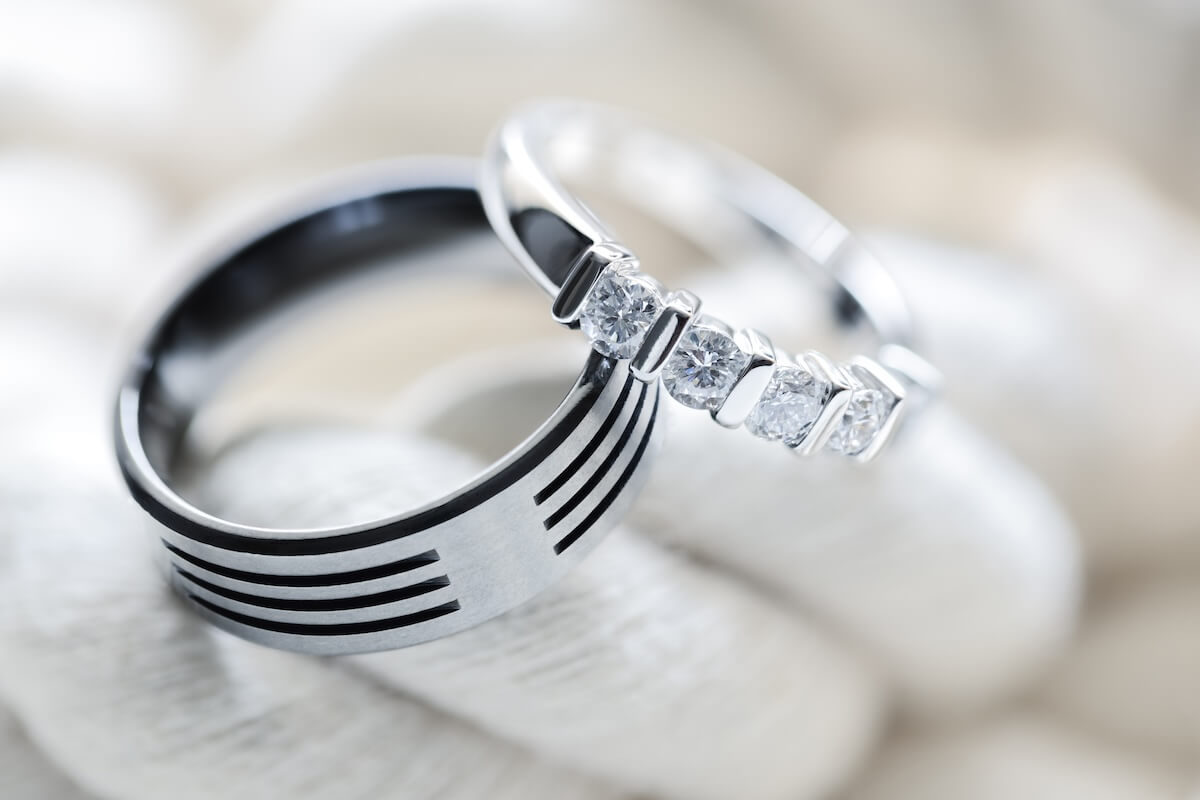
Platinum may look a bit like silver at first glance, but platinum is much rarer and boasts a whiter, more vibrant hue than its counterpart. The platinum we have on earth actually comes from meteors, giving it a spacey, otherworldly connotation, perhaps suggesting that the wearer is out of this world. It's also associated with luxury and success, such as with Platinum-certified records that have sold a million units or more.
(via Shutterstock)
Palladium
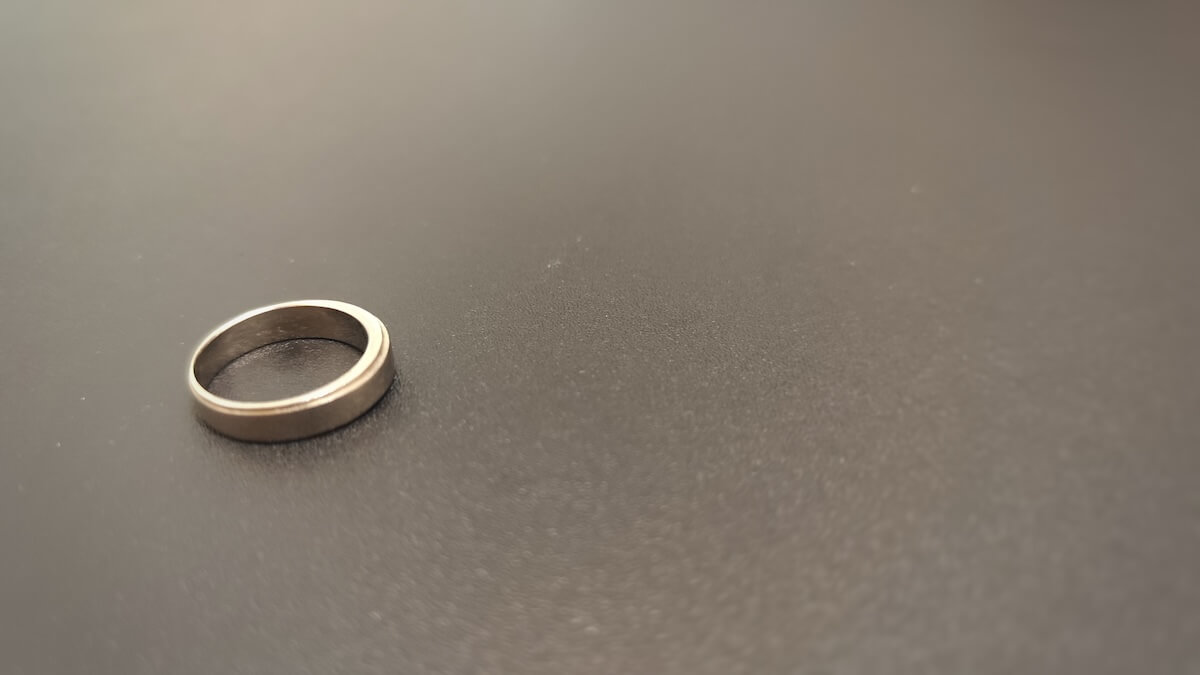
Palladium is one of the lesser-known metals on this list, but its no less precious. It's in the same elemental group as platinum, also featuring a brilliant silver-white color, though it's even rarer. Its name can be traced back to the palladium, a statue of the Greek goddess Athena that was said to have fallen from the sky in mythology. The statue was believed to provide protection and ward of bad luck, and the metal has similar associations.
(via Shutterstock)
Rhodium
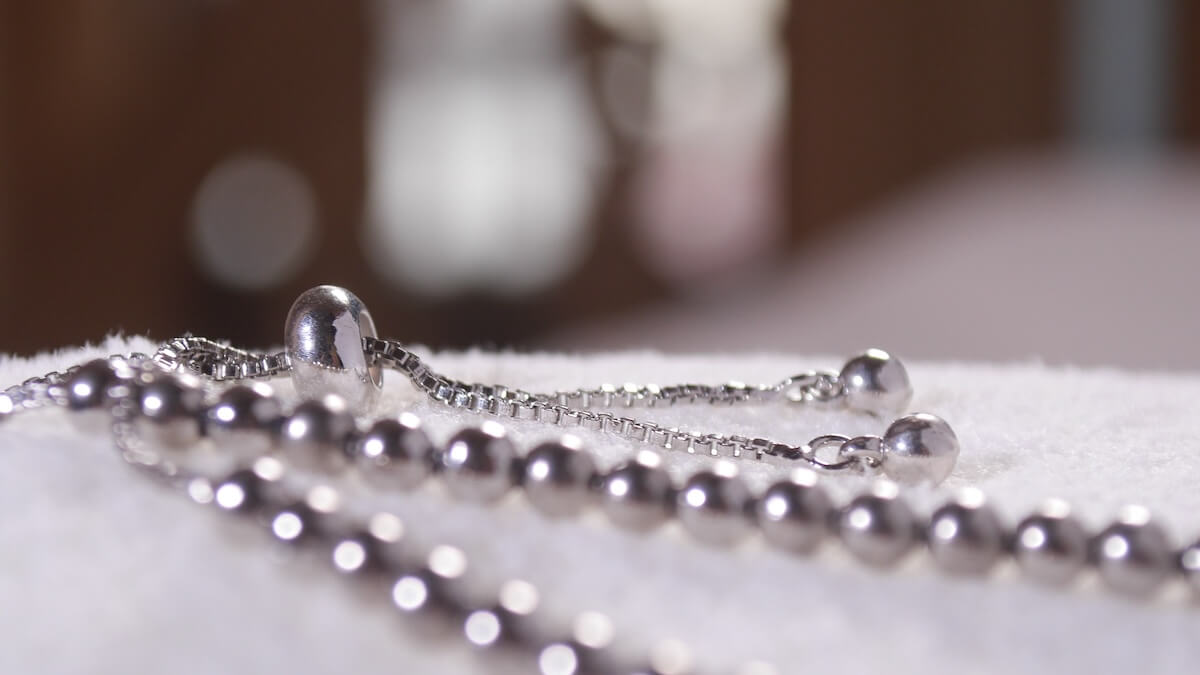
Rhodium is another metal closely related to platinum, though it's even rarer, with a bold reflective and silvery appearance. The metal itself is very hard and brittle, so rather than jewelry being made of pure rhodium, it's plated with rhodium to make it extra hard and scratch resistant. Likewise, rhodium jewelry symbolizes durability, dependability and long-lasting connections.
(via Shutterstock)
Also read about: A Definitive Ranking of the Most Popular Shades of Green
Brass
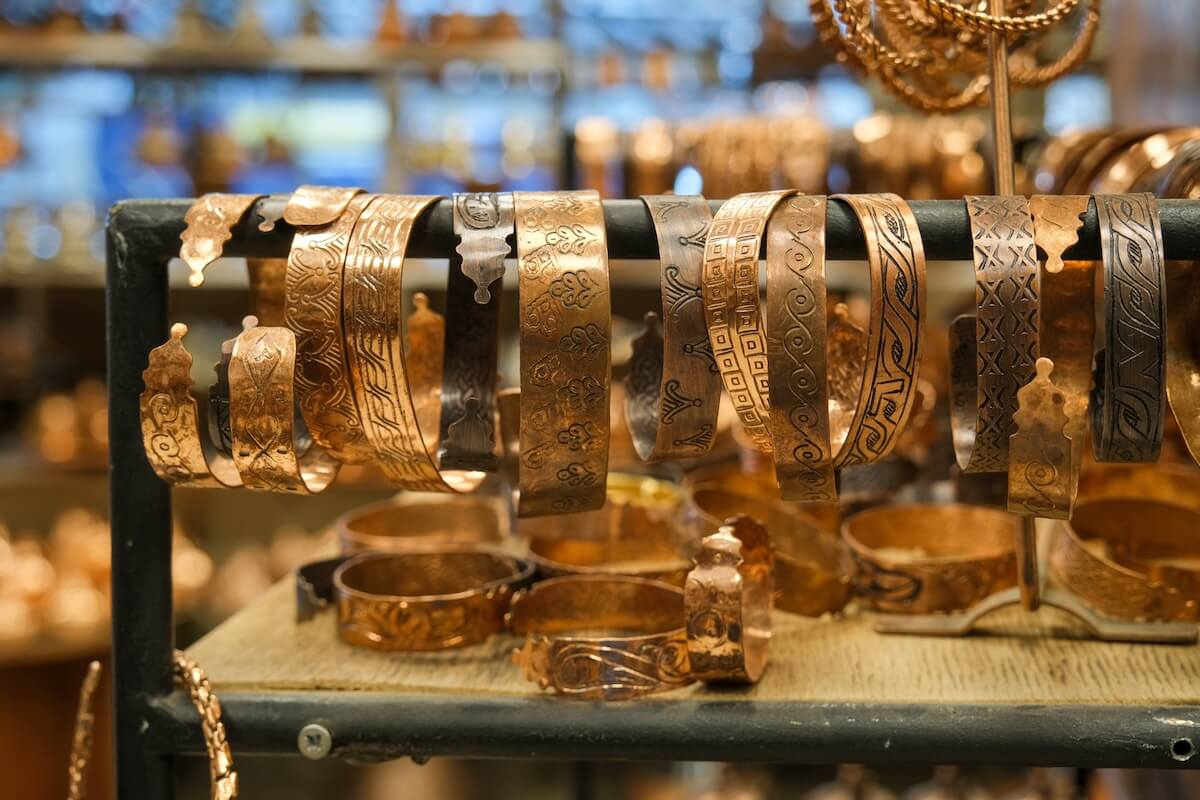
Brass jewelry also traces back to ancient times, combining copper and zinc to create pieces that are strong and lustrously beautiful with a brown-gold sheen. Perhaps because of its vibrant color, it's known for its associations with the sun, symbolizing balance, cleansing and life, and has historically been used in everything from energy healing to meditation practices. As beautiful as it is, however, it also tends to tarnish easily, especially when wet. It can leave green marks on the skin, which is sometimes associated with "cheap" jewelry.
(via Shutterstock)
Titanium
Even if you're not a big jewelry person, you've probably heard of titanium because of its immense strength. This lightweight but mighty metal gets its name from the Titans from Greek mythology, and is also a silvery white metal. Though the metal itself is not as rare as some of the others on this list, you might not often see titanium jewelry because it's tough to work with. The pieces that do exist, however, are seen as good luck charms and symbols of power. They remind the wearer of their inner strength and resilience, and never to back down from the challenges that matter.
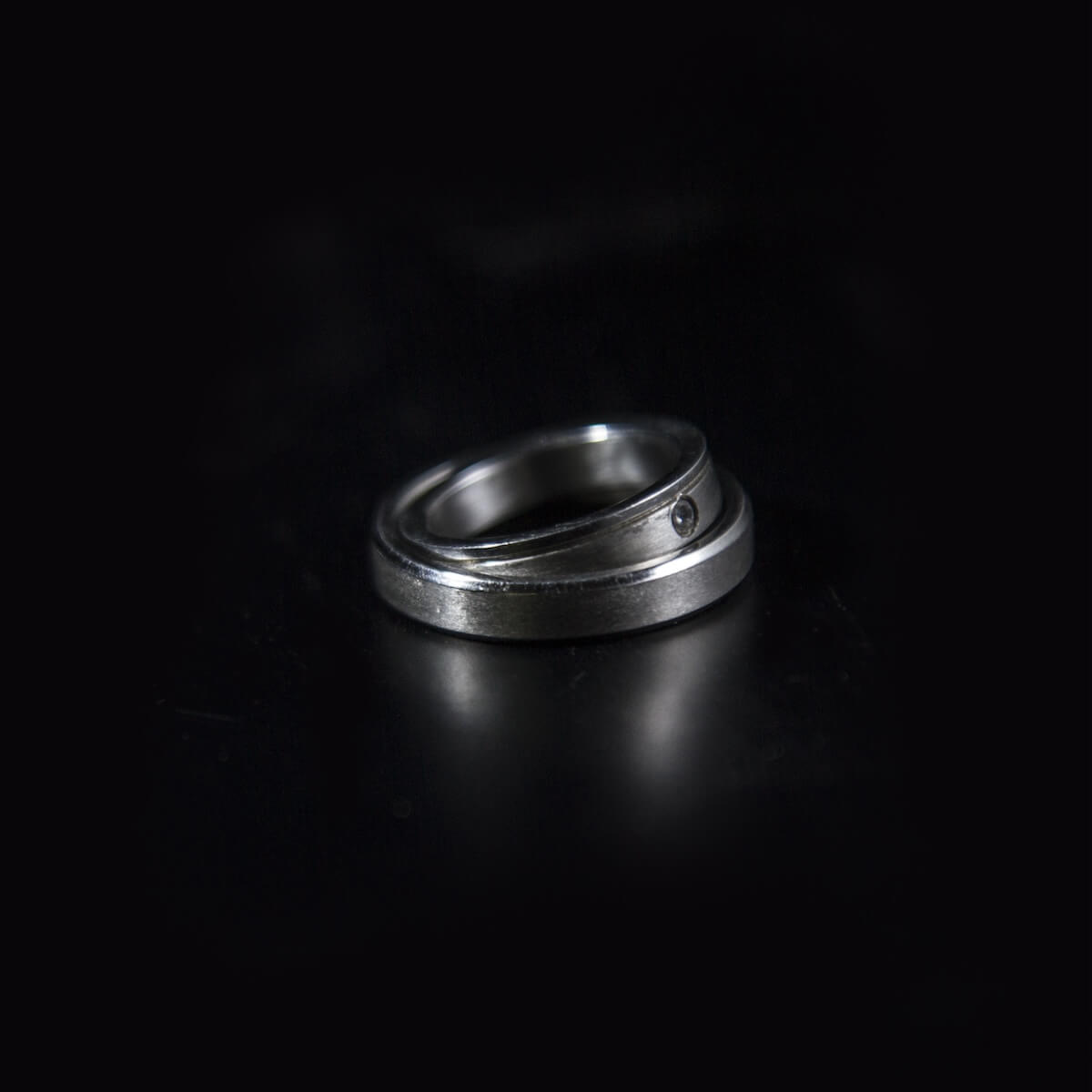
(via Shutterstock)
Tungsten
Tungsten is probably the most unusual metal on this list. The name comes from the Swedish words for "heavy stone," and it was once thought to play an important role in alchemical transformation. Its silver-grey color is deeper and darker than most other jewelry metals, and because tungsten itself is quite brittle, an alloy form is used in jewelry. It's strong and weighty, representing the strength of the human spirit as well as grounded reliability.
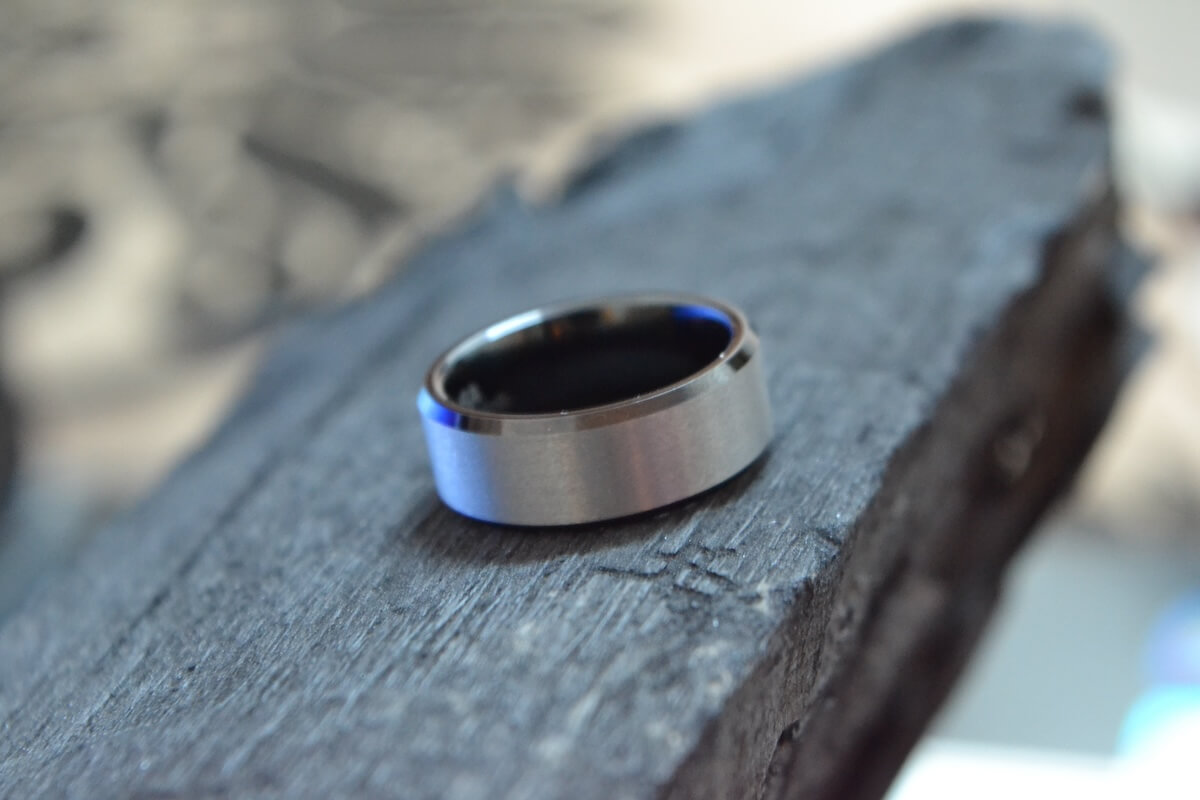
(via Shutterstock)
Curious about astrology? Click HERE to discover the biggest myths about each zodiac sign.