Nicotine Dolls are back with their self-titled sophomore album, Nicotine Dolls, out today, Oct. 23.
Recorded in Nashville, the 12-song set pairs blown-out guitars and heavy-hitting rhythms with fearless songwriting, representing a brand new era for the band in more ways than one.
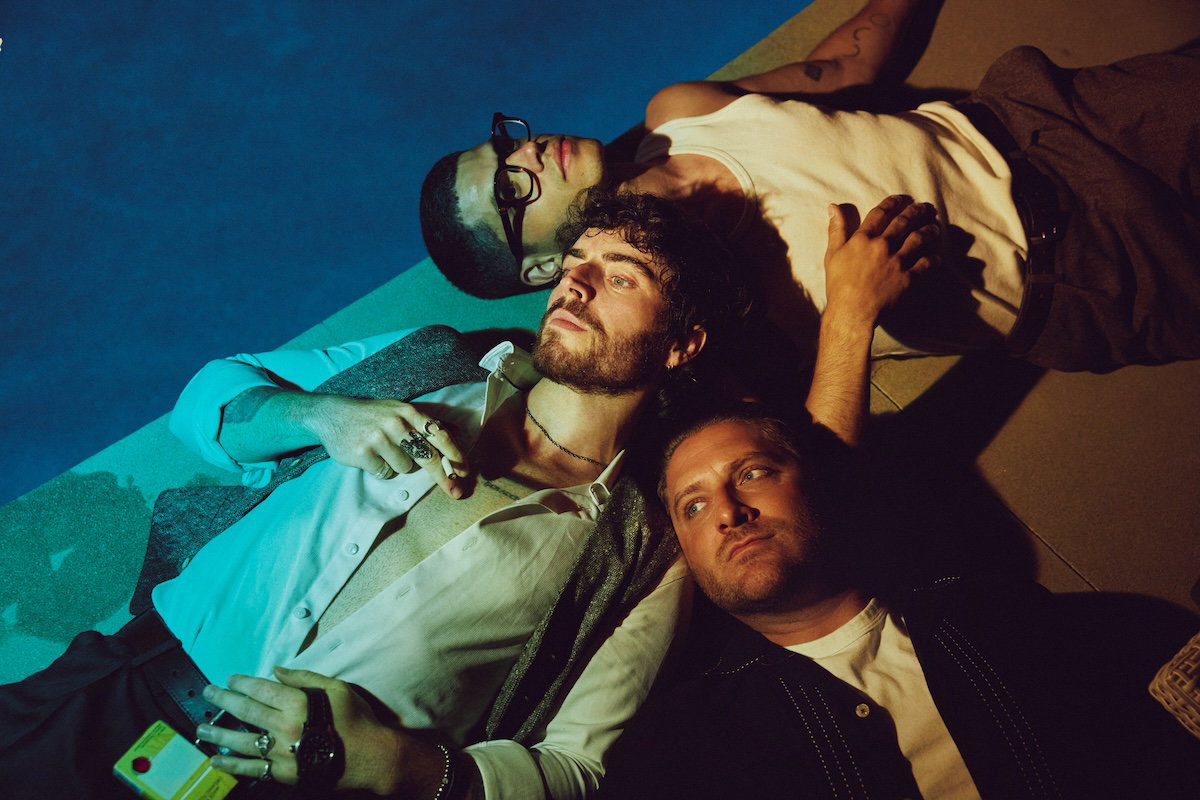
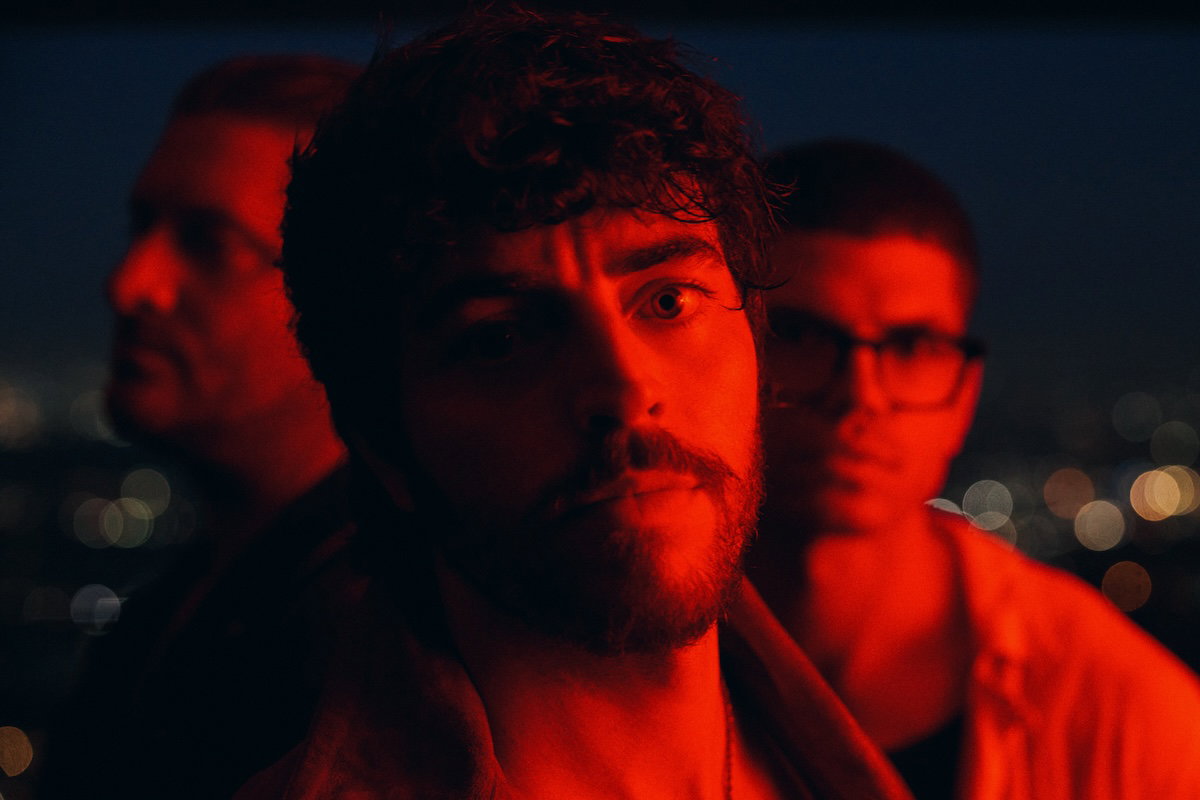
The NYC-bred rock band’s chemistry runs through frontman Sam Cieri, guitarist John Newsome and drummer Abel Tabares. Sam also co-produced the album alongside Marti Frederiksen, whose credits include Aerosmith and Ozzy Osbourne.
Getting here meant blowing up the old blueprint. Soon after signing with BMG, the band reconfigured its lineup and shelved a completed follow-up to its debut, An Attempt at Romantic, starting over from scratch with a whole new mindset.
Ahead of the album’s release, Sweety High caught up with Sam to talk about the risk of starting over, why the album is self-titled and what rock and roll means today. Read our full interview with him below.
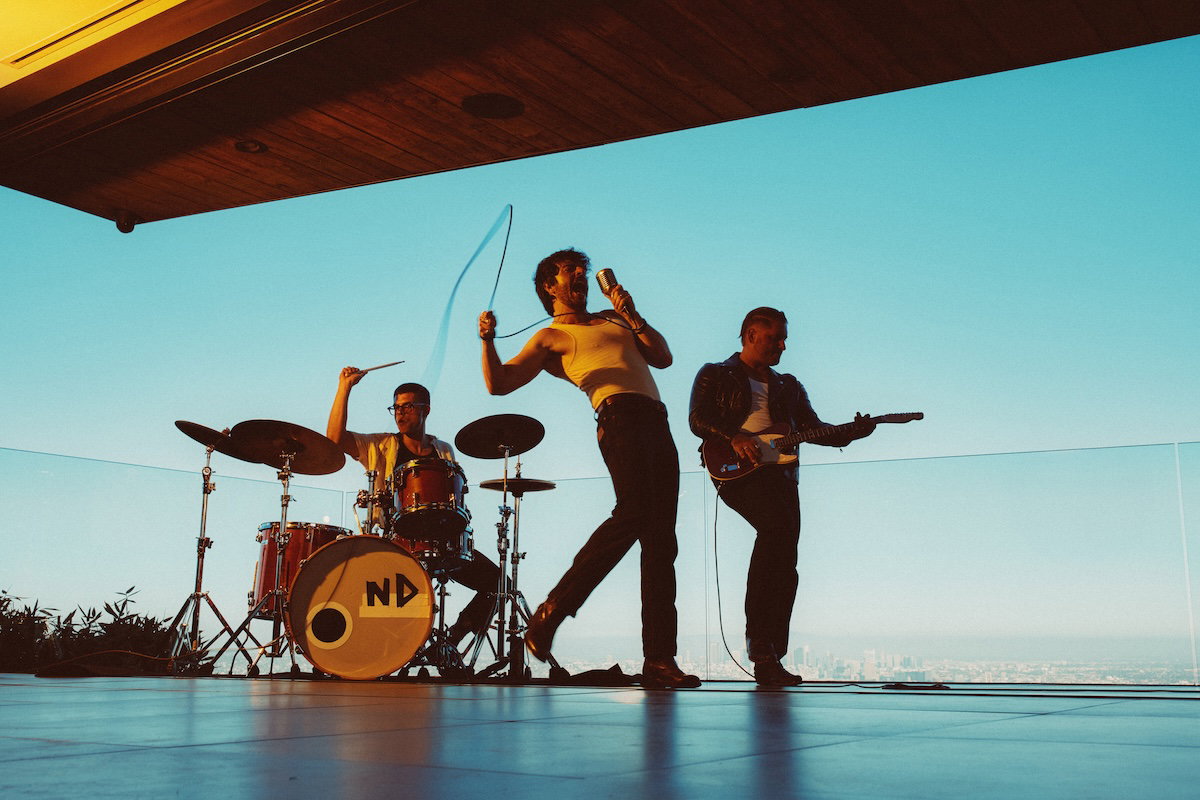
(Photo credit: Travis Shinn)
Sweety High: A lot is being shaken up with this album. The band has a new lineup, and you scrapped a completed project. Has that been a scary process?
Sam Cieri: It’s the scariest thing in the world. It’s terrifying to feel in your gut that you have to do something, do it and know that it’s going to go against what everybody thinks you’re going to do. It’s going to go against what the label brought you on for.
When we signed to BMG, that was a huge moment for us. But we were in the midst of making our sophomore record, and about a month into working with them, I called them and said, “Hey, so we need to throw it all out, and we’re going to start over.”
We had 12 songs. There was a record there, but I just knew it wasn’t right. Me and Abel [Tabares], our drummer, we knew the lineup wasn’t right anymore.
We’d reached a boiling point where it didn’t even feel like we were in a band. It felt like pieces bumping into each other. So we decided to risk a lot, make a record with the people we wanted to make a record with and reevaluate the band, what we wanted to say and how we wanted to say it. It’s really scary.
Nicotine Dolls started in early 2018, so it’s almost nine years of being a band, and we haven’t put that much music out. For a lot of that time we didn’t agree. We couldn’t get on the same page.
There were personal things and a lot of rubs that stopped us from focusing on the music. We weren’t trusting ourselves. We were making music we thought other people would really like, or wondering if we were this band or that band, because we couldn’t agree.
I think people are going to hear this record, go listen to our old stuff and say, “Oh, they did a cover of ‘Simply the Best,'” or notice that the older stuff just sounds so different. I’m really interested to see what happens when they do, because it will feel like two different bands. For us, it does feel like that.
The reason we self-titled the record is that this is a fresh start for us, a kind of planting our flag in the ground. We made a record that we love, and we’re not caring so much about what anyone else thinks about it, whether that’s fans or a label or whatever. We just made the record that we wanted to make.
(Photo credit: Travis Shinn)
SH: My next question was going to be about why now was the right choice for your self-titled album. Why was that the best way to sum up the project?
SC: Half the band is completely new. We let go of our guitar player and our bass player, and when we brought in Alex St. Kitts on bass, John Newsome on guitar and Alex DeBoer on keys to make this record, we felt something in the room. We thought, “Oh, this is it.”
Nicotine Dolls has existed for almost nine years, but this was the first time that meant it was a band. We wanted the title to reflect that. This feels like the first Nicotine Dolls band record.
Also read about: Everything You Wanted to Know About Nicotine Dolls Frontman Sam Cieri
SH: You mentioned signing to BMG. What has it meant to you to be part of that? And for them to accept, a month into your signing, that the album you had planned was going away and you were doing something else?
SC: It was scary. BMG is a massive label, and we’re not young enough to be naive enough to go into that without hearing all the scary stories about a big label. You hear about getting lost in the shuffle, or having your voice creatively ripped away from you.
We didn’t immediately say yes when they approached us. We thought about it for a while and had a lot of discussions about it.
There was a risk involved for them and for us. We took the initial risk by saying yes, and they took the secondary risk when I called them and said we’re going in a different place. They said okay, they trusted us and they let us run away to Nashville and make this record.
When we finished the first part of recording, they came in and listened to what we had, and we were very scared. We thought, “Oh man, I don’t know if they’re going to want this record.” The person who came in turned around and said, “Cool, so you need more. If you’re going to do it, f***ing do it.”
We were dipping our toe in the water, because it’s a scary thing to do what you want to do. It’s scary to do it without inhibitions and second-guessing yourself. And to have the support of a label that says, “No, we want you to do it, we want you to be as honest as possible,” well, that’s what we did.
I think there was also the fear that, if you look at our past music and the things fans have said, people expected we’d put out a record like a Teddy Swims record, or an Ed Sheeran or John Mayer singer-songwriter thing. But I started a band because I wanted to be in a rock band. That was the goal.
One of the first songs we put out was called “The Madness,” and I think you hear that desire in it. It’s a little rougher around the edges and a little riskier as a song. Then I think we got scared into being safe, because we couldn’t take the plunge together as a band.
So it’s really fun that we cried when we finished this record. It was like, “Oh my god, we actually did the thing that we wanted to do, and we made this crazy switch.” We made a record that I don’t even know if anyone’s going to f***ing like.
It’s wild that we came out of it going, “I don’t know,” and honestly, I don’t. We felt really good about it, and last night we were up until 3 o’clock in the morning on the bus just talking about the next record.
SH: With making the album you wanted to make, where there previously untapped concepts you dove into, or different approaches to production and instrumentation?
SC: One of the most important records of my life was a compilation CD that they gave out for free at Walmart in 2006, called Get Out and Rock! I was 13 or 14, and it had Modest Mouse, Franz Ferdinand, Foo Fighters, the coolest bands at that time that were just popping off. I would walk around and play that thing every day, and I wanted to make a record that made me feel the way that compilation CD did.
Thankfully, somebody made a playlist with the exact track list of that little CD. I went back and listened to it, and the idea of the record came in thematically.
It’s about having much more of a voice and much more of a stand in my life, and addressing things a bit more aggressively, because I feel like I’ve been so passive. Thematically and lyrically, I get to be a little more aggressively sure-footed about how I feel about the relationships in my life, my own mental state and the world around me.
I think that comes from what I see as such a quintessential ideology in rock and roll, which is not to shy away from something and to say it boldly. When you play this music, you inherently become the biggest version of yourself, because it’s so powerful.
There’s something that happens when you put an amp behind you. That’s why I f***ing hate those Quad Cortex things. I like an amp behind me. I like to feel air going through a thing, and you physically feel that in a room.
That’s why there’s none of that s*** on this record. We’re playing guitars, we’re putting things in a room and we’re playing together, and it’s going to be great. So lyrically and thematically, that was a big change.
Then I got obsessed with the Third Man pedals. Jack White put a bunch of pedals out, and I went and scooped a bunch of them up because I was so curious about them.
That’s a lot of the tones on the record. On songs like “Enemy,” “Going Numb” and “Gimme Sympathy,” I’m blowing the guitar out as much as I can, and I’m not afraid to do the same thing with my vocal. I’m not afraid to let things sound bad.
I just went and saw Jack White a month ago, and I find that sound of a guitar just destroying an amp, just fuzzed out, so soothing now. It gives me so much comfort. When I hear it on the record, I think we captured that, things sounding like they’re about to break up.
Last night, when we talked about the next record, we said, “We want to push that even further. We want the next record to sound like it’s breaking your headphones.”
SH: It’s interesting that you bring up that time period. It seems rock as a genre has really taken a backseat since then, in terms of what’s new and popular on the radio. What does it mean to you to dig into that?
SC: It’s really funny, because I think rock became an overtly cliché word, and it became an idea that’s purely aesthetic.
A good example is that a couple of weeks ago I watched two documentaries. One was about the Sunset Marquis, that famous hotel, and all the crazy “rock and roll” stuff that happened there. The other was the Lilith Fair documentary about that festival.
It was so funny, because I realized the thing we’ve lost in our understanding of the genre is thinking that the Sunset Marquis is what rock and roll is. In reality, it’s what they did with that festival, and watching Sarah McLachlan stand up to people who were talking so much s***. An entire industry was saying that what you’re doing is stupid and pointless and nobody cares, and they continued to do it and showed people that it’s amazing and that everyone loves it.
They created this once-in-a-lifetime space for people. I think that is incredibly rock and roll.
Yes, you can have loud guitars and all the stuff, and that stuff’s really fun. But it’s about going into it with the mentality of what rock and roll is, which is becoming the underdog, the thing that nobody believes in, the idea that goes against what people assume will happen next.
Rock and roll is not mainstream anymore. It’s not the top-five thing, and it’s not taking over. But you get to make stuff in the shadows, and that’s what we feel like we’re doing.
In embracing our love for the genre, we get to be in the niche world that rock and roll is now, which is so funny. It feels very freeing, like you’re getting away with something. It’s a little secret thing.
But there is cool rock coming out that people like. There’s a whole scene out of the U.K. right now with this garage stuff, bands like Wunderhorse. And I’ve been obsessed with Keo. They just put their new record out, and I’ve listened to it nonstop. They’re doing really cool s***, and I really hope the States embraces it.
(Photo credit: Travis Shinn)
SH: Is there anything else we should know about you or the album before I let you go?
SC: I’m a Taurus. I have green eyes. The album is great, and we’re very excited for everybody to take it home.
You can listen to the album here:
For more new music, check out 10 Big Things That Happened in Music the Week of September 25, 2026.