There is something transformative about the hours between midnight and sunrise. The world grows quieter, emotions become harder to ignore and even the smallest thoughts seem to take on a life of their own.
It is within this fleeting space between euphoria and isolation that Wasia Project find their most compelling voice on Nocturne, their long-awaited debut full-length album, released in September.
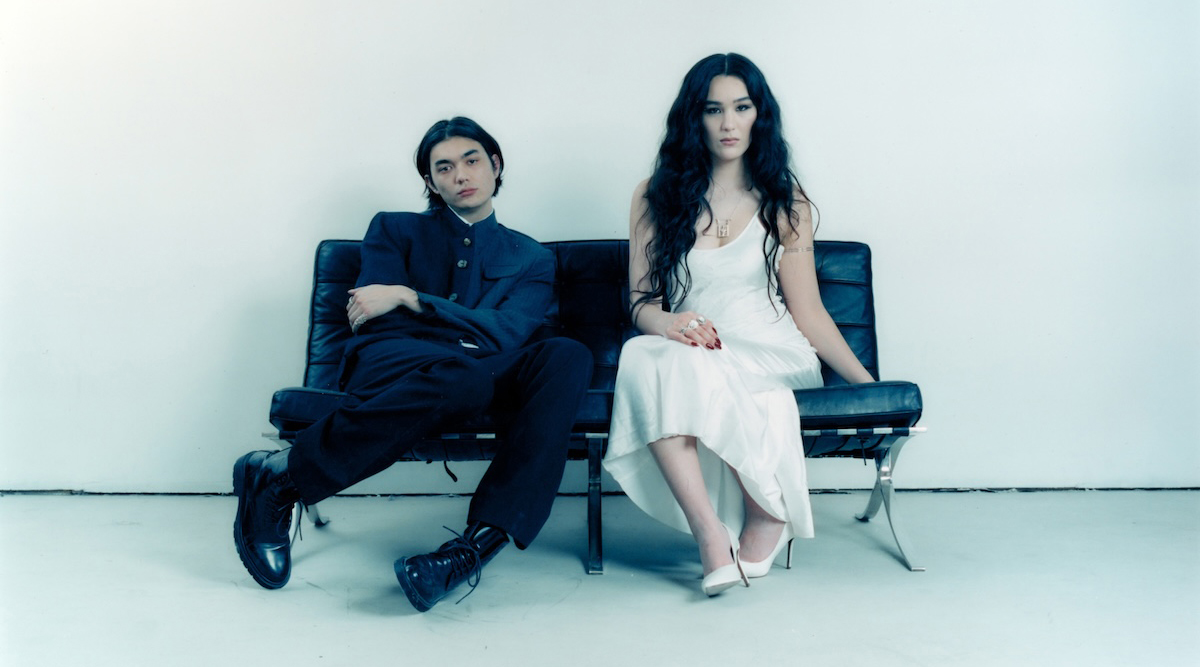
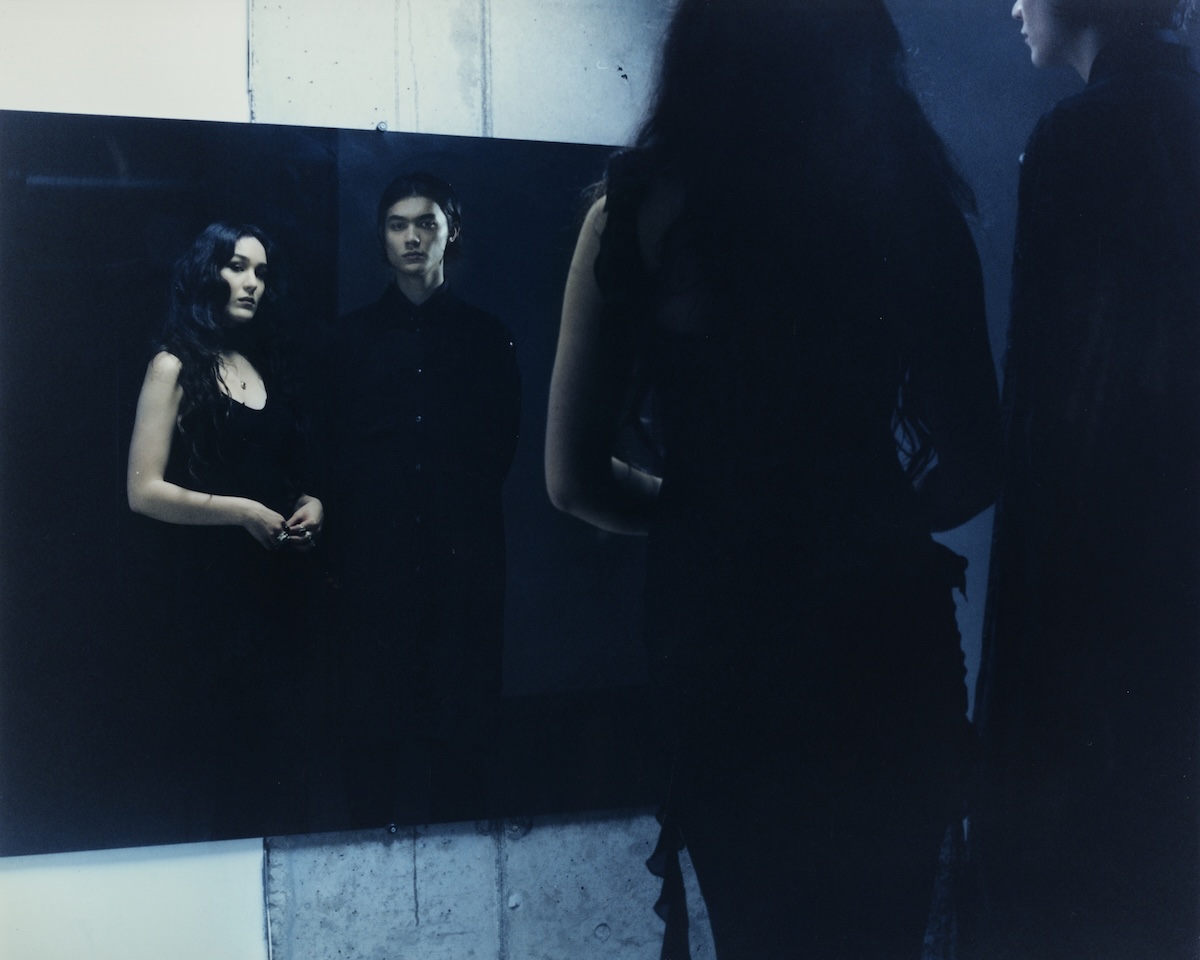
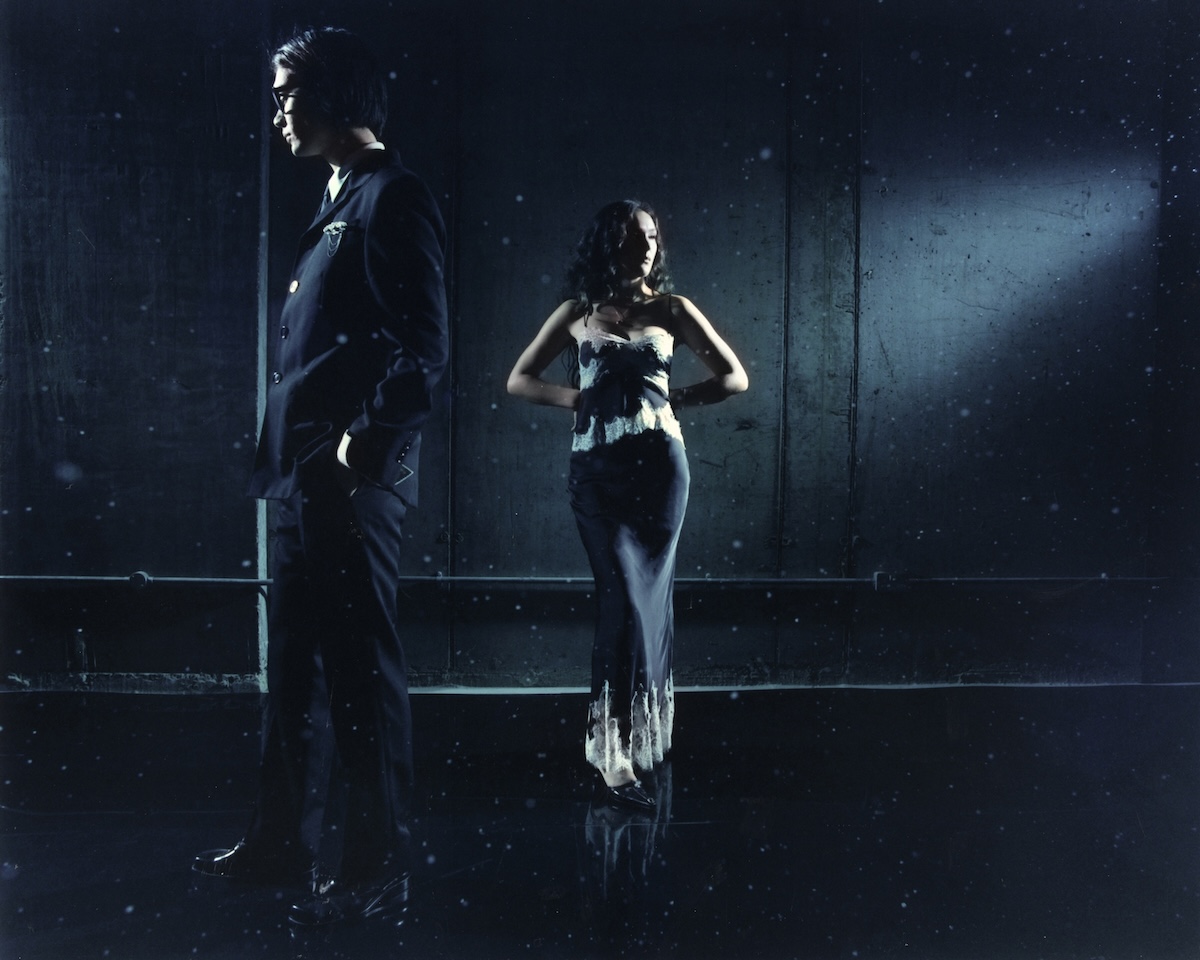
A striking departure from the softer, dreamier foundations of their earlier work, the 12-track record sees siblings Will Gao and Olivia Hardy embrace a darker, more expansive musical identity, trading bedroom-pop intimacy for something altogether more cinematic, orchestral, and emotionally unrestrained.
(Photo credit: Claryn Chong)
Since forming in 2019, the London-based duo have steadily developed a sound that draws from their classical training, Chinese-British heritage and shared instinct for blending seemingly contrasting musical worlds. While their earlier releases established them as a distinctive presence in contemporary alternative pop, Nocturne feels like the moment those influences fully converge.
Rather than abandoning the delicacy that made their music so inviting, Will and Olivia build on it, letting familiar piano melodies and intimate vocal passages sit alongside pounding electronic rhythms, sweeping strings, atmospheric synths and bass-heavy production. The result is an album that feels both intimate and enormous, as though its most vulnerable moments unfold beneath the lights of a city that never quite goes to sleep.
Also read about: Loreen Talks ‘Fire’ With A7S, Transformation and Music as Medicine
Produced alongside longtime collaborator St. Francis Hotel, Nocturne is particularly impressive in the way it balances its contrasting textures. Classical instrumentation is not simply decorative; it becomes an essential part of the album’s emotional language. Strings swell with an almost theatrical intensity, piano arrangements offer moments of stillness, and electronic production introduces a restless, club-driven energy that continually pushes the music forward.
There are shades of Berlin’s underground nightlife throughout, but the duo never lose the melodic sensitivity that makes Wasia Project recognisable. Instead, they find an exciting middle ground between the dance floor and the bedroom, between grand gestures and deeply personal reflection.
Opening with “2515,” the album immediately establishes a different side of Wasia Project. Built around a driving rhythmic pulse, brooding atmosphere, and increasingly dramatic instrumentation, the track draws the listener into its world with an urgency that feels almost confrontational.
It is an assured introduction to the record’s sonic evolution, bringing together the electronic momentum and classical flourishes that define much of what follows. Rather than easing into the experience, the duo make their intentions clear from the outset: Nocturne is music meant to be felt as much as it is heard.
(Photo credit: Claryn Chong)
That momentum carries into “Vogue,” one of the album’s most immediately captivating moments. Its hypnotic electronic beats, layered strings and Olivia’s expressive vocals create a sound that feels equally suited to a late-night dance floor and a solitary walk home afterward. An intoxicating tension exists between the track’s forward-moving production and its emotional undercurrent, capturing the strange contradictions of nighttime itself: wanting to disappear into a crowd while desperately hoping someone will notice you.
The contrast becomes even more apparent on “Whale Call,” which pulls away from the dance-driven energy to make room for a more vulnerable, vocal-led arrangement. It reminds us that beneath the album’s increasingly ambitious production lies the same emotional sensitivity that has always been central to the duo’s songwriting.
“Bleeding Gold” brings that tension back into motion, pairing a buoyant rhythmic foundation with a lingering sense of uncertainty. Its appeal lies in the juxtaposition: the music invites movement, even when the emotions at its center remain unsettled.
One of the album’s greatest strengths is its willingness to let these contradictions exist without forcing them into neat resolutions. Nocturne is concerned with youth, identity, loss and the complicated process of understanding oneself and others. These are familiar subjects, but Will and Olivia approach them through an atmospheric lens that gives the record a distinctive sense of place.
It feels less like a straightforward collection of coming-of-age songs and more like a series of fleeting encounters, memories, and unanswered questions unfolding over the course of a single night.
Also read about: Henry Morris Talks Artistic Growth, Tour and New Album, Including Collaborating With G-Eazy
That emotional depth comes into focus on “Voices In My Head,” where the arrangements make space for vulnerability before expanding into something more sweeping.
Elsewhere, “Even If I Tried” offers a more intimate perspective, allowing the uncertainty within the songwriting to take centre stage. These quieter moments are essential to the album’s identity. Without them, its grander compositions might risk becoming overwhelming; with them, the record develops a satisfying emotional ebb and flow.
“Sunken Quay” deepens the atmosphere further, while “Strike Me Down From Heaven” leans into the theatrical side of Wasia Project’s musical imagination. Its dramatic scope feels almost cinematic, demonstrating just how comfortably the duo can move between alternative pop, orchestral arrangements and widescreen electronic production. There is a confidence in these compositions that makes the album feel considerably larger than a debut, even when its subject matter remains rooted in the intimate experiences of growing up.
Perhaps the most striking moment arrives with “Moon Goddess,” a four-minute instrumental interlude that allows the album to momentarily suspend itself. Built around piano, string, and an ethereal atmosphere, it provides a welcome breath between the record’s more emotionally charged passages.
Its significance extends beyond simply offering a change of pace: it demonstrates how much Will and Olivia can communicate without relying on lyrics. The arrangement feels delicate yet expansive, creating a moment of stillness that somehow carries as much emotional weight as the songs surrounding it.
From there, “Stay” and “Nightingale” continue the record’s gradual movement toward introspection. The energy that once propelled the album forward begins to soften, giving way to a more reflective atmosphere. Rather than feeling like a loss of momentum, this shift feels entirely intentional. The listener is no longer chasing the night; they are beginning to reckon with everything it has brought to the surface.
(Photo credit: Claryn Chong)
Closing with “Wildfire,” Wasia Project bring the journey to a fitting conclusion. After moving through moments of restlessness, uncertainty, longing and release, the album arrives at a finale that feels both expansive and emotionally resonant. It is an appropriate closing statement for a record so preoccupied with transformation: not every question needs an answer, and not every feeling needs to be resolved for the experience to mean something.
What makes Nocturne exciting is that its evolution never feels like an attempt to outgrow the past. Instead, it sounds like two artists discovering how much more their musical language can go. Will and Olivia have taken the qualities that made their earlier work distinctive and placed them within a much broader creative framework, demonstrating an impressive understanding of atmosphere, arrangement, and emotional pacing. There are moments when the album’s grander ambitions threaten to overshadow its intimacy, but even that tension feels consistent with its central themes.
This is a record about extremes, after all: the exhilaration of being surrounded by people and the loneliness of feeling completely unknown; the desire to hold on and the necessity of letting go.
With Nocturne, Wasia Project makes a compelling case for their next chapter. It is an ambitious, carefully constructed debut that embraces experimentation without sacrificing the emotional sincerity at the heart of their music.
More than a departure from their earlier sound, it is an expansion of everything they have been building toward. The result is a beautifully atmospheric portrait of growing up, searching for connection, and finding moments of clarity in the hours when the rest of the world falls away.
Some albums feel like a collection of songs. Nocturne feels like a place you enter, spend time in, and carry with you long after the final note fades. For Wasia Project, this is more than an introduction to their full-length ambitions. It is the sound of a duo stepping confidently into their own world, and inviting everyone else to stay a little longer.
You can listen to the album here:
Want more new music? Read Xana on Her Calmer Era and ‘Is It Everything You Thought?’