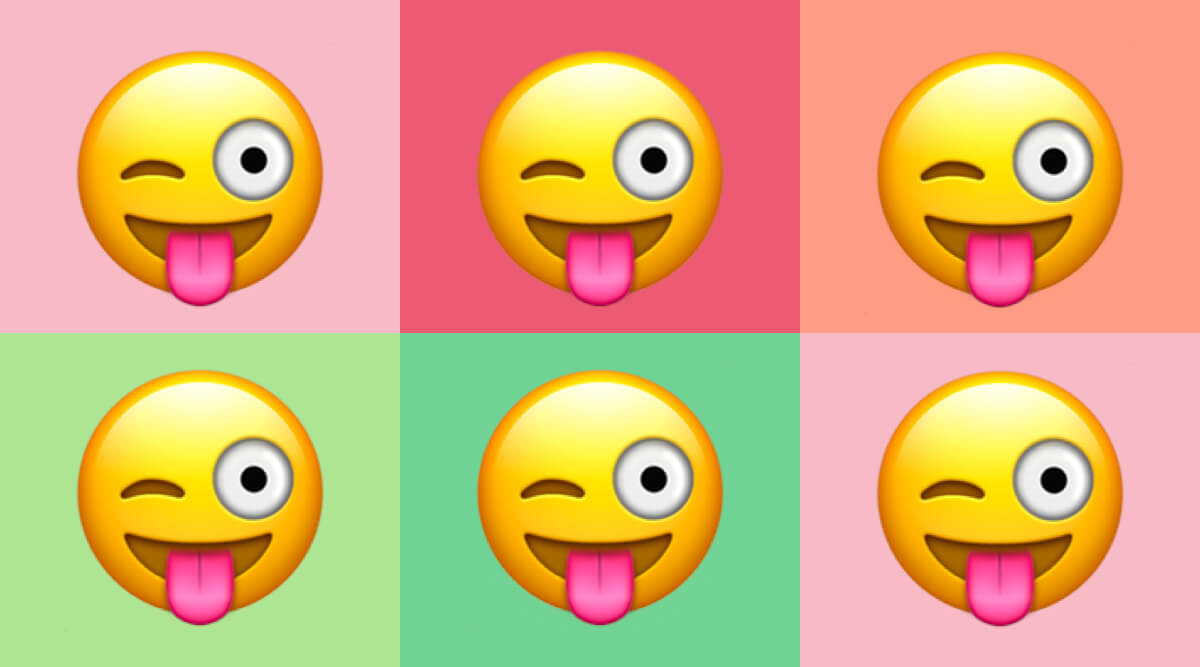
Feeling playful? Then it might be a good time to include one specific emoji in your texts: 😜
Is there any emoji cheekier than the winking face with its tongue sticking out? Whether you’re teasing a friend, joking in the group chat or being a little bit flirty, it can make a text sound lighter and a lot more fun.
But like most emojis, what 😜 means depends on who’s sending it and why. Here’s what it means, where it comes from and when to use it.
What 😜 Means in Texting
The “winking face with tongue” emoji (very literal description, we know) is rarely used in serious situations, instead commonly found when someone is showing:
- Excitement
- Flirtation
- Wackiness
- Fun
- Joking
- Sarcasm
Basically, 😜 tells the reader not to take a message too seriously. Whether it’s sarcasm, a joke or a little flirting, the tongue-out wink says, “I’m just playing.”
Also read about: What Does the 😆 Emoji Mean?
Other Interpretations of 😜
However, 😜 can also mean:
- “I’m teasing you” or “I’m only kidding,” softening a comment that might otherwise sound harsh
- A mischievous “guess what I’m up to” when someone is sharing a secret or a plan
- Pure silliness, like a goofy mood or a funny selfie
- A literal “nah-nah,” sticking your tongue out at someone just like you would in person
How to Use 😜
Think of 😜 like the emoji form of saying, “just kidding.” You might see it when someone wants to make it obvious that they’re being sarcastic—but it could also be a bit flirty when sent in the right way by the right person.
Also read about: What Does the 😡 Emoji Mean?
😜 From a Crush
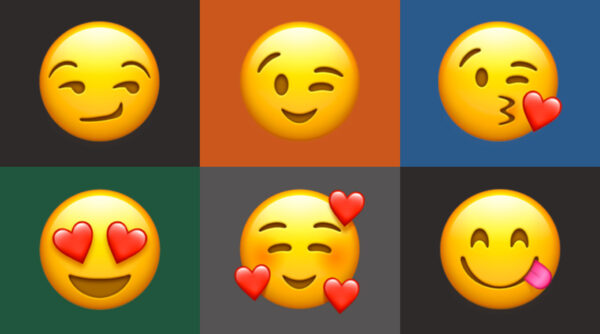
How is 😜 used flirtatiously, you might ask? In certain contexts, it can be used to say “I like you” without saying it. It’s cheeky, with the playful tongue out and the suggestive wink, so if your crush sends it your way—whether they’re a guy or a girl—you might want to follow up to see if they reciprocate your feelings.
Also read about: What Does the 🤭 Emoji Mean?
Where 😜 Comes From
The official Unicode name for 😜 is “Face With Stuck-Out Tongue and Winking Eye.” It was approved as part of Unicode 6.0 in 2010 and added to the standard emoji set in 2015. The look varies a little from phone to phone, but the winking eye and the tongue are always there, so the tone stays the same.
Its meaning didn’t come out of nowhere. Before emojis, people typed a winking, tongue-out emoticon like ;P to signal a joke, and 😜 carries on that same playful spirit.
Common Combos and What They Mean
The emojis around 😜 usually tell you which tone the sender is going for:
😜🎉 usually signals excitement, like a party plan or a win someone is hyping up.
😜🥺 often reads as a sincere “I was only kidding, please don’t be mad.”
😜😏 leans into flirty or ironic teasing, with a hint that there’s more behind the joke.
When to Use 😜 (and When Not To)
😜 works best in casual, low-stakes chats, like joking with friends, teasing a crush or softening a sarcastic comment. It falls flat in serious conversations, apologies or anytime someone is upset, because the tongue-out wink can come across as if you’re not taking them seriously. Sarcasm is hard to read over text, so when in doubt, lead with your actual words.
Also read about: 10 Flirty Emojis From a Guy and What They Mean
So the next time you want to say “just kidding” with a little extra flair, 😜 has you covered. And if you want to know what other emojis could mean when they come from a crush, read How to Decode 70+ Common Emojis From Your Crush.