We always get a unique sense of satisfaction out of making something with our own hands. Passive hobbies are one thing, but crafty and creative ones that produce actual, tangible results are another. At the end of the day, you can enjoy not just the thing you’ve made, but a sense of pride about getting it done.
If you’re new to the world of the creative arts, however, deciding where to get started can be a little daunting. It can be helpful to see some of your options laid out to explore, and we’ve done just that below.
Painting
When you think about art, painting is probably one of the first hobbies you imagine, and for good reason. Most of the world’s most famous works of art are masterpiece paintings, but that doesn’t mean you have to set the bar too high. It just takes the right materials—your canvas, plus paints or watercolors—and the desire to bring something to life. The results don’t have to be perfect to bring a sense of creative achievement.

(via Shutterstock)
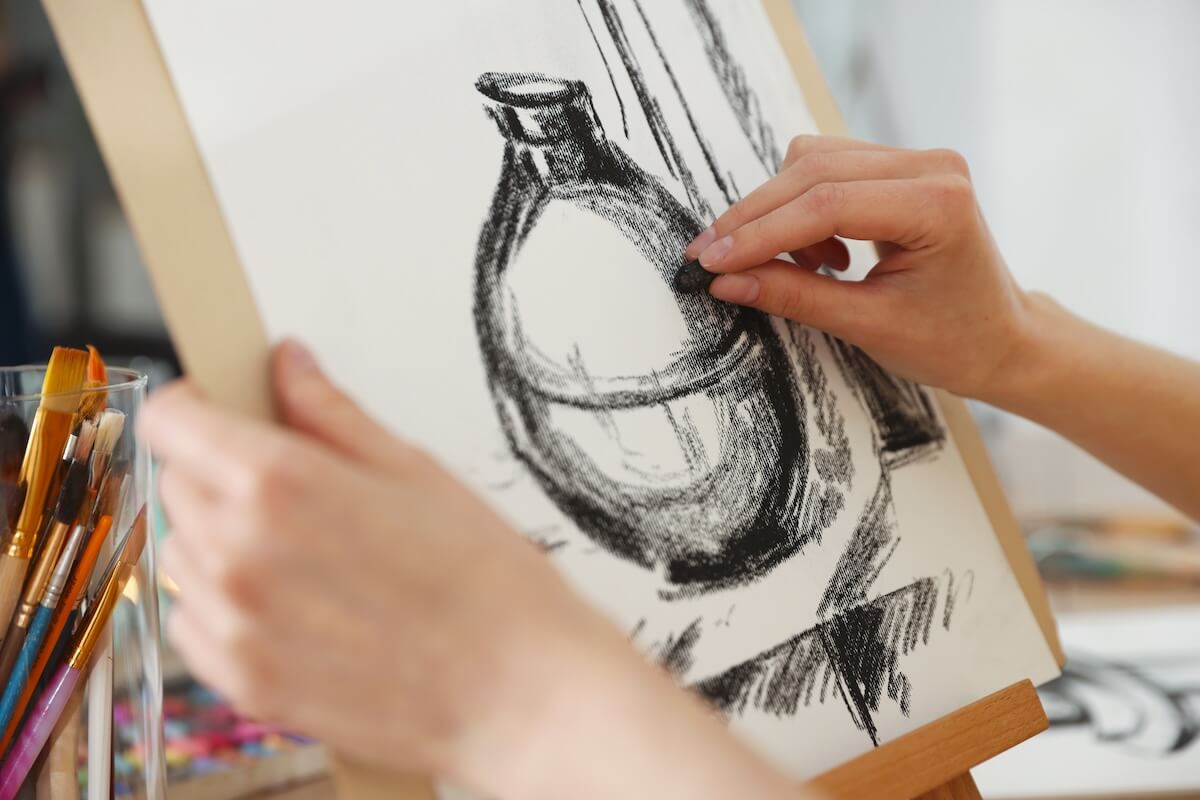
Drawing
Drawing is another classic art form that’s really all about creating something between yourself, your materials and the page. It’s usually less messy and requires less preparation than painting, but whether you decide to use pen and inks, graphite and colored pencils, charcoal or any other medium, you can still create something beautiful—or simply something that expresses whatever you’ve got inside of you at the moment.
(via Shutterstock)
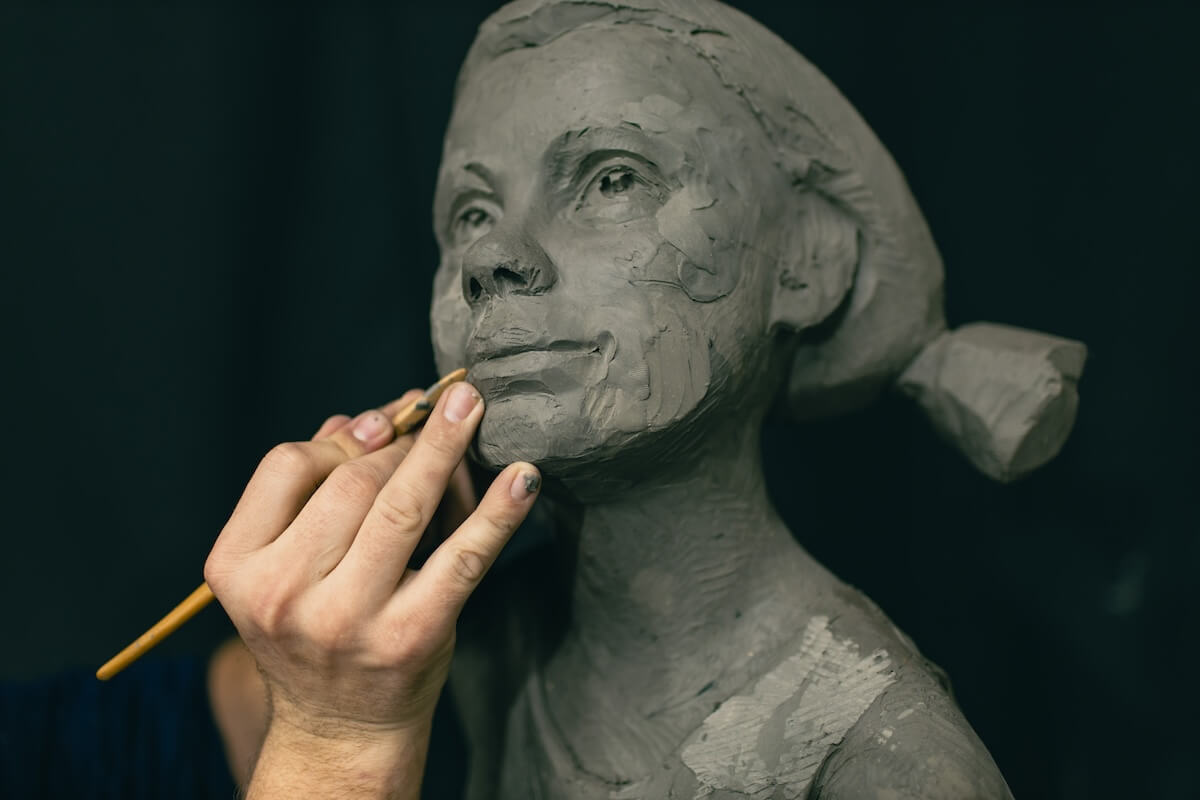
Sculpture
Most newcomers to the arts stick to the basics, like drawing or painting, ignoring the fact that work can take on an even greater dimension in 3D. Sculpture comes in many forms, but for beginners, we suggest avoiding something like carving a big statue out of marble, and instead focusing on more manageable materials, like clay. Working in three dimensions to create the desired shapes works completely different parts of your brain, with gravity and your imagination being your only limits. You can also look into techniques to paint and bake your projects to keep them forever.
(via Shutterstock)
Origami
We love art forms that don’t require a lot of supplies or preparation, and great origami is all about having good paper and knowing how to use your hands to fold it into incredible shapes. Start with simple tutorials with basic folds and traditional designs, like swans, fish and stars, before moving up to more complicated looks that may require video examples and mastering complex techniques. Once you get the hang of it, you’ll be able to fold anything with the right directions—and maybe even create gorgeous designs of your own.
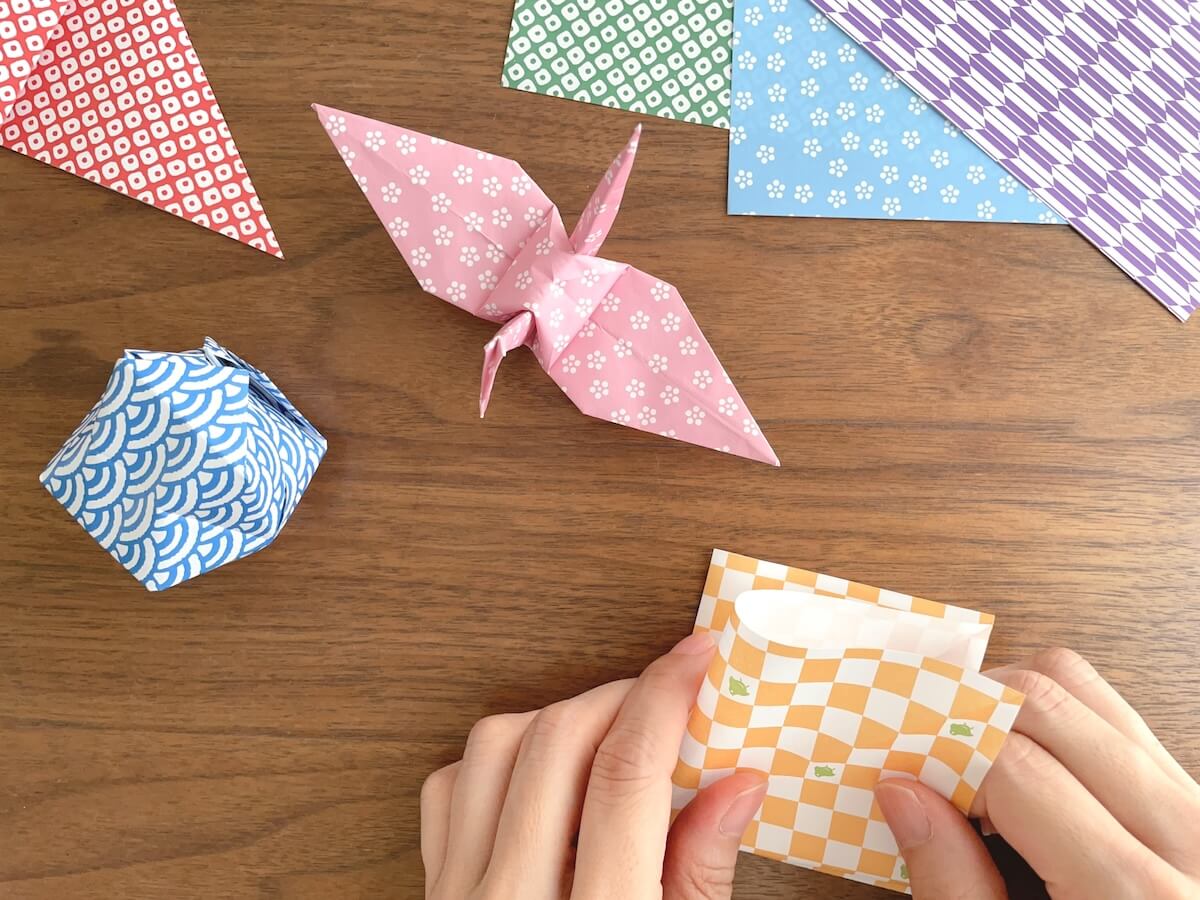
(via Shutterstock)
Basket Weaving
Some of us are more inclined to take up crafts that feel practical and yield usable results, making basket weaving an excellent option. It all starts with the right materials, usually something strong yet pliable, whether natural or synthetic, and learning how to weave them together to create everything from baskets to bags and even decor. It can be time-consuming, but well worth the effort, as when you’re done, you’ll have a handmade piece you can proudly show off in your home or on the go.
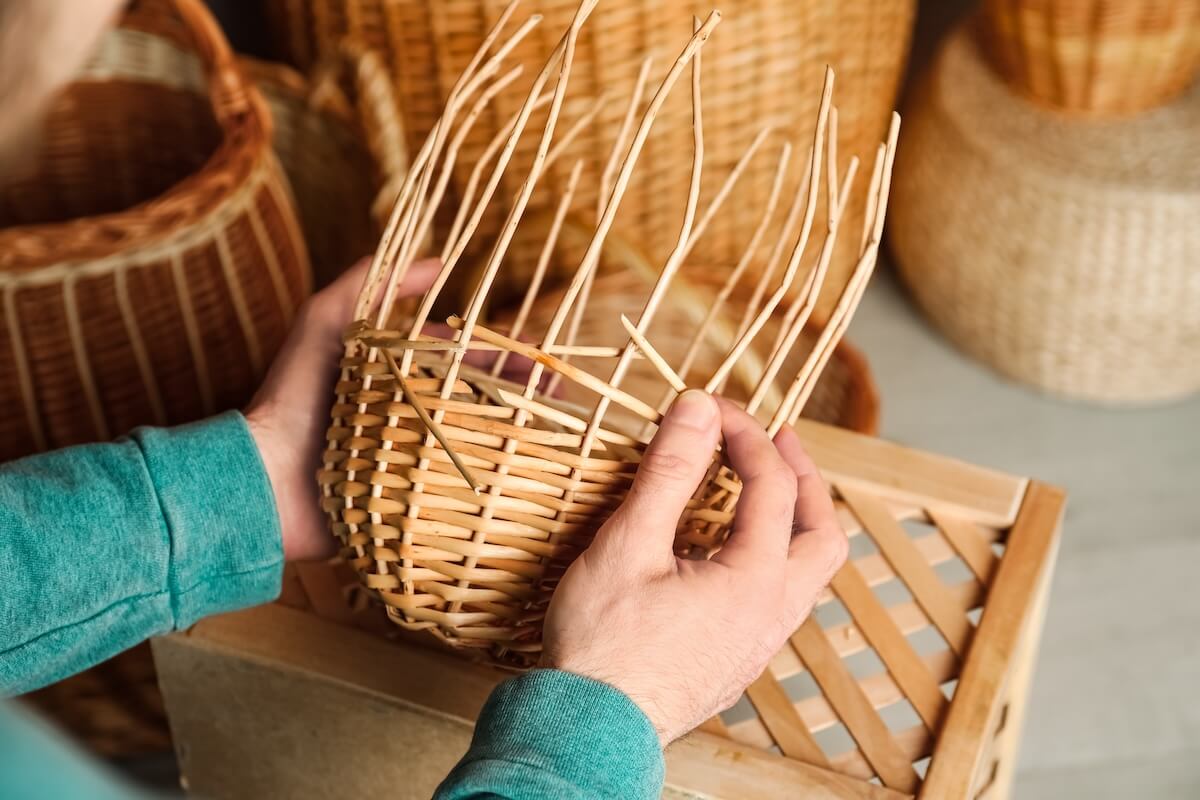
(via Shutterstock)
Jewelry-Making
If you’re a lover of style and accessorization, jewelry-making might be a natural fit. You can start with something simple, like making cute beaded friendship bracelets, and work up to learning about wire-wrapping, metal threading and even metal-smithing to craft everything from necklaces and earrings to bracelets and rings. It’s an incredible way to show off your unique aesthetic with pieces you made yourself.
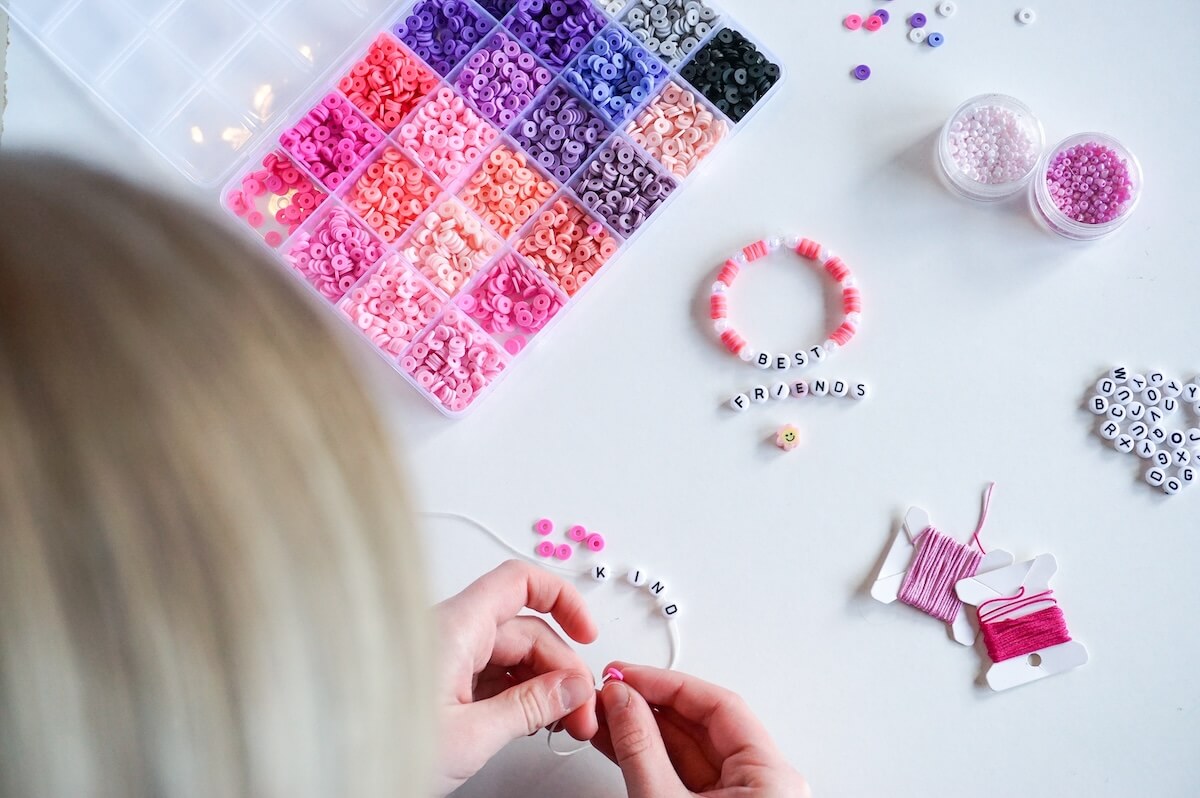
(via Shutterstock)
Woodworking
Many people have never considered woodworking as a hobby, despite utilizing wooden tools and furniture basically every day. Woodworking is essentially the art of making wooden items, which can be highly functional or decorative, depending on what you’re interested in. Whether you need to fix stuff up around the house or build furniture from scratch, it’s extremely practical—as well as lucrative, if you want to turn the hobby into something more.
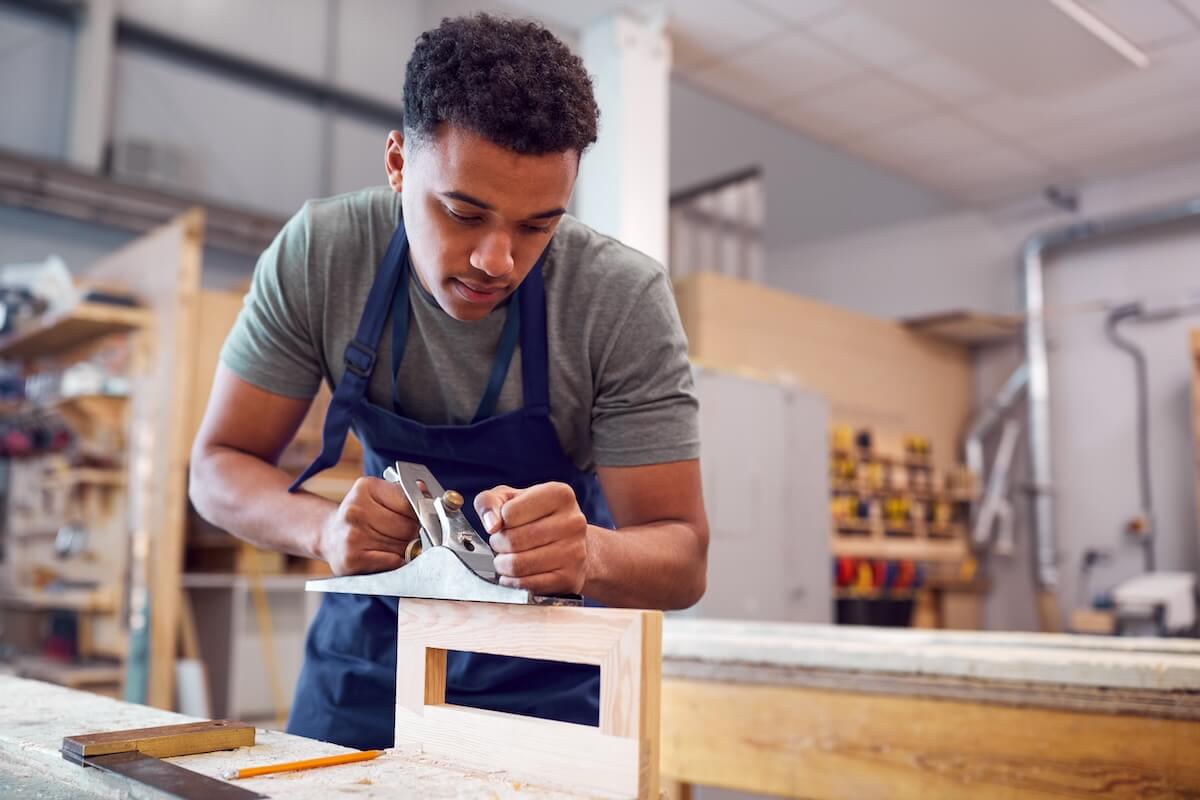
(via Shutterstock)
Also read about: Artful Vincent van Gogh Quotes to Use as Your Next Instagram Caption
Whittling
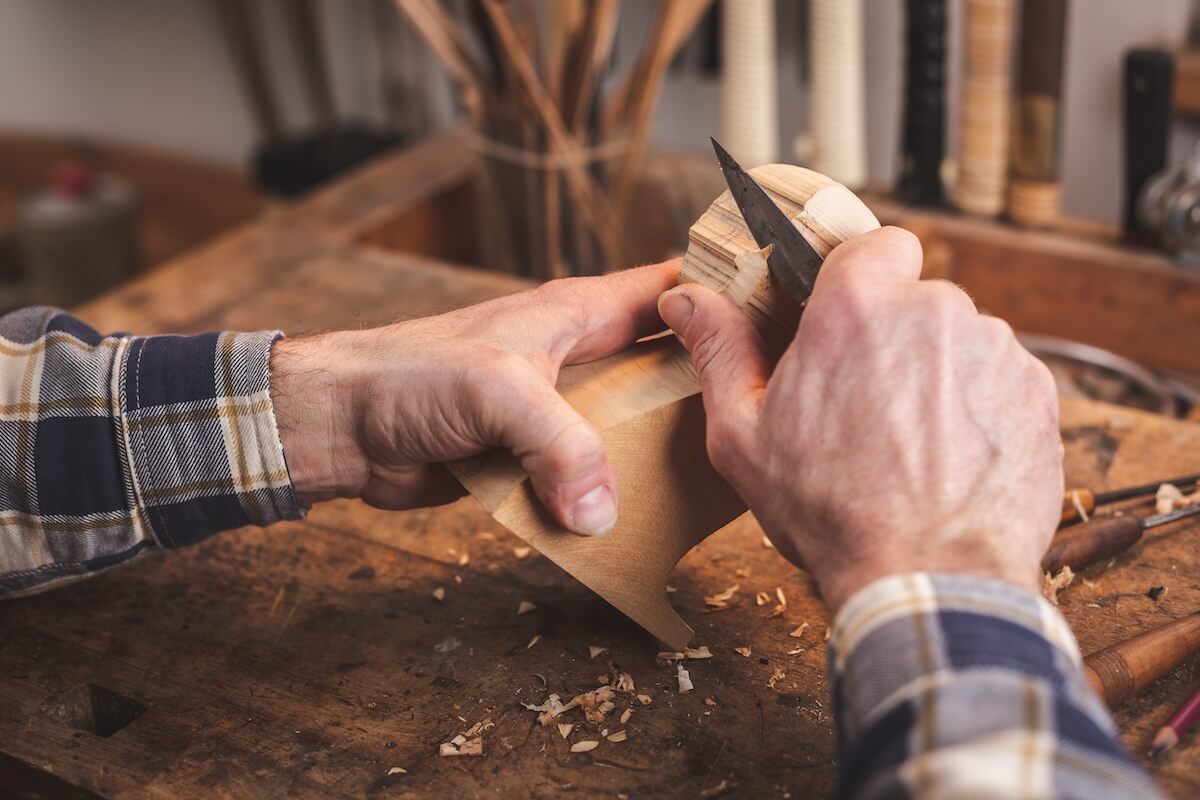
Another approach to working with natural wood is whittling and wood-carving. It’s a more creative endeavor, usually involving taking a block of wood and chipping away at it with the right tools until you get the desired shape. It requires attention to detail, and understanding of three-dimensional shapes, but it can produce great results, whether you’re going for hyperrealism, cartoony styles or whimsy. You might even follow this route to make practical tools, from spoons to pencil holders.
(via Shutterstock)
Woodburning
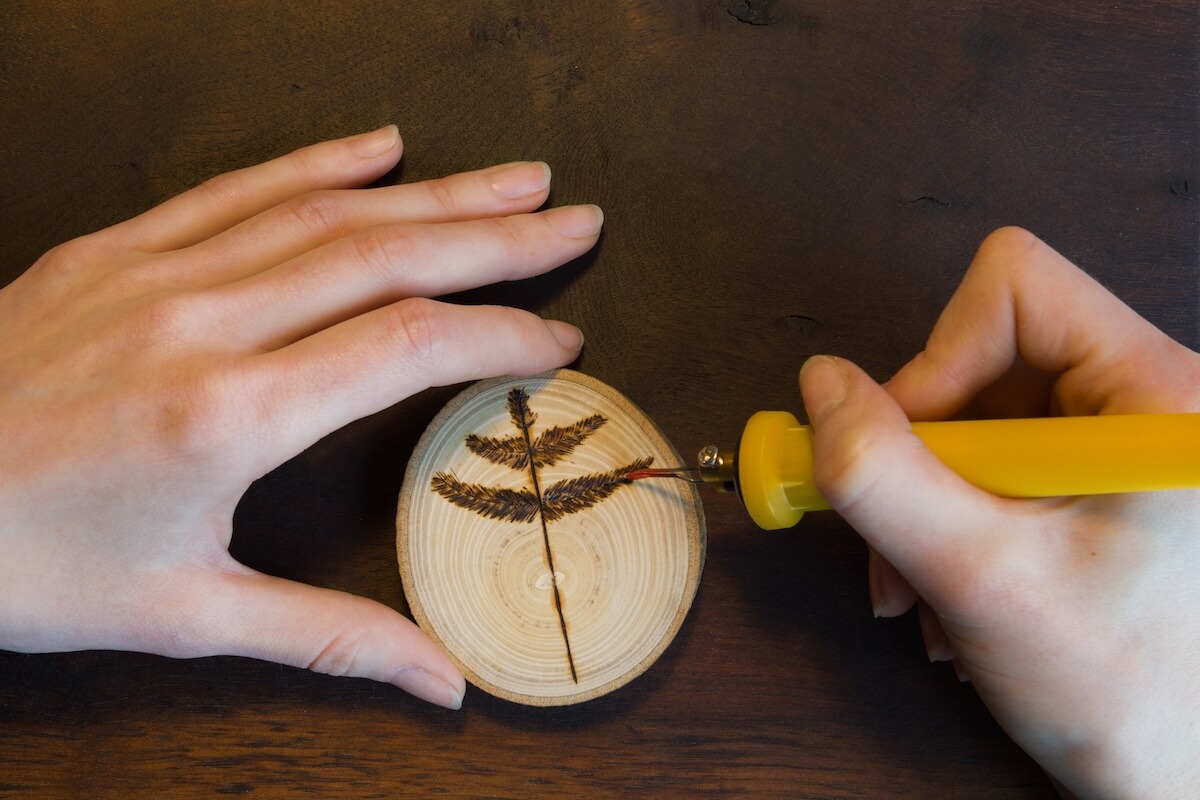
Woodburning, or pyrography, is another innovative way to turn wood into art. It involves carefully burning wood using a heated appliance to create words or images, with heavier burns resulting in darker hues. Across the image, various intensities of burning can be used to create detailed shading and coloration for truly striking visuals. Of course, since heat—and potentially fire—and involved, you should be extra careful in picking up this craft, and get to know your preferred tools inside and out before diving in.
(via Shutterstock)
Sewing
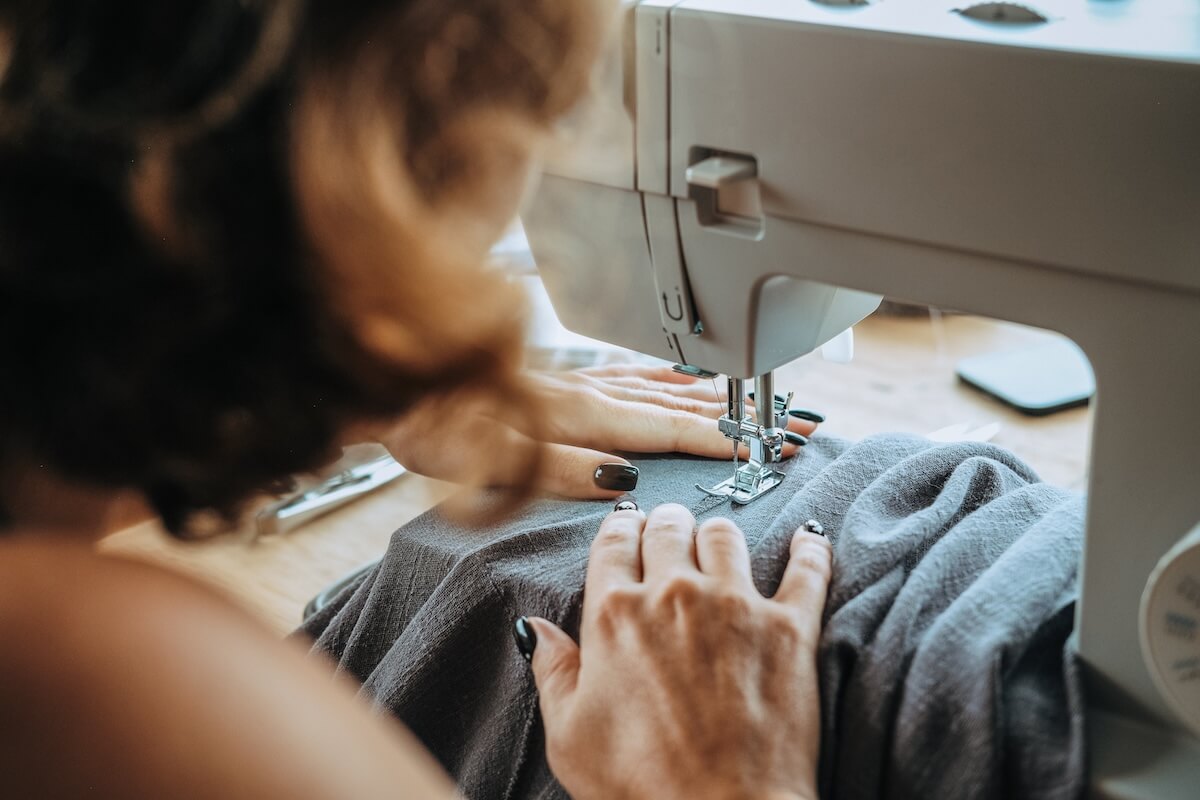
Truly, we think everyone would benefit from knowing at least the sewing basics. Whether you learn how to dew by hand with a simple needle and thread or get proficient with a sewing machine, it’s a super handy and practical skill for both mending and altering clothing and making new pieces from scratch. Start by practicing a few basic stitches, and build your repertoire from there.
(via Shutterstock)
Felting
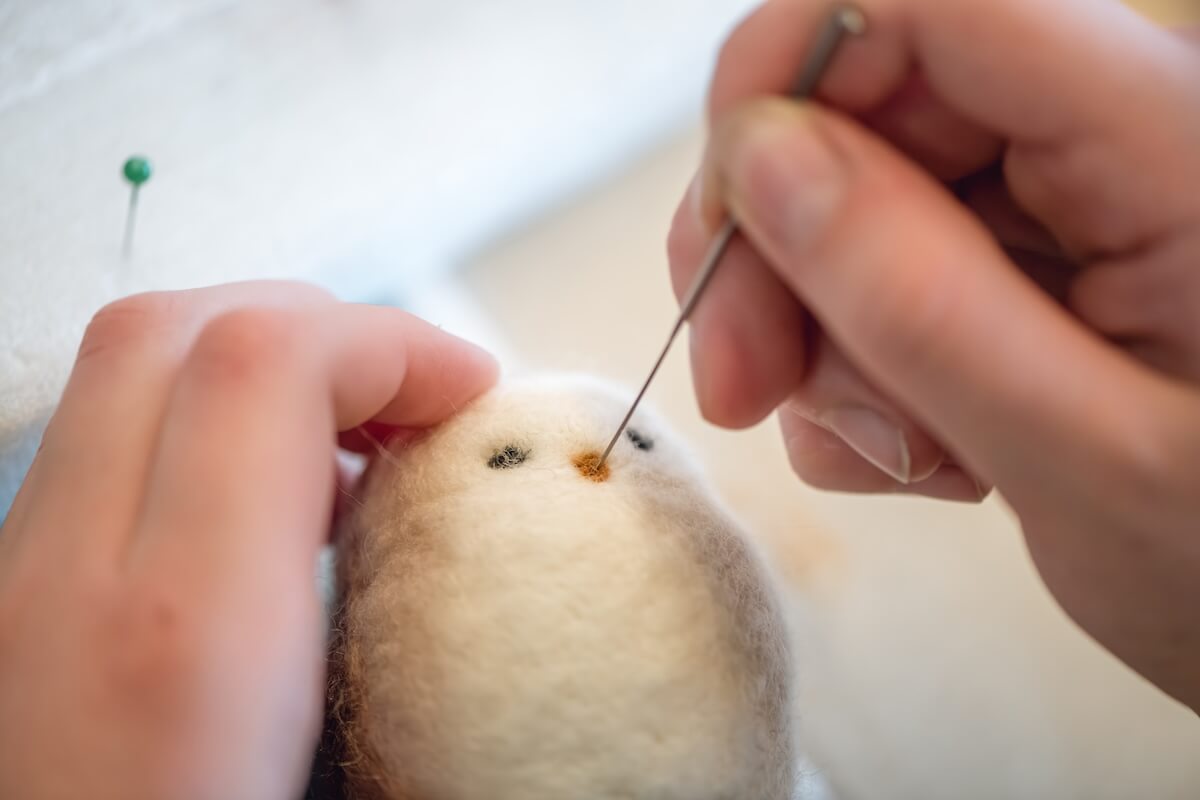
Felting has had a big surge in popularity due to social media, in part because it can generate some truly spectacular and adorable artwork. The process includes matting fibers and pressing them into shape using various methods, with needle felting being common for making cute plush figures. In addition to the cuddly creatures we’ve seen everywhere, felting can also create incredible two-dimensional art, using layered pieces of felt like a collage.
(via Shutterstock)
Quilting
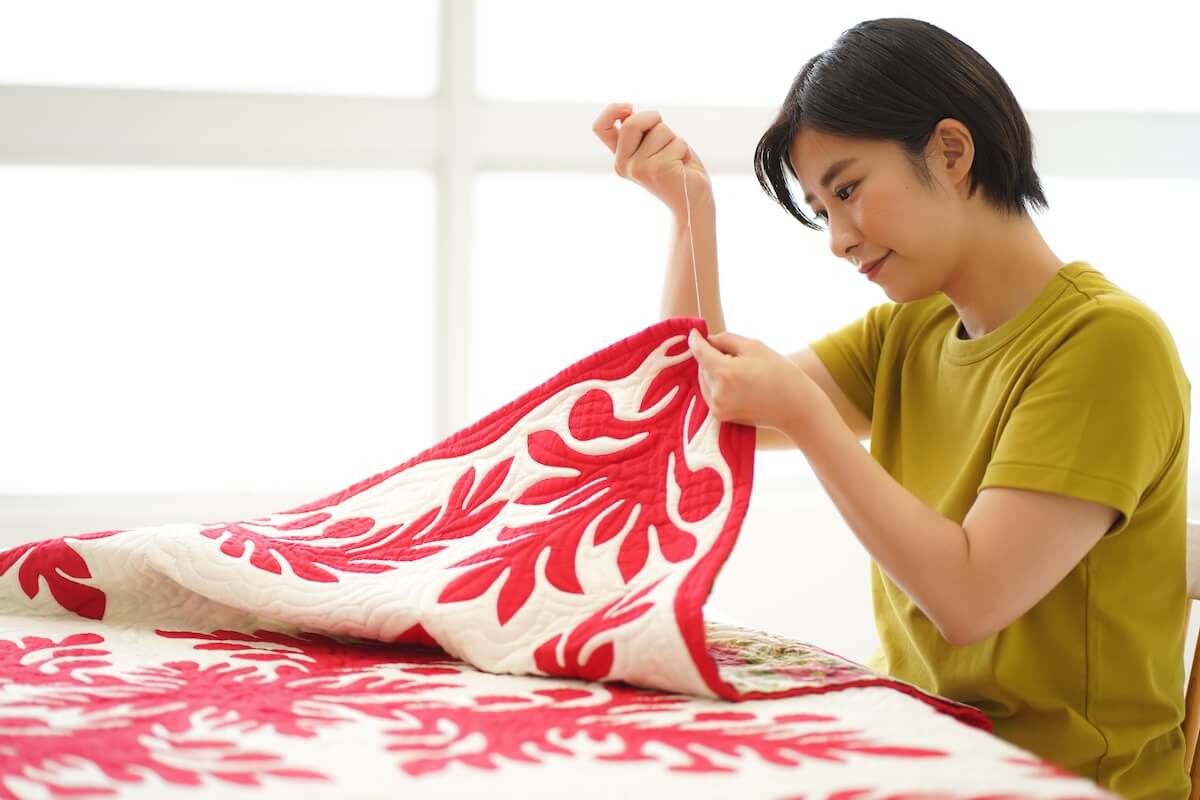
There’s something so special about quilts that get passed down through generations, and just because not as many people are quilting today than they did in the past means we should let this art form die out. In quilting, multiple fabric layers are sown together to create a textured and puffy padded surface, often with beautiful designs. It’s an awesome way to upycycle old clothing or scrap fabric, and whether you decide to actually use them for sleeping or just as a decorative item, it’ll be a worthwhile time investment.
(via Shutterstock)
Cross-Stitch
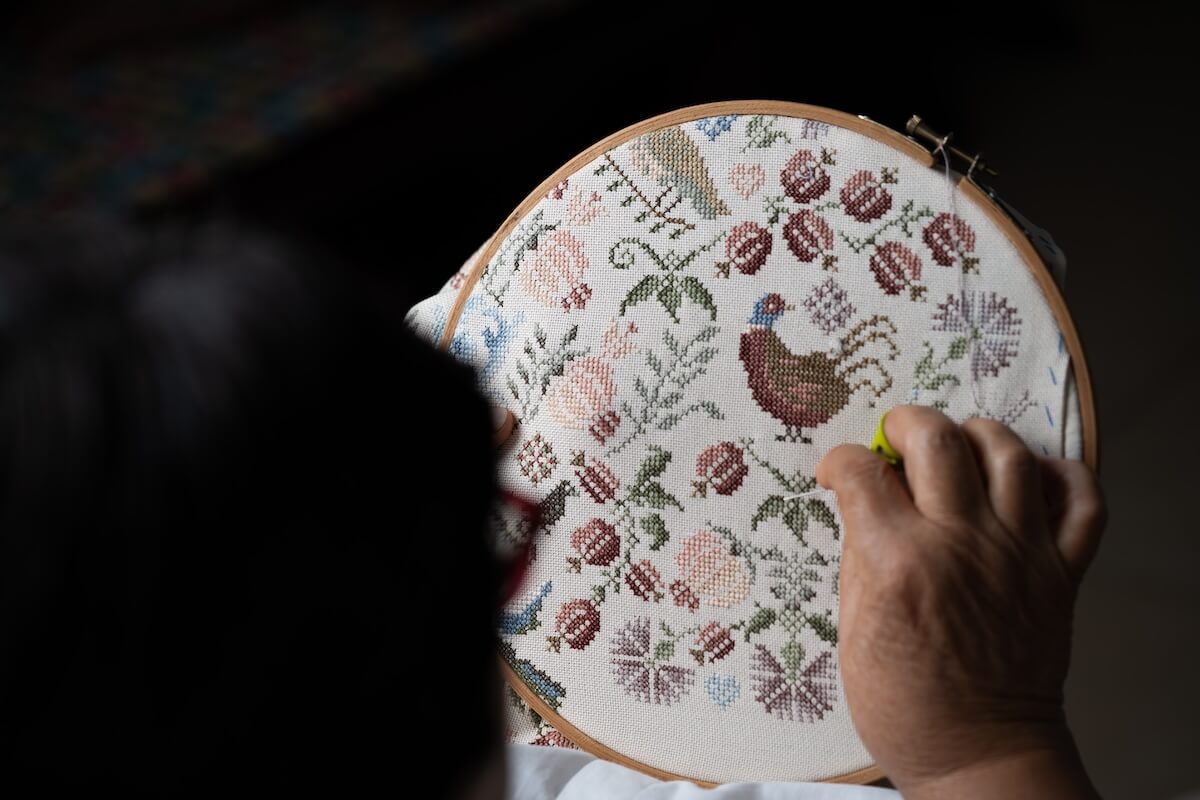
We adore cross-stitch because it’s essentially making pixel art by sewing with thread. You start with evenly woven fabric, like aida cloth, which provides a guide for you to add X-shaped embroidery stitches to create your image, whether you’re writing out a word or drawing out a picture in a single color or making a kaleidoscopic visual using dozens of them. It’s also a craft you can pick up without much training, though we do recommend you check out some tutorials first to learn best practices and save yourself time and effort.
(via Shutterstock)
Crochet
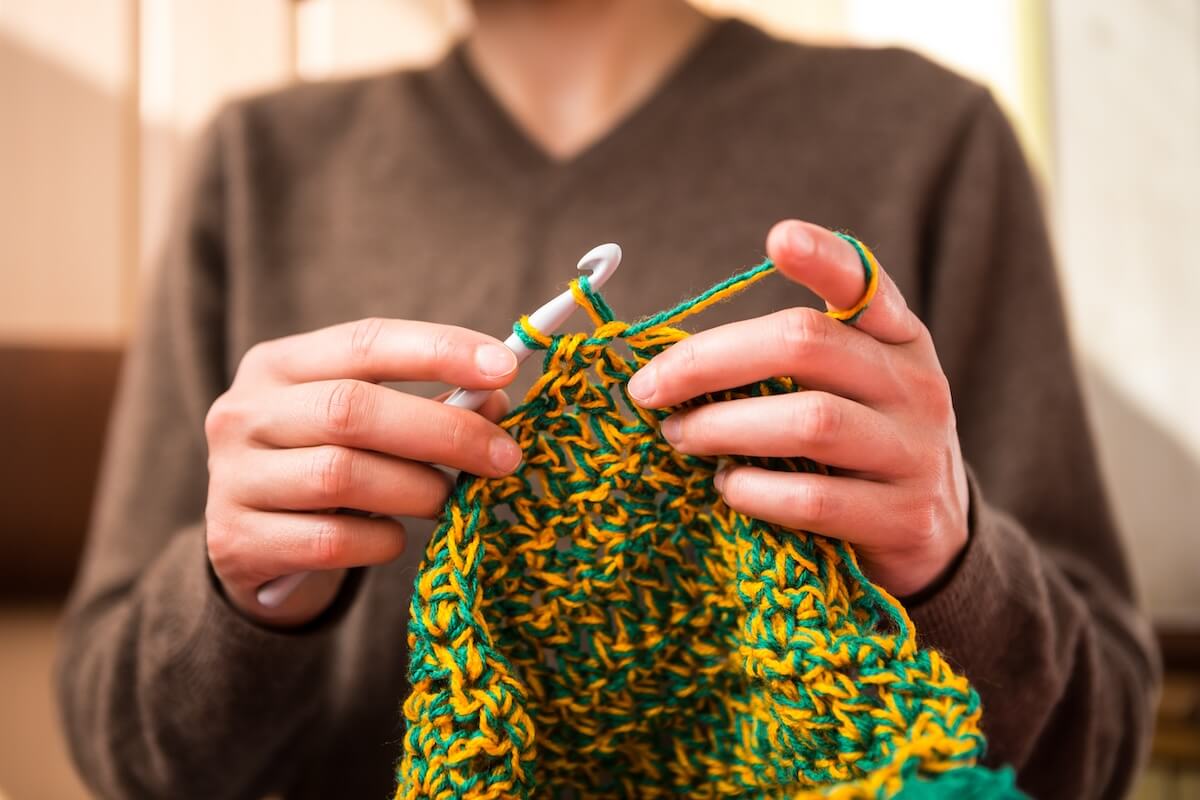
Crochet—not to be confused with knitting—involves using a special rounded hook and yarn to create special loops that lock the piece together. There are many forms of crochet, and while many people like to focus on making clothing and garments, others prefer tapestries and decorations, or bags and practical items, or even cute stuffed characters known as amigurumi in Japan. It’s a bit more beginner-friendly than other fiber arts, while also being slightly more time-consuming than you might think.
(via Shutterstock)
Also read about: Not Into Drawing and Painting? Here Are 6 More Ways to Feel Artistic
Knitting
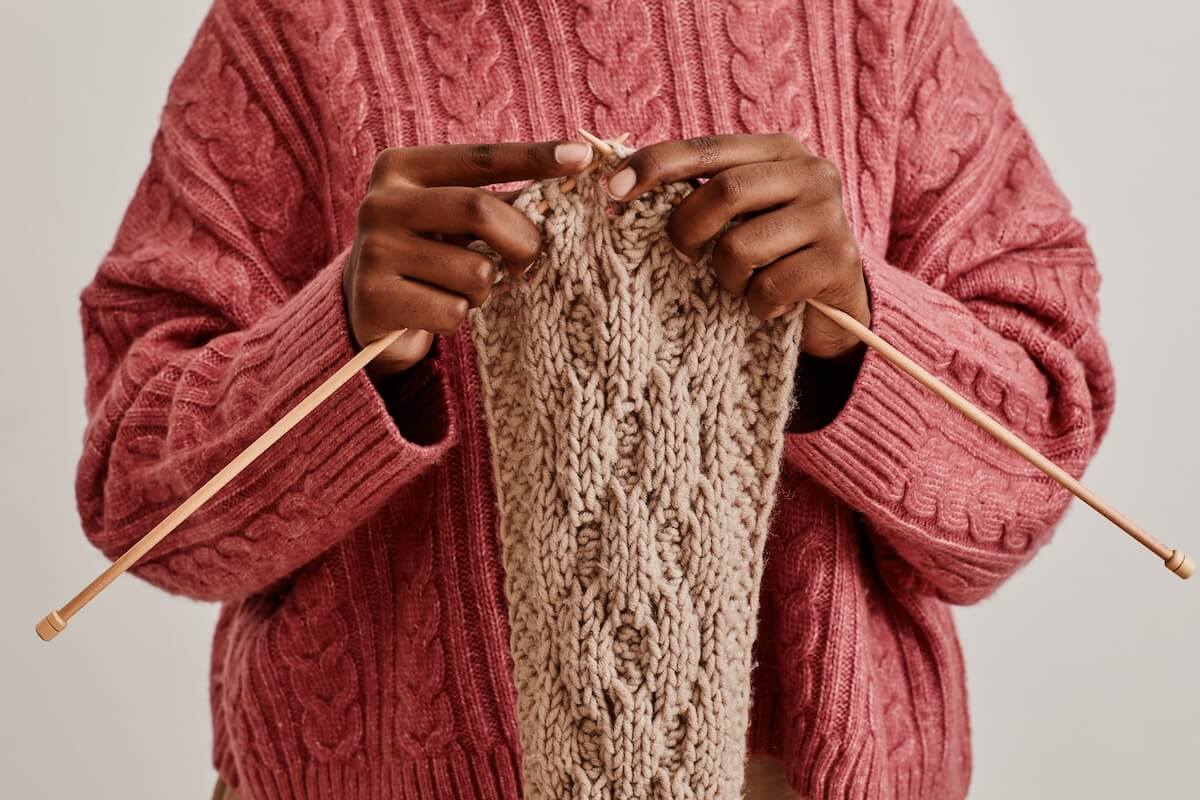
Knitting, on the other hand, involves using two needles to create interconnected loops with yarn. It requires a completely different set of skills from crochet, with different rules for fixing issues, and produces textiles that use less yarn and have a stretchier, more flexible feel. We find knitting to be slightly trickier to master than crochet, though we highly recommend trying out both and seeing what you prefer.
(via Shutterstock)
Pottery
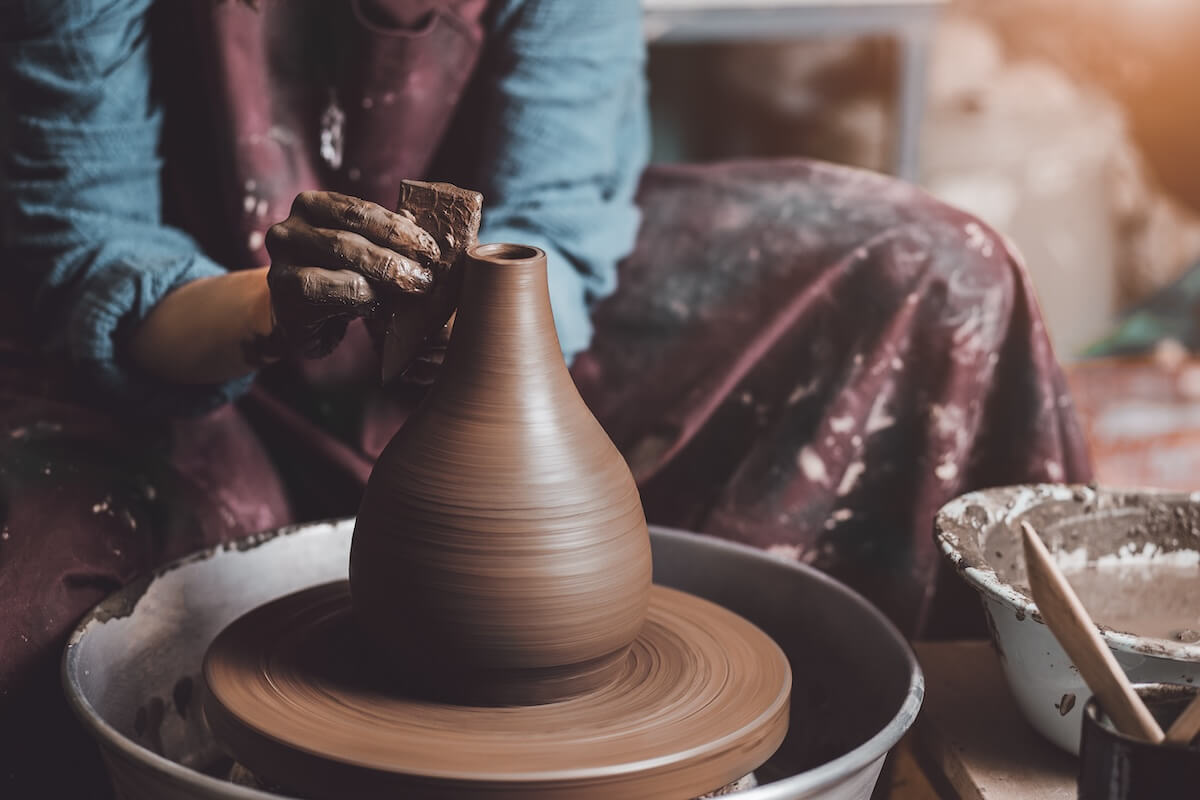
We all have a mental image of making pottery—usually one that involves spinning a clay wheel—but that isn’t the only way that pottery can take shape. The process includes using clay (and sometimes other materials) to form objects, from practical ones like plates, vases and mugs to figurines, whether you use a wheel for symmetry or freely make it by hand. Sometimes, they’re glazed to add colors or make them food-safe, and then they’re fired in a kiln at high temperatures to make them study and usable.
(via Shutterstock)
Nail Art
We all have a mental image of making pottery—usually one that involves spinning a clay wheel—but that isn’t the only way that pottery can take shape. The process includes using clay (and sometimes other materials) to form objects, from practical ones like plates, vases and mugs to figurines, whether you use a wheel for symmetry or freely make it by hand. Sometimes, they’re glazed to add colors or make them food-safe, and then they’re fired in a kiln at high temperatures to make them study and usable.
(via Shutterstock)
Cosplay
Cosplay really is a melting pot of many art forms, because a ton goes into transforming yourself into a beloved and recognizable character. Getting the right ensemble together is just the beginning, and even that can involve lots of shopping, altering and customization. Hair and makeup can be just as much of a process, and that’s not even to mention prop-building. Some of the skills above might come into play, but we recommend turning to the experts online for more insights on how to turn the incredible cosplay in your head into reality.

(via Shutterstock)
Writing
Writing is a tool everyone should have in their skillset, and the best thing about it is that all you need to do it is paper and a writing utensil, or any device that lets you type up words. Writing as a hobby can mean journaling about the day or your goals and dreams in order to process your feelings, or it can involve blogging about your interests and the things you love. Maybe you’d like to write an original story, or fanfiction starring your favorite characters. Just start jotting down ideas and try to build something more concrete from there. The more you write regularly, the better you’ll get at doing it. Being an avid reader can also help you learn more about what you love about writing.

(via Shutterstock)
Photography
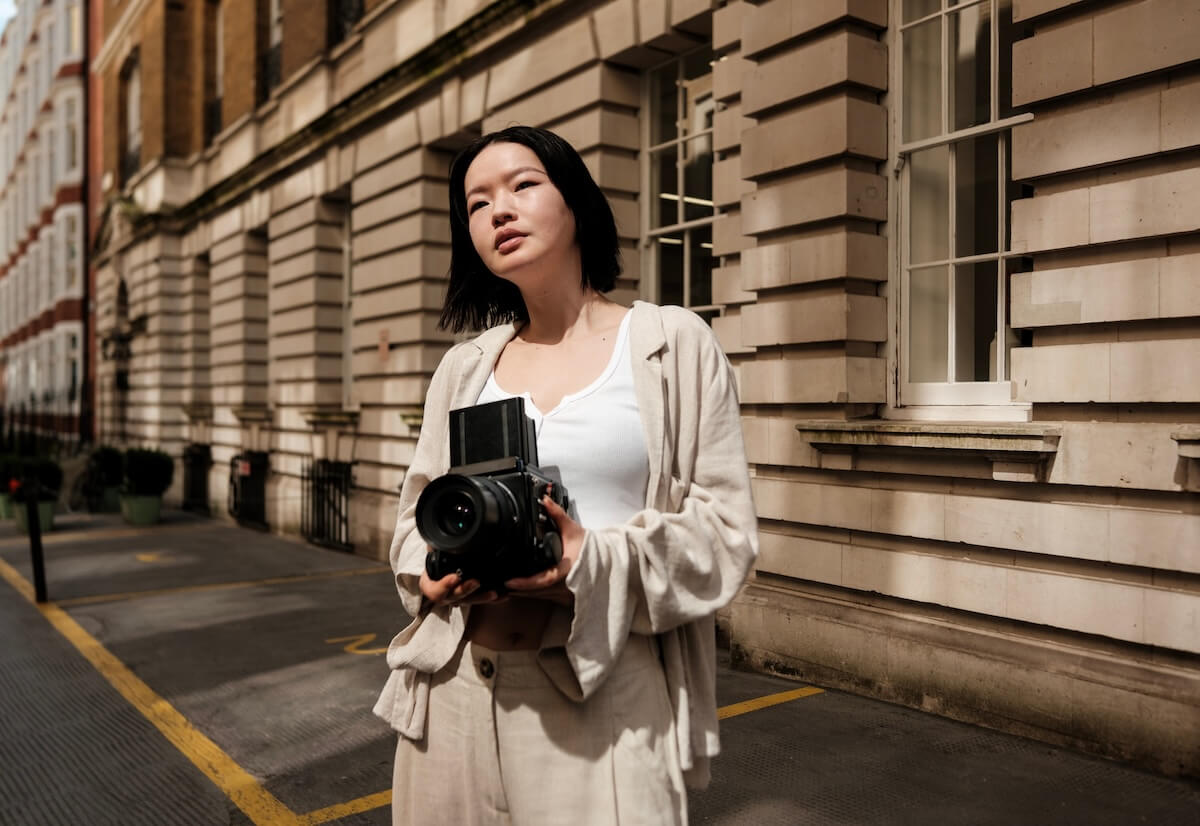
In modern times, people don’t always think of photography as an art form—especially because everyone has a camera on them at all times, in the shape of their phones. In reality, this just makes photography extremely accessible. To start taking it seriously, think about the images you snap in a more mindful way. Consider your subject matter, plus composition and lighting, and snap with intention before also using editing tools to adjust your shot to get it just right.
(via Shutterstock)
Cooking and Baking
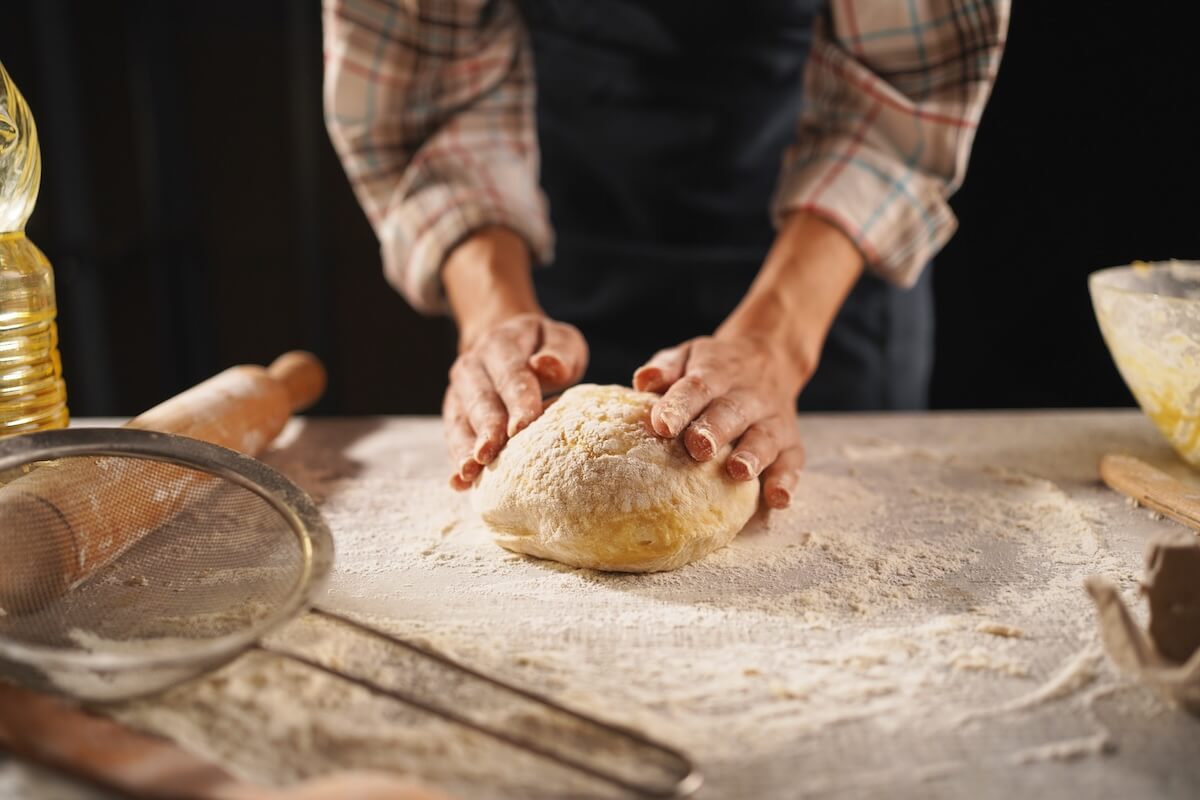
Cooking is an essential skill that everyone should take up if they can, but we also view it as an art form, as well as a science. Understanding how to cook different meals safely, while balancing their flavors and nutrition, will change your life. If you can turn raw ingredients into a tasty meal, you’ll get a lot better at taking care of yourself, and you’re likely to impress people in the process. If your food also looks like art, that’s just the cherry on top.
(via Shutterstock)
Want to explore different artistic options? Click HERE for our guide to the different types of drawing and painting media.