While sleep comes easily and instantly for many, we’ve never been so lucky. It can take us ages to fall asleep, and even once we do, the smallest disturbance can leave us wide awake, forcing us to start the process all over again.
This is called insomnia, and while there are healthy habits and sleep hygiene practices that can help, we’re not always the best at sticking to them. If you’re in a similar boat, we bet you’re probably guilty of the following insomniac habits.
Perfectionism
This may seem obvious, but insomniacs are often perfectionists and overthinkers. When they lay their heads down to sleep, rather than letting everything go and drifting off, they think. While they might reflect on the successes of the day, most often, their heads are instead filled with worries. They might wish they’d done something different, or start anticipating everything that must be done the following day, when there’s absolutely nothing they can do in the present moment to fix things. They want to get things just right, and in the process, they wind up losing plenty of sleep.

(via Shutterstock)
Ignoring Every Attempt at a Bedtime
We’re extra guilty of promising ourselves we’ll go to bed at a certain time, and then ignoring those promises completely. Maybe we’re scrolling through social media, finishing up an episode of TV or finishing up one last task in a game. If we say we’re going to bed at midnight at suddenly it’s 12:01, we missed the deadline, so we might as well keep going for another five minutes (or 30, or 60, depending on the situation).
Midnight Snacking
Late nights and boredom often go hand in hand, and when you’re bored, sometimes you can’t help but indulge in a little midnight snack. While it’s not the worst thing in the world, it can also be an unhealthy habit to get into. Our metabolisms slow down when we’re winding down at night, so we really feel them, and you might also find that digesting while you’re trying to sleep is uncomfortable and makes it even harder to nod off at night.
Also read about: The Hidden Meanings Behind 35 of the Most Common Dreams
Being on Your Phone Way Too Much
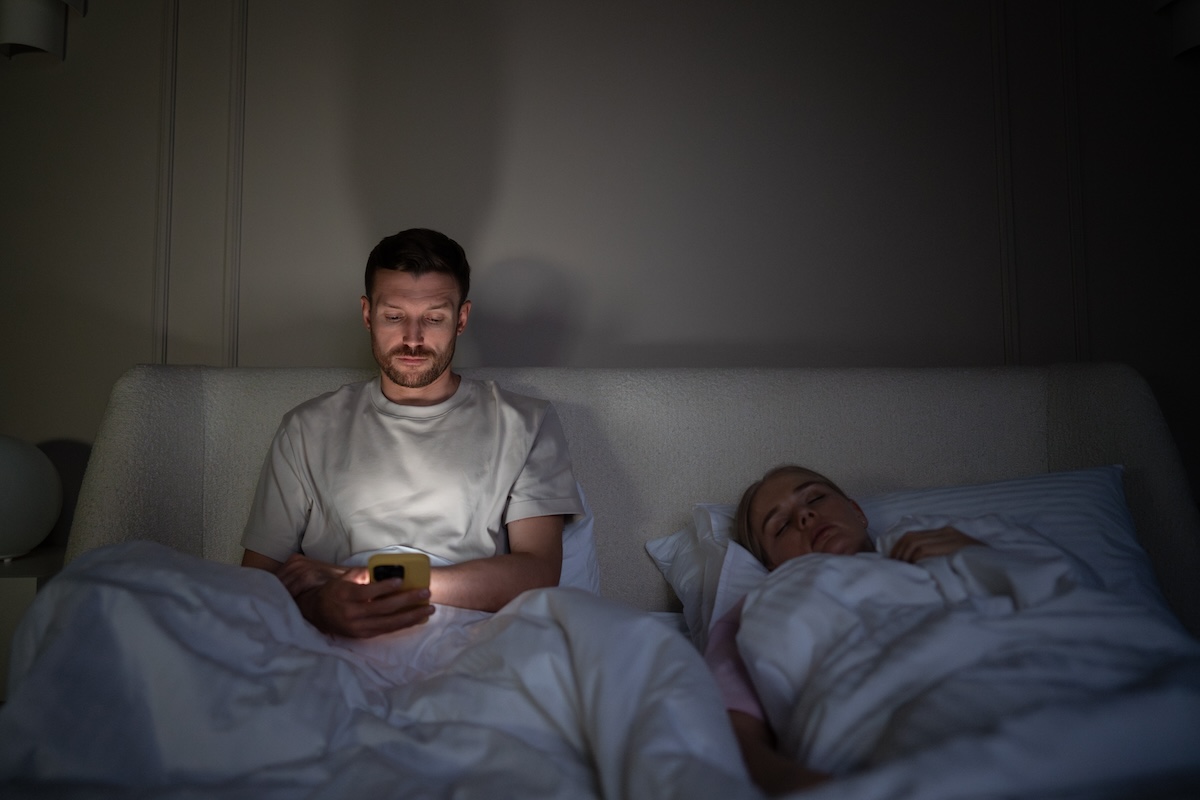
Past a certain time at night, our phones are basically insomnia boxes. Not only do they emit light (especially blue light), which essentially triggers our bodies to think that it’s daytime and that we should be awake, but they also give us infinite access to everything on the internet, so we have countless reasons to stay awake and not go to bed—even when we’re mindlessly scrolling and not even enjoying ourselves.
(via Shutterstock)
Getting Worked Up Before Bed
It’s hard to transition into a relaxed and sleepy state right after being worked up, which is pretty common in insomniacs. Maybe you just worked out or paused work on an intense project to try to go to sleep, or you’ve just watched a thrilling, frightening or emotional movie or TV show. Perhaps you were just playing a video game, or thinking about a stressful situation at work or with people you care about. None of these are the ideal conditions for going to bed and curating a nurturing, restful atmosphere for yourself.
Also read about: 10 Annoying Struggles You Probably Face Waking Up Early for School or Work
Spending Hours in Bed Not Sleeping
Some people only go to bed when they’re ready to fall asleep, creating the association between the comfort of the mattress and dozing off. If you’re the type of person who spends many of your waking hours in bed, the converse will also be true. You might sit in bed to watch TV, play games, scroll on your phone or even do work on a computer, so you’ve come to associate bed with productive wakefulness.
Daydreaming (When You Should Actually Be Dreaming)
Some people swear by daydreaming as a method for getting sleepy and going to bed, but the practice can take a different shape in the head of an insomniac. They might spend hours living out little scenes and playing out potential conversations, or imagining themselves in various scenarios and imagining how they’d react under various circumstances. Because their minds are so active, this typically keeps them wide awake rather than lulling them into sleep.
Losing Sleep by Calculating How Much Time You Have Left
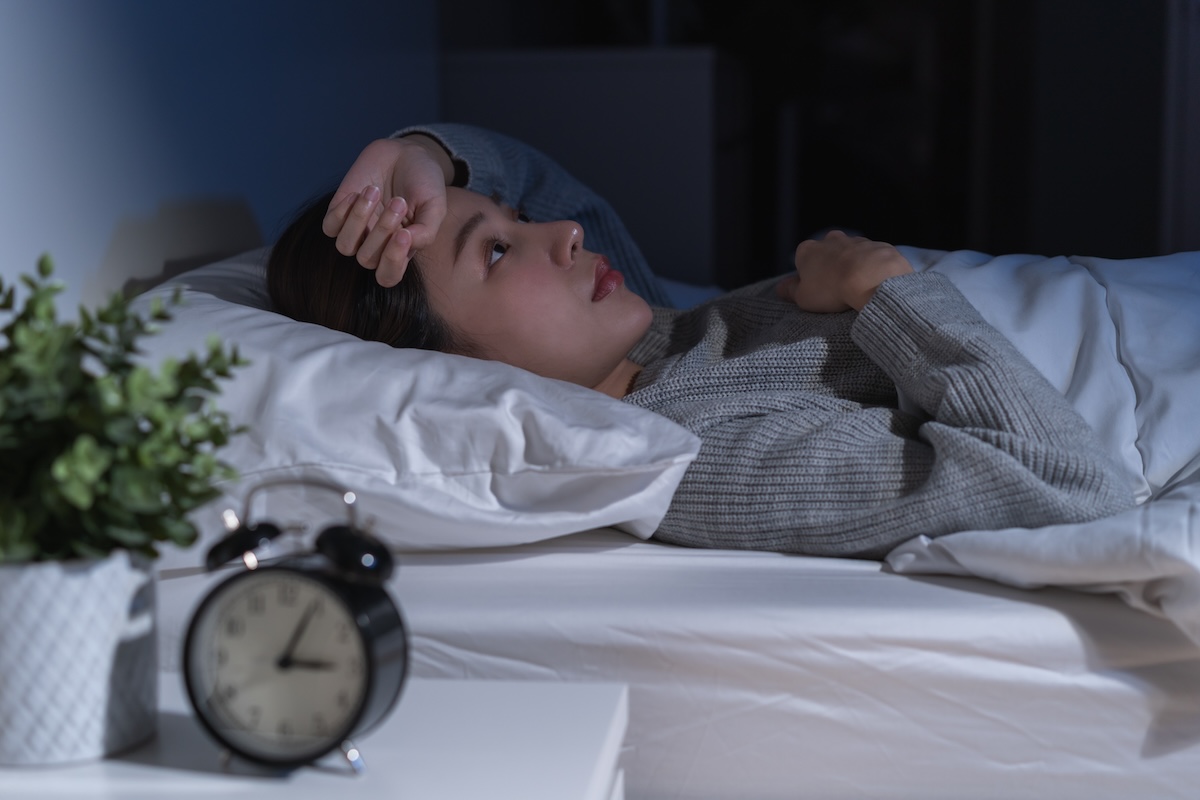
When we’re laying awake in bed at night, we know we shouldn’t check the clock and see how much time we have left, but we can rarely help it. Then starts the countdown. We might calculate that we have six hours left before we have to wake up, and fret over that not being enough time. That then makes us even more stressed and makes it even harder to fall asleep. Then it’s five hours left, and then four, and so on in the most vicious of cycles.
(via Shutterstock)
Insomniacs also tend to be night owls. We bet you’ll relate to THESE sleepless struggles.